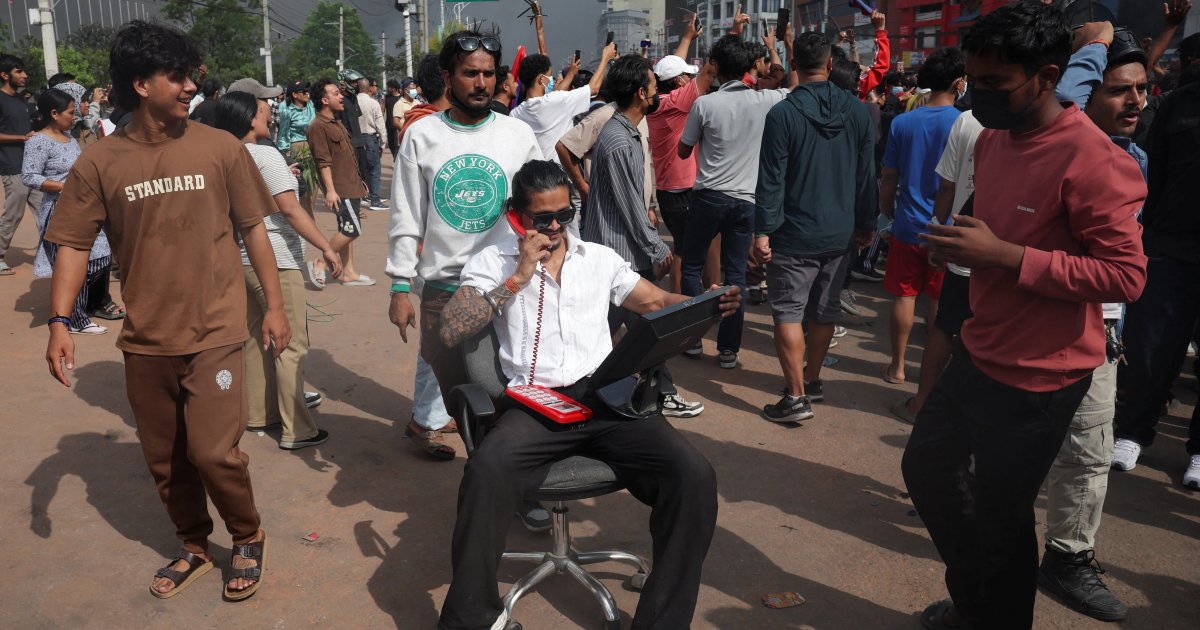
The Supreme Court of Nepal has ordered the government to provide justifications for the arrest of former Prime Minister K.P. Sharma Oli, who was detained due to allegations regarding his role in suppressing protests that led to his ousting. This decision follows massive demonstrations in the capital, Kathmandu, by Oli's supporters demanding his release, as they were prevented from approaching the old parliament building that was burned during the violent events in September 2025.
In the details of the incident, Oli, aged 74, and former Interior Minister Ram Bahadur Thapa were arrested during dawn raids on Saturday, just one day after Prime Minister Balendra Shah took the oath of office following the first elections since the unrest. The Supreme Court issued an order for the government to provide written justifications for Oli's arrest within three days, after his wife filed a petition asserting that the arrest was unlawful.
Details of the Incident
According to Arjun Prasad Koirala, spokesperson for the Supreme Court, the court has mandated the government to present the reasons for Oli's arrest. Oli and Thapa were detained after a commission of inquiry recommended their prosecution for failing to prevent security forces from firing on protesters. At least 76 people were killed during those events.
During the protests, around 300 demonstrators chanted for Oli's release and the annulment of the commission's report. Oli appeared in court via video link from the hospital, where an order was issued to extend his detention for five days. No formal charges have been filed against either of them, and both deny responsibility for the violence.
Background & Context
The roots of the unrest in Nepal trace back to September 2025, when protests erupted due to a temporary ban on social media, igniting public anger over difficult economic conditions. The protests quickly spread across the country, leading to the burning of the parliament and government offices, resulting in the collapse of Oli's government.
These events are part of Nepal's modern history, which has seen numerous political upheavals since the end of the civil war in 2006. Political and economic crises have affected the country's stability, leading to increasing discontent among citizens.
Impact & Consequences
These events could escalate political tensions in Nepal, as Oli's supporters demand his release and view his arrest as part of a political vendetta. This could contribute to further division among the country's political parties, potentially hindering reform and development efforts.
The continuation of protests may also affect security stability in Nepal, possibly leading to an increase in street violence. It is crucial for the government to handle these protests wisely to avoid exacerbating the situation.
Regional Significance
The events in Nepal serve as an example of how political crises can impact social and economic stability, which may resonate in Arab countries facing similar challenges. Understanding how governments manage popular protests can provide valuable lessons for Arab nations dealing with internal crises.
In conclusion, the situation in Nepal remains under close observation, as upcoming developments may lead to significant changes in the political landscape of the country, raising questions about the future of democracy and stability in the region.