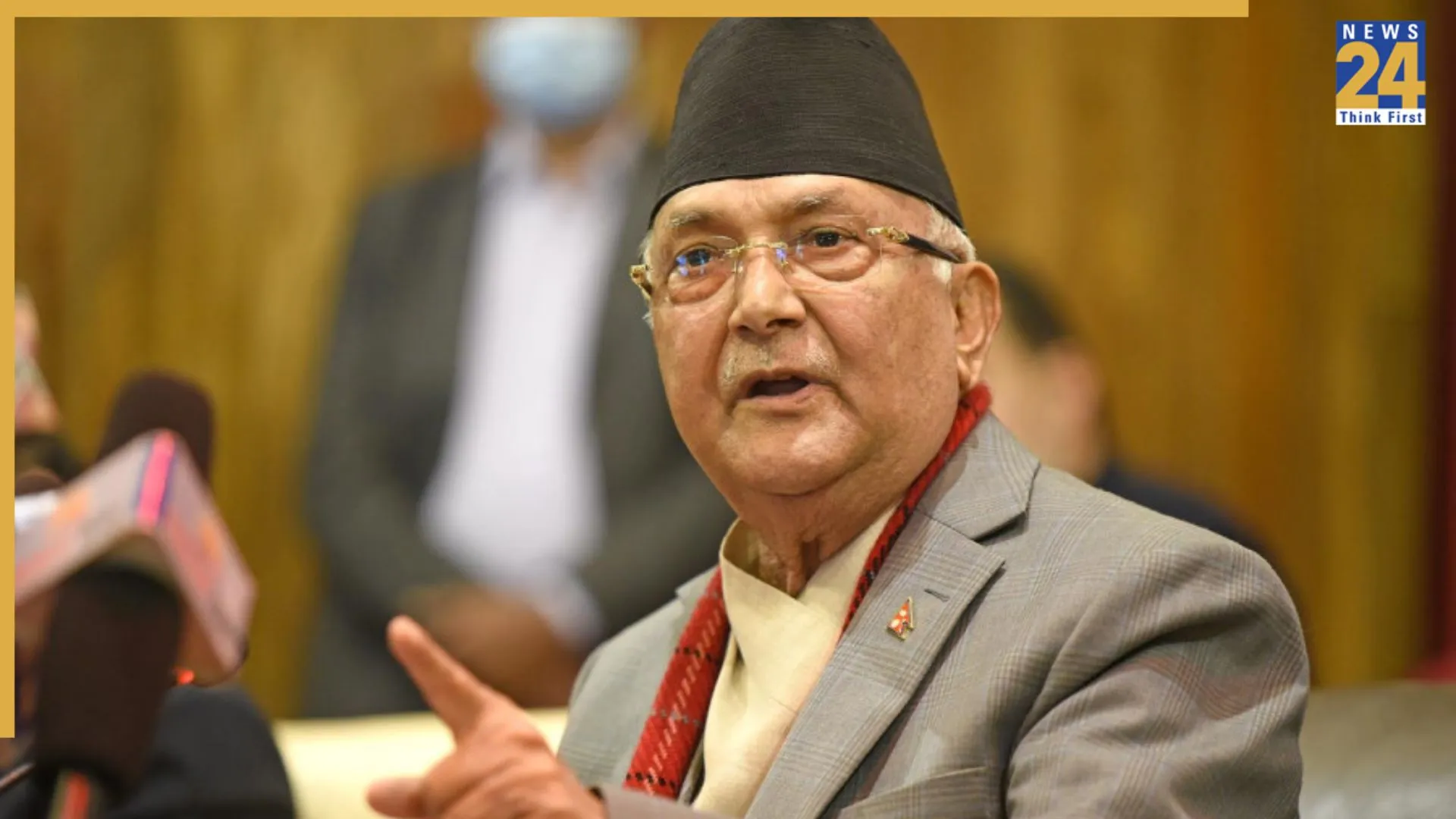
Nepalese authorities arrested former Prime Minister K P Sharma Oli and former Interior Minister Ramesh Lekhak on Saturday morning due to their alleged involvement in suppressing protests that resulted in the deaths of dozens in September 2025. Om Adhikari, a spokesperson for the Kathmandu Valley Police, confirmed that "legal proceedings will continue according to the law."
These arrests come just one day after Balendra Shah took the oath of office as Prime Minister, with his new government formed following elections that occurred after a popular uprising that led to the ousting of Oli's government. The protests, which erupted due to a temporary ban on social media, resulted in at least 77 deaths, sparking widespread public outrage.
Details of the Protests
Nepal witnessed massive protests in September 2025, with thousands taking to the streets to demand political and economic reforms. The protests began after a ban on social media was imposed, triggering pent-up anger over difficult economic conditions. On the first day of the protests, 19 young people were killed in a violent crackdown by security forces, leading to escalating violence and the spread of protests across the country.
These events led to the burning of parliamentary buildings and government offices, resulting in the collapse of the previous government. The government issued a state-backed report recommending the prosecution of Oli and several other officials, stating that "the failure to take any action to stop the violence resulted in the loss of lives, including minors."
Background & Context
Nepal's political history is filled with tensions and conflicts, having experienced numerous uprisings and revolutions over the decades. In 2025, Nepal faced a crippling political and economic crisis, which led to the outbreak of protests. Oli, who served as Prime Minister twice, faced widespread criticism for his handling of the economic crisis and the deteriorating living conditions.
The recent protests were an expression of deep public discontent, with crowds demanding radical reforms in the political system and improvements in economic conditions. The events demonstrated that public anger can lead to significant changes in the political landscape.
Impact & Consequences
The arrests of Oli and Lekhak are seen as an important step towards achieving justice and may reflect the new government's desire to address issues of corruption and past abuses. The new Interior Minister Sudan Gurung stated on Instagram that "no one is above the law," emphasizing that this move is not revenge but the beginning of justice.
These events are expected to impact political stability in Nepal, potentially inciting further protests from Oli's supporters, which may escalate tensions in the country. Additionally, these arrests may open the door for further investigations into corruption and past abuses.
Regional Significance
The events in Nepal serve as an example of how popular protests can influence political systems, which may resonate in Arab countries that have witnessed similar protests in recent years. The Nepalese experiences may offer lessons on the importance of responding to public demands and avoiding violent repression.
In light of the volatile political situations in some Arab countries, these events could motivate further grassroots movements advocating for rights and freedoms. Understanding the dynamics of protests in Nepal can assist in analyzing situations in the Arab region.