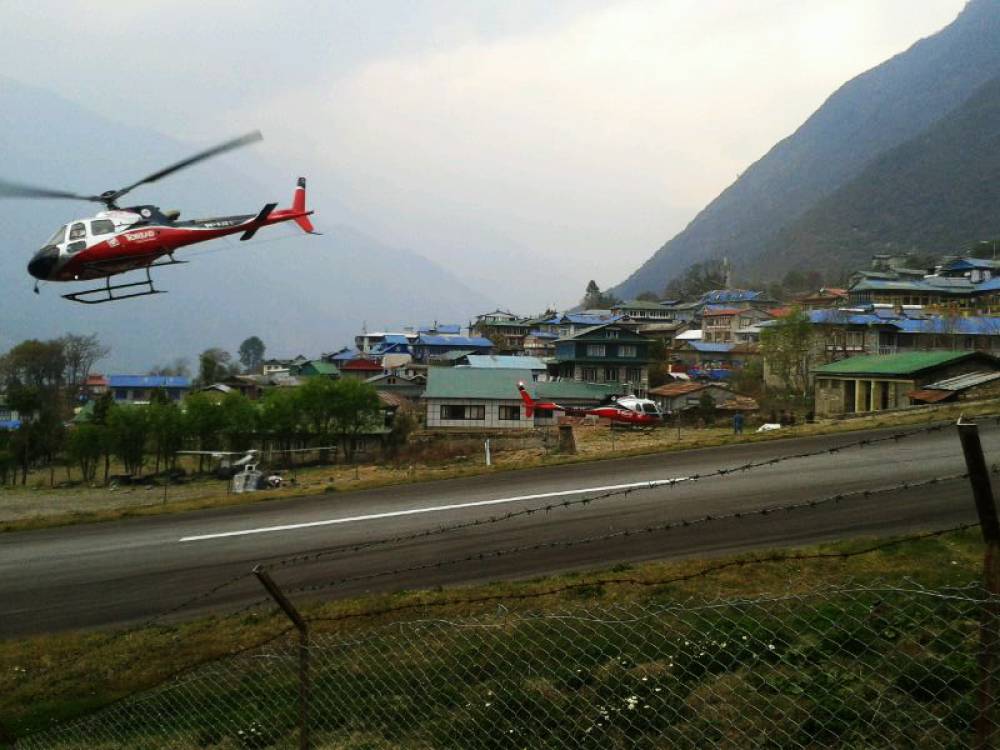
The Nepali government has taken strict measures to combat fraud related to hiking rescues, revealing a fraudulent network aimed at obtaining insurance reimbursements through unnecessary rescue operations. This announcement comes at a critical time for Nepal's tourism industry, which is one of the country's most important sources of income.
Nepal, home to eight of the ten highest mountains in the world, including Mount Everest, attracts thousands of hikers each year, many of whom trek at high altitudes where helicopter rescues can be extremely costly. However, police reported that some companies have organized fraudulent evacuations for years, resulting in charges against 32 individuals after an investigation into a fraud scheme valued at $19.69 million.
Details of the Incident
Jay Narayan Acharya, spokesperson for the Ministry of Culture, Tourism, and Civil Aviation, stated that the government is taking several steps to ensure investigations are conducted and immediate action is taken against any fraudulent practices. He emphasized that tourism is an important industry, and corrective measures must be implemented against any wrongdoing.
According to investigations, the fraud involved submitting multiple insurance claims for the same rescue operation, meaning private airlines received payments multiple times for the same unnecessary flight. Reports indicated that some hikers were deliberately exposed to illnesses by providing contaminated meals or adding sodium bicarbonate to justify the need for helicopter evacuations.
Background & Context
In 2018, the government identified 15 companies involved in similar fraudulent activities, but no action was taken, allowing them to continue despite new guidelines issued after warnings from insurance companies. This investigation comes ahead of Nepal's lucrative climbing and trekking season, where climbers can pay tens of thousands of dollars, relying on their guides to lead them to extremely dangerous peaks, where altitude-related illnesses can be fatal.
Despite this, police confirmed that there is no evidence suggesting the involvement of Everest guides in these fraudulent operations. The Nepal Mountaineering Association also confirmed that there are no documented cases of food poisoning or overdoses of Diamox (used to treat altitude sickness) among climbers in Nepal.
Impact & Consequences
These events highlight the need for enhanced oversight of Nepal's tourism industry, as any leniency in addressing fraud could lead to a deterioration of the country's reputation as a tourist destination. Implementing a zero-tolerance policy for fraud, including investigations and the publication of the names of those involved, is a positive step towards protecting tourism.
The government aims to form a task force that includes police, tourism boards, and aviation officials to enhance oversight and conduct regular audits, in addition to ensuring that guides and trekking agencies are licensed. These measures may help restore tourists' confidence in Nepal.
Regional Significance
Nepal is a favored tourist destination for many Arab tourists seeking to explore its towering mountains and rich culture. Strengthening oversight of the tourism industry in Nepal may positively reflect on Arab tourists, increasing their confidence in traveling there.
In conclusion, these measures represent an important step towards protecting tourism in Nepal, reflecting the government's commitment to combating fraud and ensuring the safety of hikers.