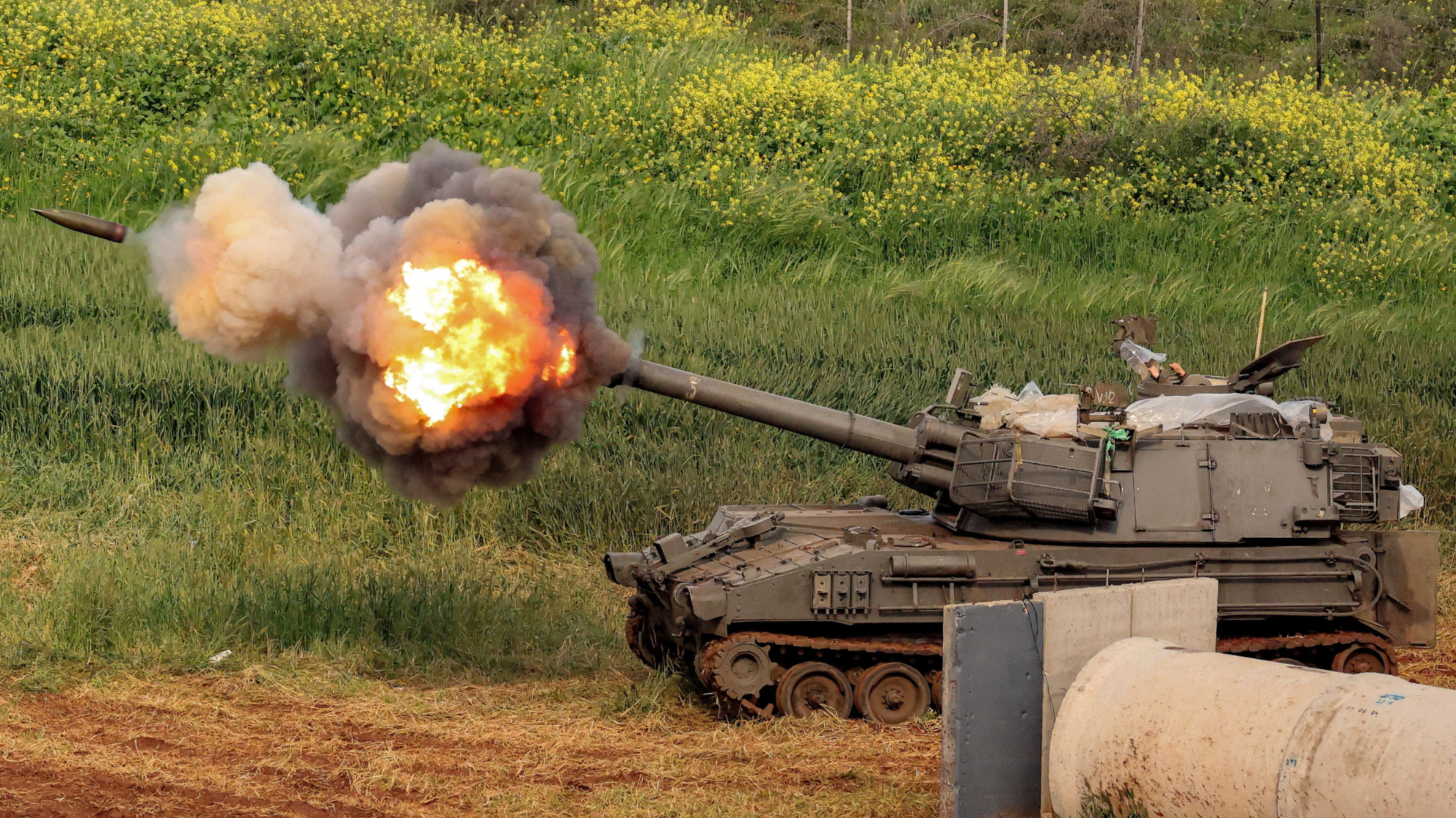
Israeli Prime Minister Benjamin Netanyahu has unveiled plans to annex more Lebanese territory and expand what is known as the 'buffer zone' in the south. This announcement came during a video statement on Sunday, where he emphasized that this step aims to 'thwart invasion threats' from Hezbollah and push anti-tank rocket fire away from northern Israel.
During his visit to the northern command, Netanyahu pointed out that Israel is determined to 'radically change the situation in the north,' asserting that his country will act 'with strength, resolve, and responsibility' to restore security. He also added that Israel seeks to 'change the face of the Middle East,' referencing attacks in Syria, the Gaza Strip, and Lebanon, alongside the ongoing war against Iran in cooperation with the United States.
Details of the Announcement
Despite highlighting recent military achievements, Netanyahu warned that Hezbollah still possesses the capability to carry out further attacks. His remarks come at a time when Israel is indicating plans for a broader ground assault in Lebanon, particularly south of the Litani River, which is located about 30 kilometers north of the border and serves as a key junction for the rest of the country.
Reports indicate that Israeli strikes in Lebanon since the beginning of March have resulted in the deaths of over 1,200 people, including more than 100 children, as well as over 50 paramedics and medical staff, according to the Lebanese Ministry of Health. Additionally, at least 3,500 others have been injured.
Background & Context
Historically, relations between Israel and Lebanon have been marked by ongoing tensions, especially since the 2006 war that resulted in widespread devastation. Since then, Israel has continued to conduct military operations in Lebanon, targeting Hezbollah, which it views as a major threat to its security. In recent years, these operations have escalated, leading to increased violence in the region.
The 'buffer zone' that Israel seeks to expand is part of its military strategy aimed at reducing the risk of attacks by armed groups. However, these steps raise concerns among the international community and exacerbate the suffering of civilians in Lebanon, who are already enduring a severe humanitarian crisis.
Impact & Consequences
Netanyahu's statements represent a new escalation in the Israeli-Lebanese conflict, which could worsen the security situation in the region. The expansion of occupied territory may provoke strong reactions from Hezbollah, which may feel compelled to respond to these moves.
Furthermore, the continued military pressure on Lebanon could exacerbate humanitarian conditions, with reports indicating that over 1.2 million people have been displaced, including approximately 136,000 in shelters. The healthcare infrastructure has also been severely impacted, with many health centers and hospitals closing.
Regional Significance
The ramifications of this escalation extend beyond Lebanese borders, affecting regional stability. The ongoing conflict between Israel and Hezbollah could lead to a greater escalation in hostilities, threatening security in neighboring countries such as Syria and Palestine. Additionally, Israeli actions may impact relations with other Arab nations that are striving for peace and stability in the region.
In conclusion, the situation in Lebanon appears to be heading toward further complexity, with military and political tensions on the rise. The need for a peaceful and comprehensive solution remains more urgent than ever, given the deteriorating humanitarian conditions.