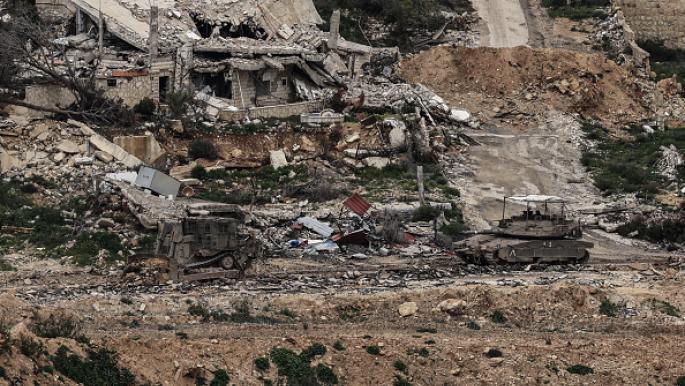
In a provocative move, Israeli Prime Minister Benjamin Netanyahu urged the military to adopt an offensive strategy focused on destroying homes in Southern Lebanon instead of raiding them, aiming to reduce casualties among troops. This call comes amid escalating tensions in the region, where military operations between Israeli forces and armed groups in Lebanon are on the rise. Netanyahu's remarks have raised concerns about a larger escalation in the conflict, especially given the dire humanitarian conditions faced by civilians in the affected areas.
During the cabinet meeting held on Tuesday, Netanyahu emphasized the necessity of changing the Israeli military strategy in Lebanon, suggesting that the destruction of homes could be an effective means to minimize risks to Israeli soldiers. He clarified that this approach might help achieve military objectives without incurring significant human losses.
Details of the Event
These statements come at a sensitive time, as pressure mounts on the Israeli government from various political and military circles demanding more aggressive actions against threats posed by armed groups in Lebanon, such as Hezbollah. It appears that Netanyahu is seeking to bolster his internal position by taking a tougher stance in dealing with these threats.
Historically, relations between Israel and Lebanon have been marked by ongoing tensions, particularly since the Lebanese Civil War in the 1970s and 1980s, which led to multiple Israeli military interventions. The conflict with Hezbollah, which emerged in the early 1990s, has further complicated the security situation in the region.
Background & Context
In recent years, clashes between Israeli forces and armed groups in Lebanon have intensified, leading to heightened tensions. The border between the two countries has witnessed several military operations, raising international concerns about the potential outbreak of a full-scale war in the region.
Adopting such an offensive strategy could significantly escalate the conflict, threatening the stability of the entire region. Additionally, the destruction of homes may exacerbate the humanitarian situation in Southern Lebanon, where many civilians live under difficult conditions.
Impact & Consequences
This move is also seen as a test of international responses, as Israel may face severe criticism from humanitarian organizations and countries advocating for the protection of civilians in armed conflicts. Moreover, military escalation could have negative repercussions on Israel's relations with the international community, especially amid increasing pressures to resolve the conflict peacefully.
The ramifications of these statements extend beyond Lebanese borders, potentially affecting conditions in neighboring countries like Syria and Palestine. An escalation of the conflict in Lebanon could lead to increased tensions in the West Bank and Gaza Strip, threatening regional security.
Regional Significance
These events may also evoke memories of past wars in the region, heightening concerns among Arab nations about the possibility of new conflicts erupting. Such conditions may necessitate urgent diplomatic actions from Arab states and the international community to mitigate escalation and ensure the protection of civilians.
In conclusion, the situation in Lebanon remains under scrutiny, as all eyes are on how events will unfold in light of this new strategy proposed by Netanyahu and the potential implications for security and stability in the region.