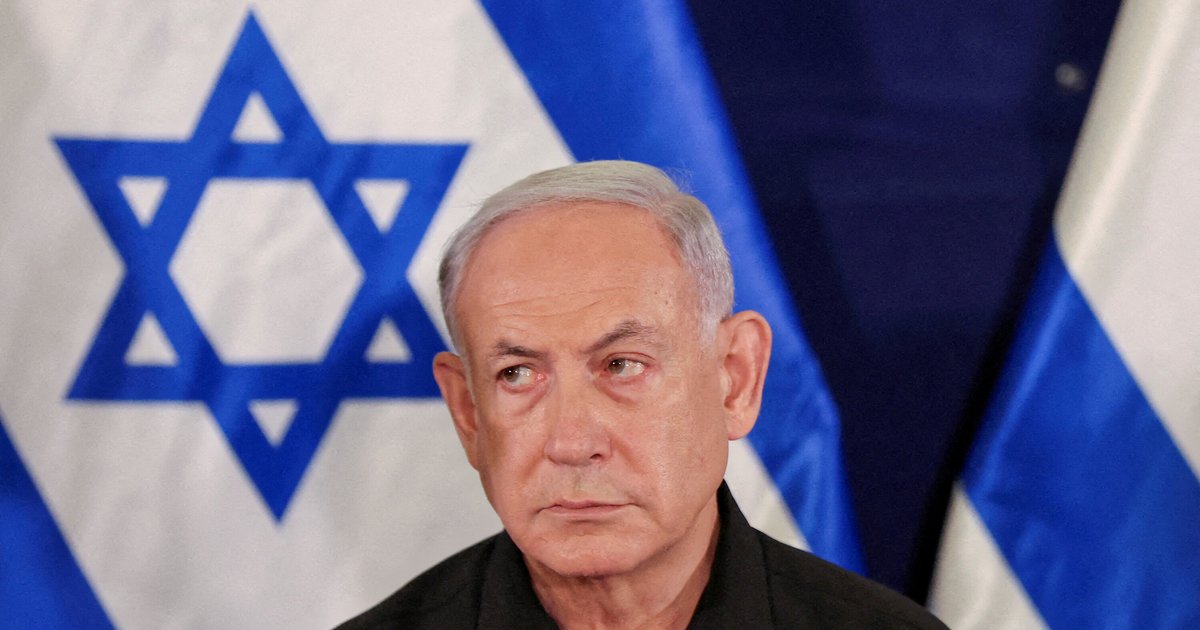
Israeli Prime Minister Benjamin Netanyahu has announced directives to expand the security buffer zone in southern Lebanon, indicating that this step is part of enhancing Israeli national security. This decision reflects the rising tensions in the region, as fears of a potential military escalation between Israel and Hezbollah have increased.
These statements come at a time when the Lebanese-Israeli border is experiencing ongoing tension, with both sides exchanging accusations of sovereignty violations and hostile actions. Netanyahu emphasized that expanding the buffer zone will have a direct impact on protecting Israeli civilians and will enhance the Israeli army's ability to respond to any potential threats.
Details of the Announcement
In a discussion during a meeting with Israeli military leaders, Netanyahu clarified that the decision includes increasing the number of military forces in the buffer zone, in addition to strengthening defensive systems. He also noted that the Israeli government will provide the necessary resources to ensure the effective implementation of this decision.
Netanyahu confirmed that this step is not merely a military measure but is part of a comprehensive strategy aimed at enhancing security in northern Israel. He pointed out that the government will continue to closely monitor the situation in the region and will take further actions if necessary.
Background & Context
Historically, the border between Lebanon and Israel has witnessed ongoing tensions, especially since the 2006 war between Israel and Hezbollah. Since then, a buffer zone has been established to reduce friction between the two parties, but recent events indicate that the situation may be heading towards further escalation.
In recent years, Hezbollah's military activities along the border have increased, prompting Israel to take precautionary measures. The area has witnessed several incidents, including exchanges of gunfire, raising concerns about the outbreak of a wider conflict.
Impact & Consequences
The expansion of the buffer zone may lead to heightened tensions between Israel and Hezbollah, which could negatively impact stability in the region. Additionally, these measures may increase pressure on the Lebanese government, which is already facing significant economic and political challenges.
Moreover, these developments could affect relations between Israel and Arab countries, especially amid the normalization attempts that have taken place in the region in recent years. Escalation could undermine these efforts and deepen divisions in the region.
Regional Significance
This step serves as a wake-up call for Arab countries, reflecting the rising military tensions in the Middle East. These developments may lead neighboring countries to reassess their national security strategies, particularly those sharing borders with Israel or affected by regional conflicts.
At the same time, these events could increase popular support for resistance movements in the region, complicating peace and stability efforts. It is crucial for Arab countries to closely monitor the situation and take proactive steps to avoid any escalation that could affect their security and stability.
In conclusion, the expansion of the security buffer zone in southern Lebanon is a step that reflects the increasing tensions in the region and may have far-reaching implications for regional security. The current situation requires all parties involved to work towards calming the situation and avoiding any potential military escalation.