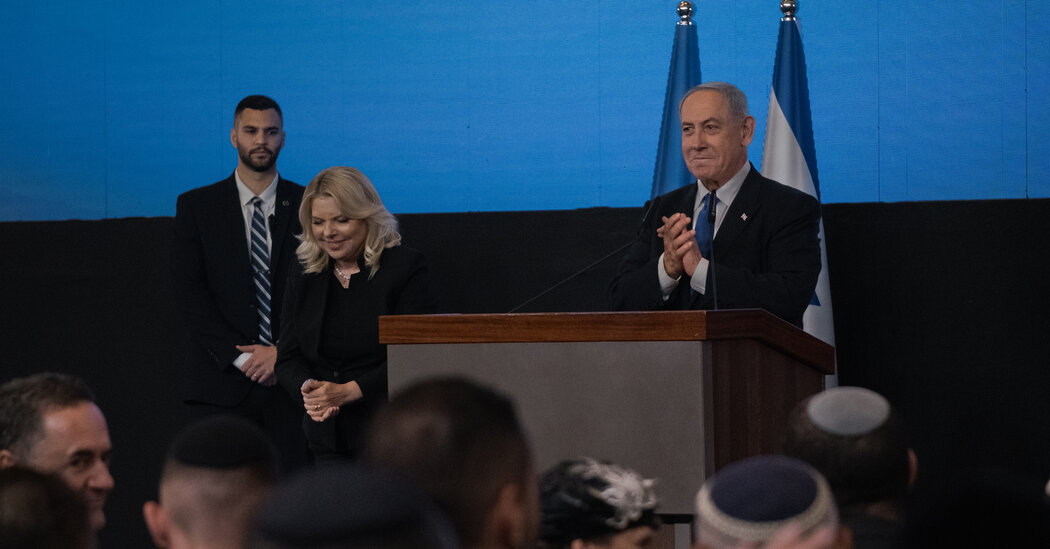
Israeli Prime Minister Benjamin Netanyahu is navigating a complex electoral landscape, facing mounting challenges as the election date approaches. Reports indicate that the far-right may turn against him, threatening his hold on power.
Political pressures on Netanyahu are escalating, particularly following a series of internal and external crises that have impacted his popularity. The Prime Minister is receiving growing criticism from his allies on the right, who feel that his policies have not achieved the desired goals.
Event Details
Polls show that Netanyahu may lose some support from his traditional electoral base. These challenges come at a sensitive time as Netanyahu seeks to strengthen his position before the upcoming elections. Some reports have indicated that there are divisions within the right-wing coalition, complicating the situation further.
The Israeli right, which includes a range of extremist parties, is a crucial part of the governing coalition led by Netanyahu. However, increasing pressures from within this coalition could lead to radical changes in the Israeli political landscape.
Background & Context
Historically, Netanyahu has faced similar challenges in the past, with attempts by right-wing parties to distance themselves from him. Nevertheless, his ability to adapt to these changes has always given him an advantage. However, the current situation appears more complex, with rising fears of losing control over the government.
These challenges coincide with escalating tensions in the region, increasing the pressure on Netanyahu to take decisive actions. In recent years, Israel has witnessed significant changes in both domestic and foreign policies, affecting the stability of the government.
Impact & Consequences
If the situation continues as it is, it could lead to significant changes in Israeli politics. The upcoming elections may result in the formation of a new government, altering the direction of Israeli policy towards the Palestinians and the region as a whole.
Some analyses predict that Netanyahu's failure to maintain support from the right could empower opposition forces, potentially changing the dynamics of governance in Israel. This shift could also impact Israeli relations with Arab countries, especially amid ongoing regional tensions.
Regional Significance
The political developments in Israel are of great importance to Arab countries, as they affect bilateral relations and regional cooperation. Should there be changes in the Israeli government, policies regarding peace and cooperation with Arab nations may also shift.
The current situation in Israel serves as a true test of Israeli policy towards the Palestinians and may have far-reaching implications for security and stability in the region.
It remains to be seen how events will unfold in the coming days and whether Netanyahu will be able to overcome these challenges.