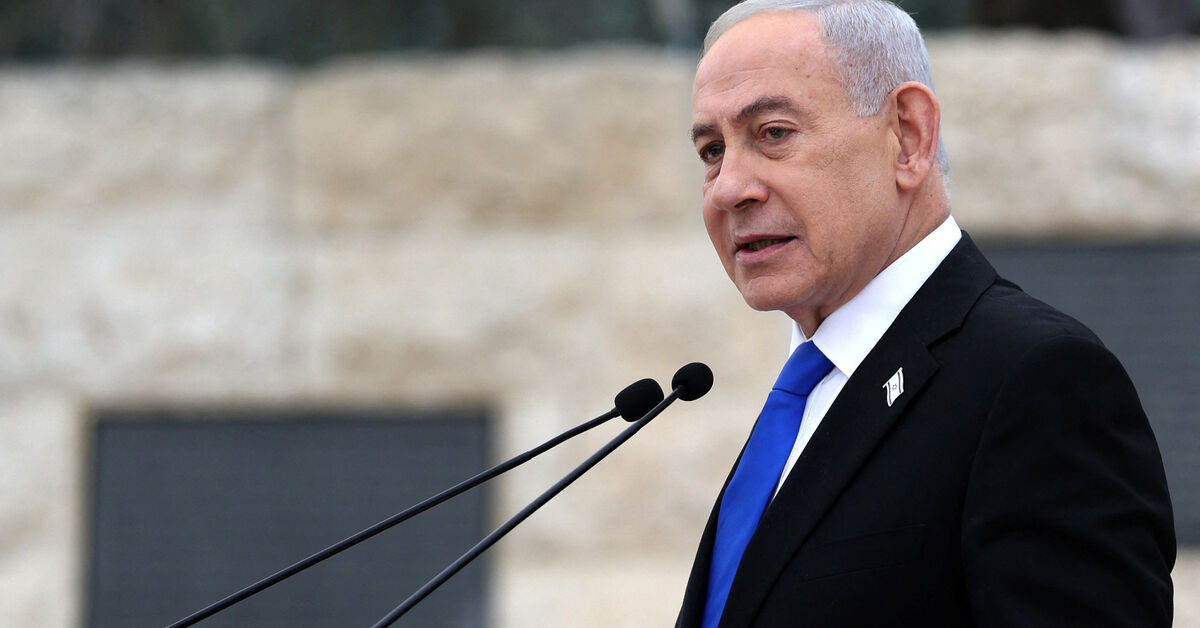
In an interview with CBS's "60 Minutes," Israeli Prime Minister Benjamin Netanyahu expressed his desire to completely eliminate dependence on American military support within the next decade. He confirmed that this goal aligns with enhancing relations with Gulf countries, as he seeks to build new strategic partnerships.
Netanyahu stated, "I want to achieve a reduction of American financial support to zero, which is the financial part of the military cooperation we have." These remarks represent a bold step by the Israeli government, which currently relies on approximately 3.8 billion dollars in annual American military aid.
Details of the Plan
Netanyahu's statements come at a sensitive time, as the world faces increasing security challenges. He noted that the United States has agreed to provide 38 billion dollars in military aid to Israel from 2018 to 2028. However, it appears that the Israeli government is looking to reduce this dependence in the long term.
This move is part of a broader strategy aimed at strengthening relations with Gulf countries, which could open new avenues for regional cooperation. Some Gulf nations, such as the UAE and Bahrain, have shown willingness to collaborate with Israel in various fields, including security and economics.
Background & Context
Historically, relations between Israel and the United States have been strong, with military aid being a fundamental aspect of this relationship. However, geopolitical changes in the region, including normalization agreements with certain Arab nations, may contribute to reshaping these dynamics.
In recent years, the region has witnessed significant changes, as Arab countries seek to enhance their relations with Israel in the face of shared challenges, such as Iranian threats. These new dynamics could influence how Israel perceives its role in the region.
Impact & Consequences
If Israel succeeds in reducing its reliance on American support, it could lead to a radical shift in its military and political strategy. This independence might strengthen its position in negotiations with Arab nations, granting it greater freedom in making strategic decisions.
However, this approach may face significant challenges, including the need to develop local military capabilities and bolster defense industries. Additionally, relations with the United States will remain crucial and could be adversely affected if financial support is reduced.
Regional Significance
This initiative is significant as it reflects a transformation in Israeli military strategy and an enhancement of regional relations, which could impact political balances in the area.
As Israel navigates this new path, the implications of its military independence could resonate beyond its borders, potentially reshaping alliances and power dynamics in the Middle East.