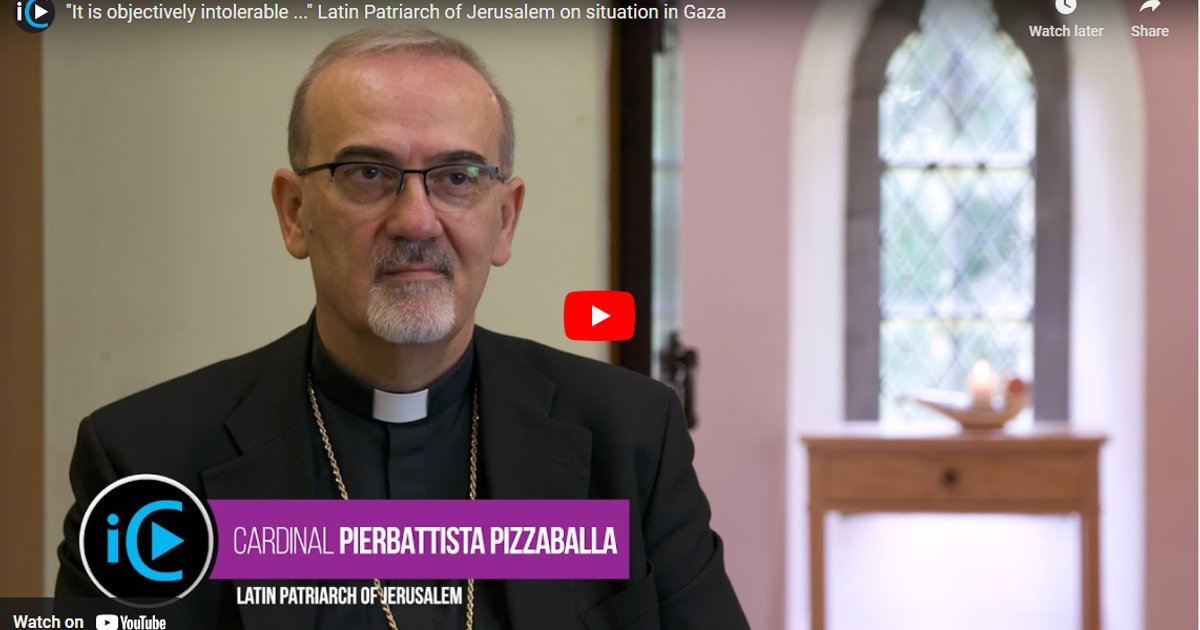
In a move that has sparked widespread controversy, Israeli Prime Minister Benjamin Netanyahu announced that he has instructed authorities to allow Cardinal Pizzaballa of Jerusalem to enter the Holy Sepulchre. This decision came after police prevented the cardinal from entering the church, leading to sharp criticism from various religious and political circles.
This decision is seen as a positive step in the context of relations between the Israeli government and the Catholic Church, yet it comes at a sensitive time as tensions in the region are on the rise. Cardinal Pizzaballa is the chief representative of the Catholic Church in the Holy Land and has played a prominent role in promoting interfaith dialogue in the region.
Details of the Incident
The events surrounding the barring of Cardinal Pizzaballa date back to last Sunday, when he intended to visit the Holy Sepulchre, one of the holiest sites in Christianity. However, Israeli police intervened and prevented him from entering, which sparked widespread discontent among the faithful. Following pressure and criticism, Netanyahu decided to allow him entry, reflecting the significance of this religious site for Christians worldwide.
This decision was not merely an administrative measure; it carries deep implications regarding religious freedom and the current situation in the Holy Land. Recently, there has been an escalation in tensions among various religious sects, making this step particularly significant.
Background & Context
Historically, the Holy Sepulchre has been a center of Christian worship since the 4th century AD and has witnessed numerous historical events that have shaped interfaith relations in the region. In recent years, tensions between Muslims and Christians in Jerusalem have increased, leading to recurring conflicts over access rights to religious sites.
The church is considered a symbol of unity among Christian denominations, but it also represents a point of contention between Israelis and Palestinians. In this context, Netanyahu's decision comes as a step towards easing tensions, yet it remains surrounded by doubts regarding the government's seriousness in promoting freedom of worship.
Impact & Consequences
This decision could have positive effects on the relationship between the Catholic Church and the Israeli government, as it may help improve Israel's image in the international community. It could also enhance interfaith dialogue and ease tensions in the region.
However, the question remains whether this step is sufficient to address the deeper issues related to the religious and political rights of Palestinians. Many see these measures as not addressing the real roots of the conflict but rather as mere painkillers.
Regional Significance
This event holds particular significance for the Arab region, where many countries are suffering from religious and political conflicts. Allowing the cardinal to enter the Holy Sepulchre may contribute to enhancing interfaith dialogue in other countries and gives hope to believers that peaceful coexistence is possible.
This step could also serve as a model for other areas experiencing religious tensions, reflecting the importance of dialogue and understanding among different sects.
In conclusion, this decision is an important step in the context of relations between the Catholic Church and the Israeli government, but it still requires further efforts to ensure freedom of worship for all religions in the Holy Land.