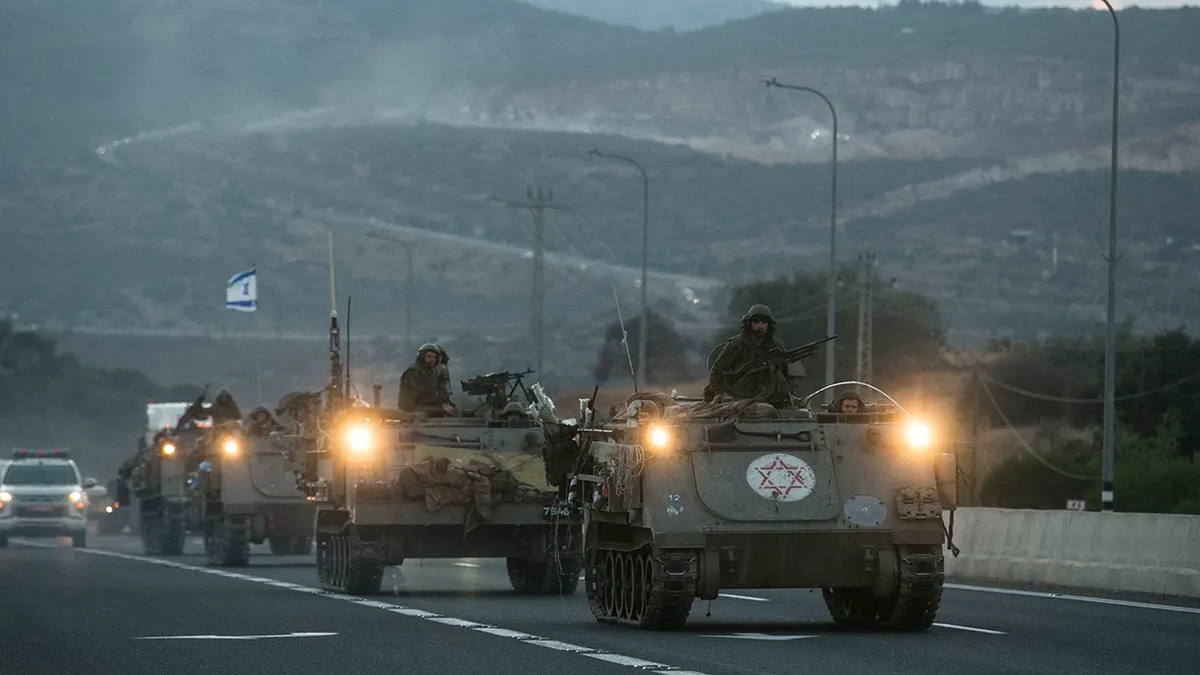
Israeli Prime Minister Benjamin Netanyahu has ordered the Israeli military to expand the 'buffer zone' along the border with Lebanon, a move that reflects an escalation of Israeli military operations in the region. This decision comes at a time when Israeli attacks in southern Lebanon continue, increasing tensions between the two sides.
This step is part of a broader Israeli strategy aimed at enhancing national security in the face of potential threats from Hezbollah, which the Israeli occupation considers one of the most significant security challenges in the region. Netanyahu indicated that expanding the buffer zone would help protect Israeli borders from any potential attacks.
Details of the Event
In his recent statements, Netanyahu confirmed that the Israeli military will work to strengthen its military presence in border areas, focusing on expanding the buffer zone that separates Lebanon from Israel. This decision comes at a time when the Lebanese-Israeli border is witnessing a notable escalation, with increased exchanges of fire between Israeli forces and Hezbollah.
The Israeli military operations in southern Lebanon include airstrikes and artillery shelling, resulting in the destruction of several military sites belonging to Hezbollah. Reports have also indicated that there are intensive military movements on the ground, suggesting Israeli preparations to confront any potential escalation from the Lebanese side.
Background & Context
Historically, the Lebanese-Israeli border has experienced ongoing tensions, especially since the 2006 Lebanon War. This war led to significant changes in the military and political dynamics in the region. Since then, Hezbollah has sought to enhance its military capabilities, prompting Israel to adopt stricter security measures along the border.
The buffer zone that Israel seeks to expand is part of a broader strategy aimed at preventing any infiltration or attacks by armed groups. This issue has raised concerns within the international community, with many countries calling for restraint and avoidance of military escalation in the region.
Impact & Consequences
Expanding the buffer zone could lead to increased tensions between Israel and Hezbollah, potentially opening the door for further military escalation. Additionally, this move may impact the humanitarian situation in Lebanon, where residents are already suffering from the effects of the ongoing conflict.
Moreover, the escalation of military operations could lead to international interventions, as major powers are closely monitoring the situation. These developments may affect relations between Arab countries and Israel, especially in light of the normalization attempts occurring in the region.
Regional Significance
The recent developments in Lebanon are part of a complex regional landscape where political and military interests intersect. The escalation of tensions between Israel and Hezbollah could impact the stability of neighboring countries, such as Syria and Palestine, further complicating the situation in the region.
At the same time, these events reflect the security challenges faced by Arab countries amid ongoing conflicts. The situation in Lebanon underscores the need for comprehensive political solutions that ensure security and stability in the region.