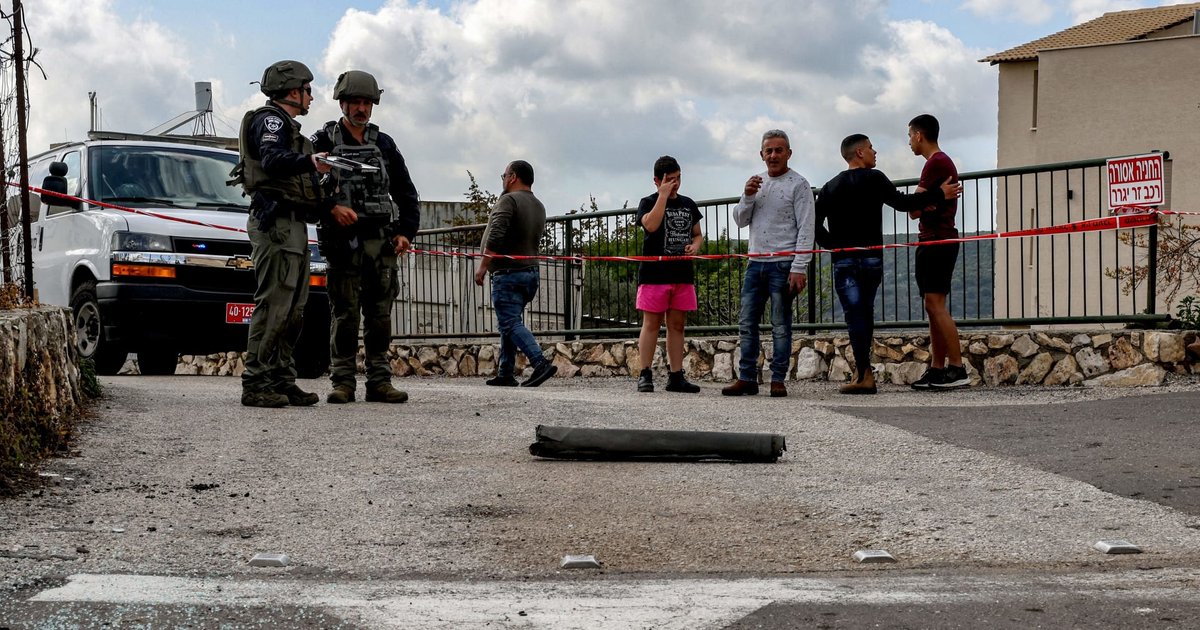
Israeli Prime Minister Benjamin Netanyahu affirmed that his government will do everything necessary to prevent settlers from leaving northern Israel. These statements come at a time when the region is witnessing an escalation in security tensions, raising fears about the implications for stability in the occupied areas.
In remarks made during a government meeting, Netanyahu pointed out that the government is committed to protecting settlers and ensuring their safety, emphasizing the importance of strengthening the Israeli presence in those areas. He also confirmed that any attempt by settlers to leave will be met with strict measures.
Details of the Incident
These statements come at a sensitive time, as Israel's northern borders are experiencing increasing tensions, particularly with the rise in military activities by Hezbollah in Lebanon. Security reports have noted an uptick in mutual targeting between Israeli forces and armed groups in Lebanon, heightening concerns among settlers in the north.
Netanyahu, who is facing increasing internal pressures, aims through these statements to bolster his political standing among his voters, especially amid criticisms of his government regarding security in border areas. He indicated that the government will work to enhance military and security capabilities in those regions to ensure the safety of settlers.
Background & Context
Historically, northern Israel has experienced recurring tensions, especially with the presence of Hezbollah at the border. Since the Second Lebanon War in 2006, there have been ongoing attempts by Israel to strengthen its military presence in the north in an effort to deter any potential attacks.
In recent years, concerns have grown over the escalation of military activities by Hezbollah, particularly after it was supplied with advanced weaponry. These conditions have contributed to increased Israeli investments in bolstering security infrastructure in border areas.
Impact & Consequences
Netanyahu's statements underscore the continuation of the Israeli government's policy to enhance settlement in disputed areas, which could exacerbate security conditions in the region. This policy may provoke strong reactions from Palestinians and the international community, complicating peace efforts.
These statements are expected to increase tensions between Israel and Hezbollah, as the latter may seek to respond to any actions taken by the Israeli government against settlers. Furthermore, these conditions could affect Israel's relations with neighboring countries, particularly Lebanon.
Regional Significance
These statements serve as an indicator of the ongoing Israeli-Palestinian conflict and its impact on regional security. While some Arab countries are seeking to normalize relations with Israel, the rising tensions in the north may hinder these efforts.
Moreover, these events could lead to increased popular support for armed groups in the region, reflecting a state of instability that may affect overall regional security. Under these circumstances, the situation in northern Israel remains under scrutiny, with expectations that tensions will continue to escalate.
In conclusion, Netanyahu's statements reflect the Israeli government's policy in dealing with security conditions in the north, further complicating the security and political landscape in the region.