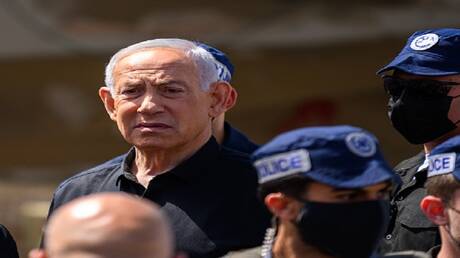
Israeli Prime Minister Benjamin Netanyahu has proposed a new plan aimed at reducing dependence on the Strait of Hormuz by establishing an energy corridor linking Saudi Arabia to the Mediterranean Sea. This initiative seeks to mitigate Iranian threats in the region. Netanyahu emphasized that this proposal is part of Israel's efforts to enhance its energy security and reduce risks associated with reliance on traditional transport routes that pass through tense areas.
During a press conference, Netanyahu explained that the Strait of Hormuz is a geographic choke point through which a significant percentage of global oil supplies pass. He noted that this new corridor would contribute to ensuring a more secure and stable flow of energy, thereby enhancing the ability of producing countries to export their resources.
Event Details
This proposal comes at a time when the world is witnessing increasing tensions in the Middle East, with growing concerns over escalating Iranian activities in the region. Netanyahu pointed out that this new corridor would rely on cooperation among Arab countries, particularly Saudi Arabia, in the energy sector, reflecting strategic shifts in regional relations.
Netanyahu also confirmed that Israel is prepared to provide the necessary technical and technological support to ensure the success of this project, which aims to enhance regional cooperation in the energy field. This proposal is considered part of a broader vision for Israel to strengthen its role as a regional energy hub.
Background & Context
Historically, the Strait of Hormuz is one of the most important maritime passages in the world, through which approximately 20% of global oil supplies transit. The region has experienced numerous political and military crises, making it a sensitive point in global politics.
In recent years, tensions have escalated between Iran and Western countries, affecting the stability of the region. These tensions have led to increasing calls for alternatives to the Strait of Hormuz, which Netanyahu seeks to achieve through his new proposal.
Impact & Consequences
If this proposal is implemented, it could lead to significant changes in the global energy map. It would allow oil-producing countries to reduce their dependence on traditional maritime routes, potentially contributing to a decrease in regional tensions.
This project could also enhance Arab-Israeli cooperation in energy sectors, potentially opening new avenues for relations between Arab states and Israel. However, the question remains about the project's ability to overcome political and security challenges in the region.
Regional Significance
This proposal represents a potential turning point in Arab-Israeli relations, as it could contribute to enhancing economic cooperation between Arab countries and Israel. This may lead to improved economic conditions in the region through increased investments in energy and infrastructure projects.
However, this proposal must be approached with caution, as there are many political and security factors that could affect its success. Additionally, reactions from Iran and other countries in the region will play a crucial role in determining the future of this project.
In conclusion, Netanyahu's proposal for establishing a new energy corridor is an intriguing step that reflects ongoing changes in the Middle East and opens the floor for further discussion about the future of energy in the region.