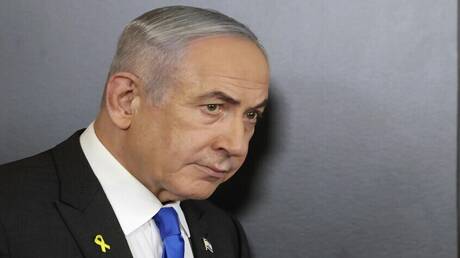
Israeli Prime Minister Benjamin Netanyahu emphasized the significant gap between the Israeli and Iranian situations, stating, "They are at the bottom, and we are at the top." These remarks followed US President Donald Trump's announcement of the commencement of negotiations to halt the war with Iran, a move that could affect the security landscape in the region.
Netanyahu pointed out that the Iranian threats remain persistent despite the announced talks, stressing the need for a firm stance against Tehran. Tensions between the two countries have escalated in recent years, with Israel viewing Iran as a primary adversary seeking to enhance its influence in the region.
Details of the Event
During the press conference held by Netanyahu, the Israeli Prime Minister expressed his concerns regarding the consequences of Trump's negotiations with Iran. He stated, "Negotiations will not stop Tehran's hostile activities; they may even enhance them." Netanyahu's remarks coincide with escalating tensions in the Middle East, highlighting Iran's growing role in regional affairs.
Many observers and political analysts expressed surprise at the timing of these statements, especially given the significant shifts in the region and the US preparations to return to the nuclear deal with Iran. This topic remains a continuous source of concern for Israel, which seeks to maintain its military superiority in the region.
Background & Context
The relationship between the United States and Iran represents a highly complex dimension that has become increasingly complicated over time. These conflicts have emerged in recent years, particularly after the US withdrawal from the Iranian nuclear agreement in 2018. International pressures on Iran have led to a deterioration of the economic and social situation in the country.
At the same time, Israel is a strategic ally of the United States and heavily relies on its support in facing the increasing threats from Iran. Iran's involvement in Syrian affairs and its support for Hamas and Hezbollah in Lebanon are among the primary issues that concern Netanyahu and his government.
Impact & Consequences
These statements could exacerbate tensions between the two countries and may affect the ongoing negotiations between Trump and Iran. The warnings issued by Netanyahu also reflect his fears that these talks could lead to concessions to Tehran that may threaten Israel's security.
Moreover, the continued mutual animosity between the two nations could result in the dismantling of regional relations and fuel conflicts in the area. The outcomes of these negotiations may also impact traditional alliances, leading to a reconfiguration of the power landscape in the Middle East.
Regional Significance
The Israeli opposition to the negotiations may cast a shadow over political decisions in Arab countries, some of which are seeking to strengthen ties with Tehran. This state of strategic divisions could lead to varied reactions from Arab governments towards the negotiations.
At the same time, warnings are increasing that potential agreements could bolster Iran's position in the region, making Arab nations more concerned about its growing influence. Current political trends indicate that Arab countries need to accelerate their plans to enhance defensive capabilities and reinforce calls for coordination among themselves to confront these threats.
In conclusion, Netanyahu's statements reflect a very complex picture that combines Israeli fears of Iranian behavior with the political challenges facing the United States. It remains to be seen how Trump's negotiations with Iran will unfold and whether they will rise to the level of the increasing challenges in the region.