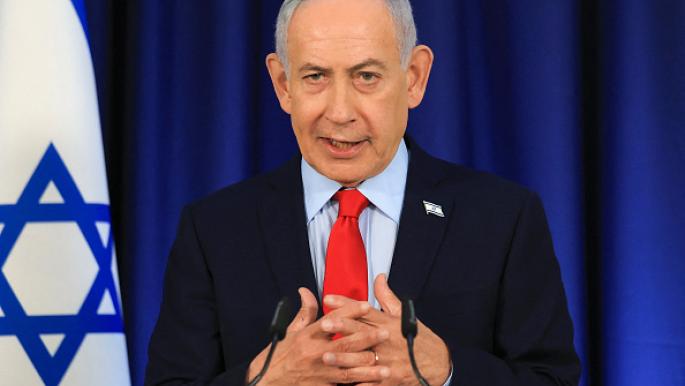
Israeli Prime Minister Benjamin Netanyahu threatened today, Friday, to expand the 'buffer zone' in southern Lebanon, indicating that this expansion is part of targeting Hezbollah, which he considers a threat to Israeli security. These statements come at a time when tensions between the two sides are escalating, increasing concerns about the stability of the region.
These threats come amid escalating clashes between Israeli forces and Hezbollah, as the border between Lebanon and Israel has witnessed increasing tensions in recent months. Netanyahu affirmed that his government would take all necessary measures to protect Israel's security, including expanding the buffer zone that separates the two sides.
Details of the Event
During his statements, Netanyahu pointed out that Hezbollah poses a serious threat, and that Israel must enhance its military presence in the region to ensure the safety of its citizens. He explained that any escalation from Hezbollah would be met with a strong response from the Israeli army. He also called on the international community to support Israel in its efforts to protect its borders.
The proposed plans include expanding the buffer zone to include new areas, which could lead to increased tensions in the region. Some analysts have expressed concern that these steps could lead to a larger military escalation between the two sides, which could negatively impact civilians in both Lebanon and Israel.
Background & Context
Historically, the Lebanese-Israeli border has seen ongoing tensions, with several wars and conflicts between the two sides, most notably the war in 2006. Since then, Israel has attempted to maintain a buffer zone to reduce the risk of attacks from Hezbollah, which many consider a terrorist organization. However, the security situation in the region remains fragile, with threats increasing from both sides.
In recent years, Hezbollah's military activities have increased, including targeting Israeli sites across the border. In response, Israel has conducted airstrikes on Hezbollah positions in Syria, further complicating the security situation in the region.
Impact & Consequences
The Israeli threats to expand the buffer zone could lead to a potential military escalation, which may affect regional security. In the event of escalation, civilians in both countries would be the most affected, as military operations could lead to mass displacement and an increase in casualties.
Moreover, the rising tensions between Israel and Hezbollah could impact relations between Lebanon and other Arab countries, as some nations may find themselves compelled to side with one side, increasing divisions in the region.
Regional Significance
The tensions between Israel and Hezbollah are part of a broader conflict in the Middle East, where regional and international powers play a significant role in shaping the course of events. Any escalation in this conflict could affect security and stability in neighboring countries, including Syria and Palestine.
Additionally, the Israeli statements may provoke reactions from other armed groups in the region, potentially complicating the security situation further. In this context, Arab countries should closely monitor the situation and work to promote dialogue to avoid further escalation.
In conclusion, the situation along the Lebanese-Israeli border remains tense, with the possibility of military escalation looming. The international community must urgently intervene to alleviate tensions and ensure the safety of civilians in the region.