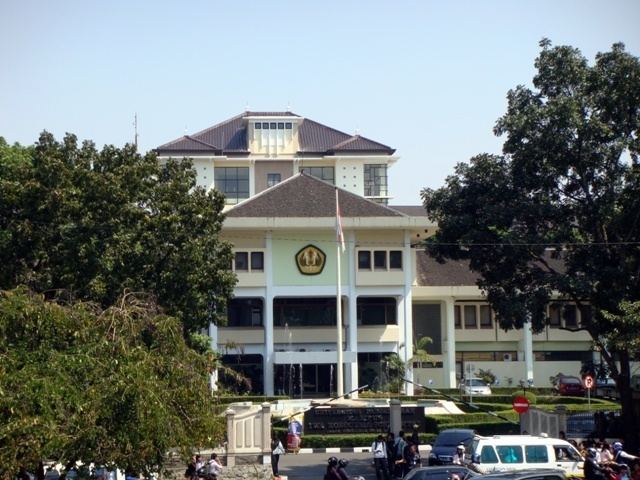
In a move aimed at improving mobility within the campus, the University of Padjadjaran (Unpad) has partnered with e-transport drivers (ojol) to establish an agreement that permits them to access the university grounds via Gate D. This agreement was signed in Sumedang, West Java, in response to the needs of students and staff.
Edward Henry, the Director of Asset and Facilities Management at the university, stated that the agreement allows e-transport drivers, whether on motorcycles or in cars, to enter the campus using a free electronic card valid for 15 minutes. They are required to exit through Gate C, located near Bali Welsa 1.
Details of the Agreement
The terms of the agreement include a commitment from e-transport drivers to adhere to traffic rules and the university's internal regulations, focusing on maintaining order and safety on campus. Edward emphasized that any actions that could disrupt academic or non-academic activities would be unacceptable.
He also noted that the agreement will be evaluated three months after its signing, allowing the university to review the policy should any issues arise regarding order within the campus.
Background & Context
The University of Padjadjaran is considered one of the leading educational institutions in Indonesia, attracting numerous students from various regions. With the increasing reliance on e-transport services, it has become essential to establish a system that facilitates the movement of students and staff within the campus.
It is worth mentioning that e-transport has become an integral part of many people's lives in Indonesia, providing a convenient and quick means of transportation. However, organizing these services within the campus poses a challenge that requires a balance between convenience and safety.
Impact & Consequences
This agreement is expected to enhance the experience of students and staff within the campus, improving mobility efficiency and helping to reduce congestion. Additionally, this step may inspire other educational institutions in Indonesia to adopt similar models.
It is also crucial for e-transport drivers to remain committed to the rules, as any violations could negatively impact the university's reputation and disrupt academic life.
Regional Significance
While the news focuses on an Indonesian experience, the Arab world can benefit from this model. With the increasing use of e-transport services in major cities, it may be beneficial for Arab universities to consider how to organize these services in a way that ensures the safety of students and the comfort of all.
In conclusion, this agreement represents a positive step towards improving logistical services at universities and reflects the importance of collaboration between educational institutions and e-transport drivers.