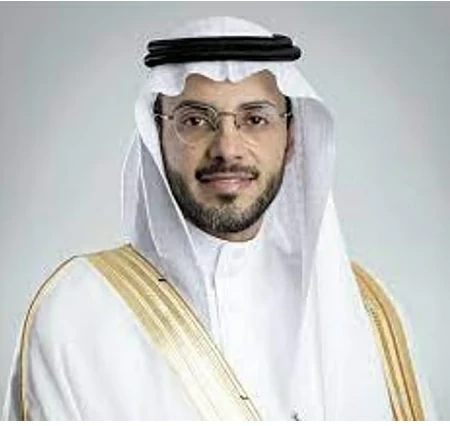
Salah Al-Rashid, the CEO of the Royal Commission for Makkah City and the Holy Sites, revealed the completion of in-depth studies aimed at implementing a new airport in Makkah, which will meet international standards. Al-Rashid confirmed that this project will not affect the economic viability of existing airports in neighboring cities, noting that the strategic and economic directions for investing in the airport have been approved.
In an interview with Harvard Business Review, Al-Rashid pointed out that the airport represents one of the prominent efforts of the commission to contribute to achieving the goals of Vision 2030. He explained that the commission will work in collaboration with the private sector to develop the most suitable model for this investment, reflecting the trend towards enhancing public-private partnerships in major projects.
Details of the Event
Transport and infrastructure projects are considered essential elements of Vision 2030, which aims to transform Saudi Arabia into a global destination. By establishing a new airport in Makkah, the Royal Commission seeks to enhance the experience of visitors and pilgrims, contributing to the promotion of religious tourism and the local economy.
In addition to the airport project, Al-Rashid added that the commission has also completed feasibility studies and preliminary designs for the Makkah Metro project. These studies have been submitted to the relevant authorities to complete the necessary procedures in preparation for launching the project in its upcoming phases. The metro is expected to improve transportation within the city and enhance Makkah's capacity to accommodate the increasing number of visitors.
Background & Context
Makkah is one of the most important Islamic cities, attracting millions of visitors annually for Hajj and Umrah rituals. With the rising number of visitors, there is an urgent need to develop infrastructure to ensure the provision of distinguished services. In recent years, the Kingdom has witnessed massive investments in transport and transportation projects, including airport development and the expansion of public transport networks.
These projects are part of ongoing efforts to improve the quality of life in Saudi cities and enhance the national economy by providing new job opportunities and stimulating investment. Furthermore, infrastructure development contributes to achieving sustainable development goals.
Impact & Consequences
The new projects are expected to enhance Makkah's position as a global center for religious tourism. The establishment of a new airport and metro will improve the visitor experience, reflecting the Kingdom's commitment to providing high-quality services. Additionally, these projects will create new job opportunities, contributing to reducing unemployment rates in the region.
Moreover, these projects will enhance Makkah's capacity to accommodate the increasing number of visitors, which will contribute to increasing tourism revenues. Improving transportation will also reduce traffic congestion, contributing to better air quality and living conditions in the city.
Regional Significance
Transport and infrastructure projects in Makkah serve as a model for other Arab countries. These projects reflect the trend towards improving public services and enhancing cooperation between the public and private sectors. The success of these projects may encourage other countries in the region to invest in similar projects to enhance their infrastructure.
In light of the economic challenges facing many Arab countries, investment in infrastructure can be an effective solution to stimulate economic growth and provide job opportunities. Therefore, Makkah's projects could be a starting point for further development in the region.
In conclusion, the Makkah airport and metro projects represent an important step towards achieving Vision 2030, as the Kingdom seeks to enhance its position as a global destination for religious tourism. These projects not only enhance the visitor experience but also contribute to improving the local economy and providing job opportunities, making them a focal point for other Arab countries.