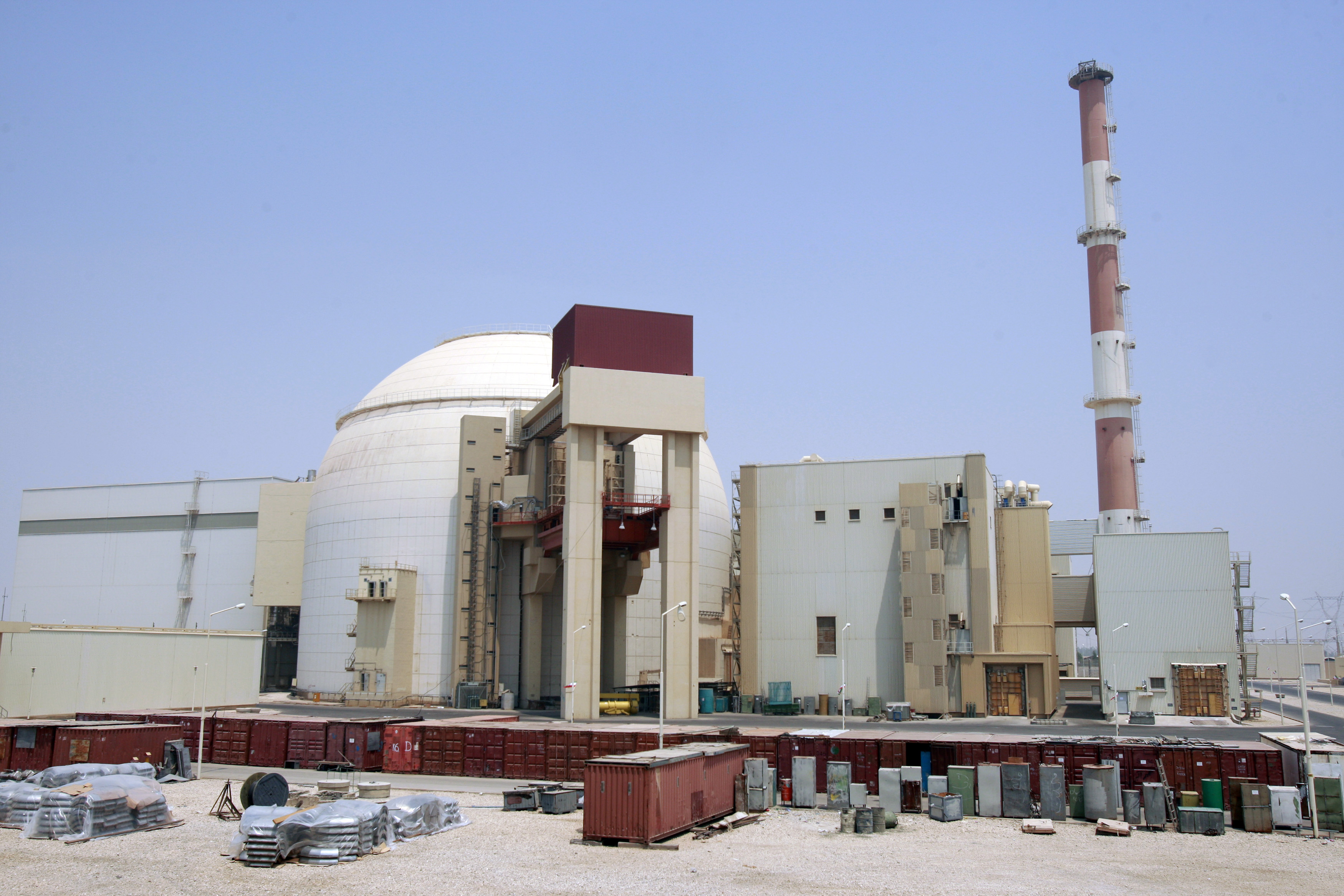
Iran's nuclear facilities have come under renewed attack, with the Iranian Atomic Energy Organization reporting that a projectile struck the vicinity of the Bushehr nuclear plant last Friday evening, fortunately causing no damage. This incident marks the twenty-eighth day of the U.S.-Israeli war against Iran, further escalating regional tensions.
The organization warned that any damage to the Bushehr plant could lead to a serious nuclear incident, emphasizing that the facility is operational and contains significant quantities of radioactive materials. They asserted that targeting Iran's peaceful nuclear facilities poses grave risks to the security and safety of the region.
Details of the Incident
In a related development, the International Atomic Energy Agency (IAEA) confirmed it received notification from Iran regarding the new strike, which is the third in ten days. The attacks also targeted a heavy water plant in the Arak complex, known as Khondab following the nuclear agreement, where the agency confirmed there was no radiological danger.
Additionally, the strikes targeted a steel production facility that uses radioactive materials, as well as the Ardakan facility that produces uranium concentrates. The Israeli military confirmed its targeting of two sites linked to nuclear energy in central Iran, namely the Arak reactor and a uranium processing plant in Yazd province.
Context and Background
These developments come at a sensitive time as the United States and Israel accuse Iran of seeking to develop a nuclear weapons program, while Tehran insists that its nuclear program is solely for civilian purposes. Since February 28, Iran has faced continuous airstrikes from the U.S. and Israel, escalating the military situation in the region.
In the aftermath of the attacks, the Iranian Revolutionary Guard urged workers at industrial sites linked to the U.S. to evacuate, and called on civilians in the Middle East to stay away from areas where U.S. forces are deployed. Iranian Foreign Minister Abbas Araghchi condemned the attacks, stating they contradict the extended diplomatic deadline announced by Washington.
Impact and Consequences
These attacks indicate a serious escalation in the conflict between Iran and Israel, with increasing fears of a potential nuclear incident that could impact regional and international security. Continued bombardment may provoke military responses from Iran, further heightening tensions in the area.
These events coincide with diplomatic efforts to reach an agreement to end the conflict, as former U.S. President Donald Trump announced three diplomatic deadlines for Iran to reach an agreement before its energy facilities were bombed. However, military escalation could undermine these efforts.
Impact on the Arab Region
These developments directly affect the situation in the Arab region, where many countries are suffering from the repercussions of the Iranian-Israeli conflict. Concerns about potential radioactive leaks could impact neighboring countries, necessitating urgent action from the international community to safeguard regional security.
In conclusion, the situation in Iran remains a focal point of global concern, with rising fears of military escalation that could lead to serious consequences for international peace and security.