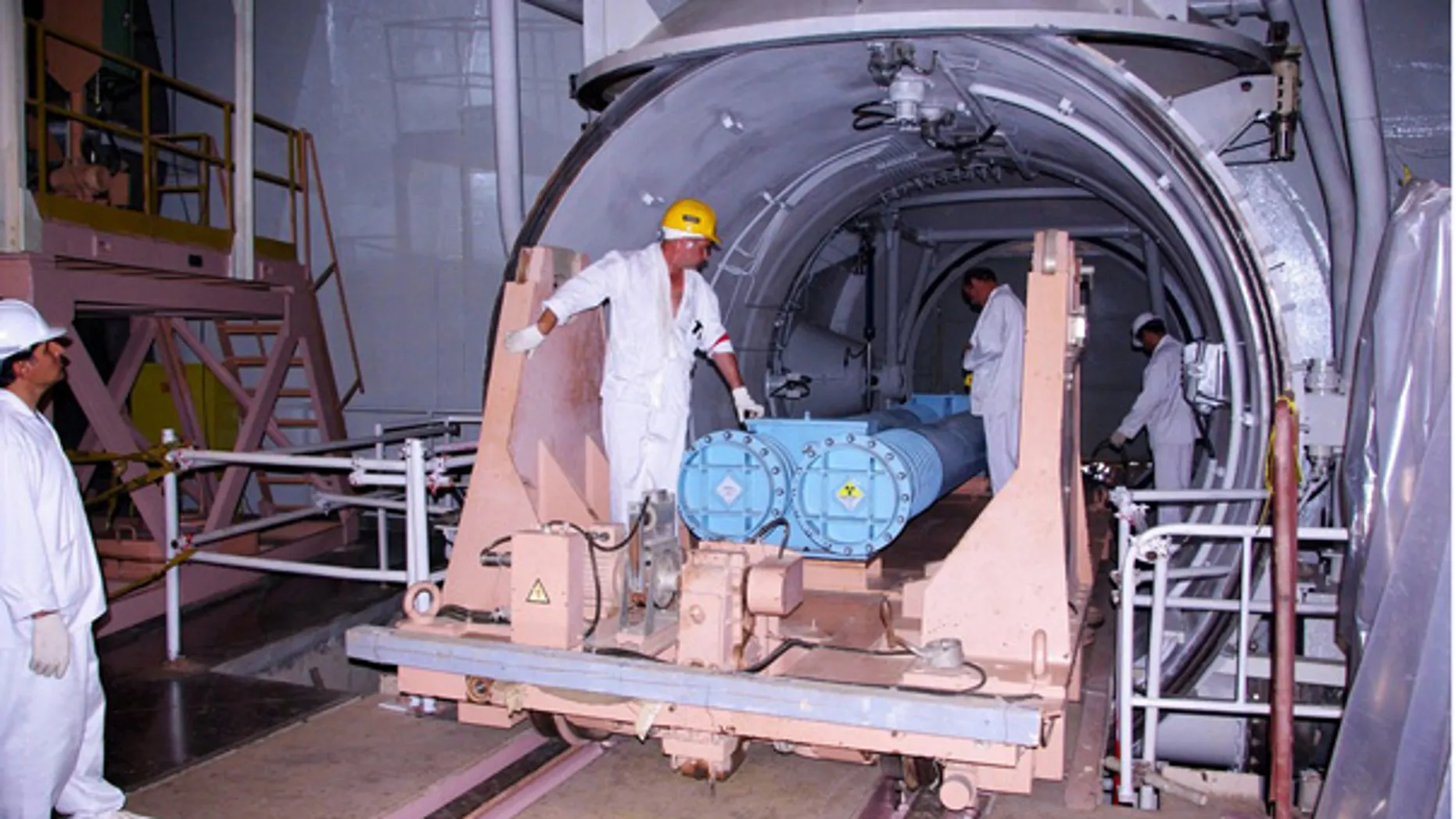
The reports indicate that the area surrounding Iran's Bushehr nuclear plant has been attacked for the fourth time during the current conflict, with Iranian authorities confirming the death of one plant employee. Iran has accused both the United States and Israel of being behind these attacks, although neither country has confirmed involvement.
The Bushehr plant is Iran's only operational nuclear facility, established with Russian assistance. The IAEA, the United Nations agency responsible for monitoring nuclear activities, has voiced its deep concern regarding these attacks, emphasizing the necessity of not targeting nuclear energy sites and their surrounding areas.
Details of the Incident
The latest attack on the Bushehr plant comes at a sensitive time, as military tensions escalate between Iran, the United States, and Israel. The IAEA confirmed that no increase in radiation levels has been reported following the attack, but it has called for maximum military restraint to avoid a nuclear incident.
In a related context, former U.S. President Donald Trump announced on March 27 a ten-day suspension of attacks on energy facilities, indicating an attempt to reach an agreement with Iran. However, escalation continued, with Iran launching missiles at Gulf countries, Iraq, and Israel, resulting in damage to some areas due to debris from intercepted missiles.
Background & Context
Historically, Iran's nuclear program has been a major point of contention between Iran and Western countries, leading to extensive international sanctions. The conflict between the United States, Israel, and Iran began on February 28, just two days after the third round of indirect talks regarding Iran's nuclear program in Geneva.
Iranian Foreign Minister Abbas Araghchi warned that the escalation of attacks could lead to a major incident, potentially threatening the lives of residents in Gulf countries allied with the United States. He noted that the attacks on the Bushehr plant recall Western discontent with hostilities near the Zaporizhzhia nuclear plant in Ukraine.
Impact & Consequences
The ramifications of the attacks on the Bushehr plant extend beyond military dimensions, as they may exacerbate humanitarian and environmental crises in the region. Should any radioactive leak occur, it could result in environmental disasters threatening the lives of millions in Gulf countries.
Furthermore, the continuation of attacks could lead to greater military escalation, threatening regional stability and increasing tensions among major powers. These events may also impact oil prices and global markets, as Iran is one of the largest oil producers in the world.
Regional Significance
Events in Iran directly affect neighboring Arab countries, as any military escalation could have negative repercussions on regional security. Arab nations, especially those allied with the United States, are closely monitoring the situation, as any escalation could adversely impact their stability and security.
In conclusion, the situation in Iran and its regional surroundings remains under scrutiny, with growing fears of nuclear incidents that could affect regional and international security. It is crucial for all parties to remain committed to dialogue and diplomacy to avoid military escalation that could lead to dire consequences.