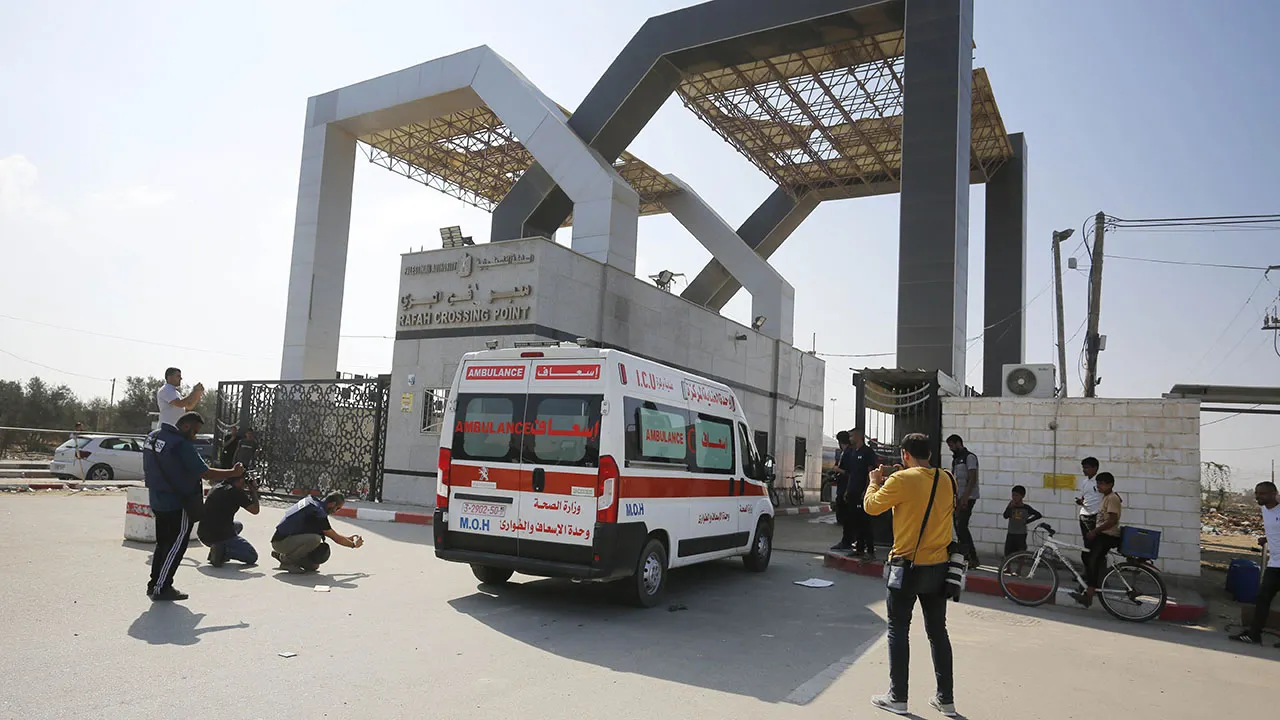
A new batch of returnees has arrived in Gaza via the Rafah border crossing, where they were welcomed by local authorities after thorough procedures. This step is part of Egypt's efforts to facilitate citizens' return to their homes amid the deteriorating humanitarian situation that the region has been experiencing for a long time.
The number of returnees is noticeably increasing, as Egyptian authorities continue to open the crossing to receive returnees from various areas. The crossing has been equipped with all necessary provisions to ensure the safety of returnees and provide them with the required support.
Details of the Event
The crossing process was conducted under the full supervision of the relevant authorities, ensuring that the procedures followed were safe. Necessary transportation means were provided to transfer the returnees to their areas after entering Gaza. It was also emphasized that adherence to health protocols is crucial in light of the spread of diseases and epidemics.
This step comes at a sensitive time, as Gaza is suffering from multiple crises, including shortages of food and medical supplies, which increases the importance of facilitating citizens' return to their homes.
Background & Context
The Rafah border crossing is the only outlet for Gaza to the outside world and has experienced many closures in recent years due to political and security conditions. With the escalation of humanitarian crises, returning to Gaza has become an urgent necessity for many families who have lost their homes or faced crises in previous periods.
Historically, Egypt has played a pivotal role in facilitating the movement of returnees, having welcomed many Palestinian families during previous crises. This role reflects the historical ties between the Egyptian and Palestinian peoples and reinforces Egypt's position as a key supporter of the Palestinian cause.
Impact & Consequences
This step contributes to alleviating the humanitarian pressures on Gaza's residents, providing returnees with the opportunity to start anew after periods of displacement. Additionally, the return of families may help rebuild the social fabric that has been significantly affected by ongoing conflicts.
However, the biggest challenge remains how to address the deteriorating economic conditions in Gaza, as returnees require ongoing support from the international and local community to ensure their stability and return to normal life.
Regional Significance
This step serves as a strong message about the importance of Arab solidarity in facing humanitarian crises. It also reflects the ability of Arab countries to cooperate in providing support to citizens during times of crisis.
Facilitating the return of families to Gaza may open the door for more humanitarian initiatives and Arab cooperation, enhancing regional stability and reflecting Arab countries' commitment to the Palestinian cause.
In conclusion, the return of families to Gaza is a positive step, but it requires ongoing efforts to ensure the stability of humanitarian and economic conditions in the region. Support from the international and local community will be essential to achieve this.