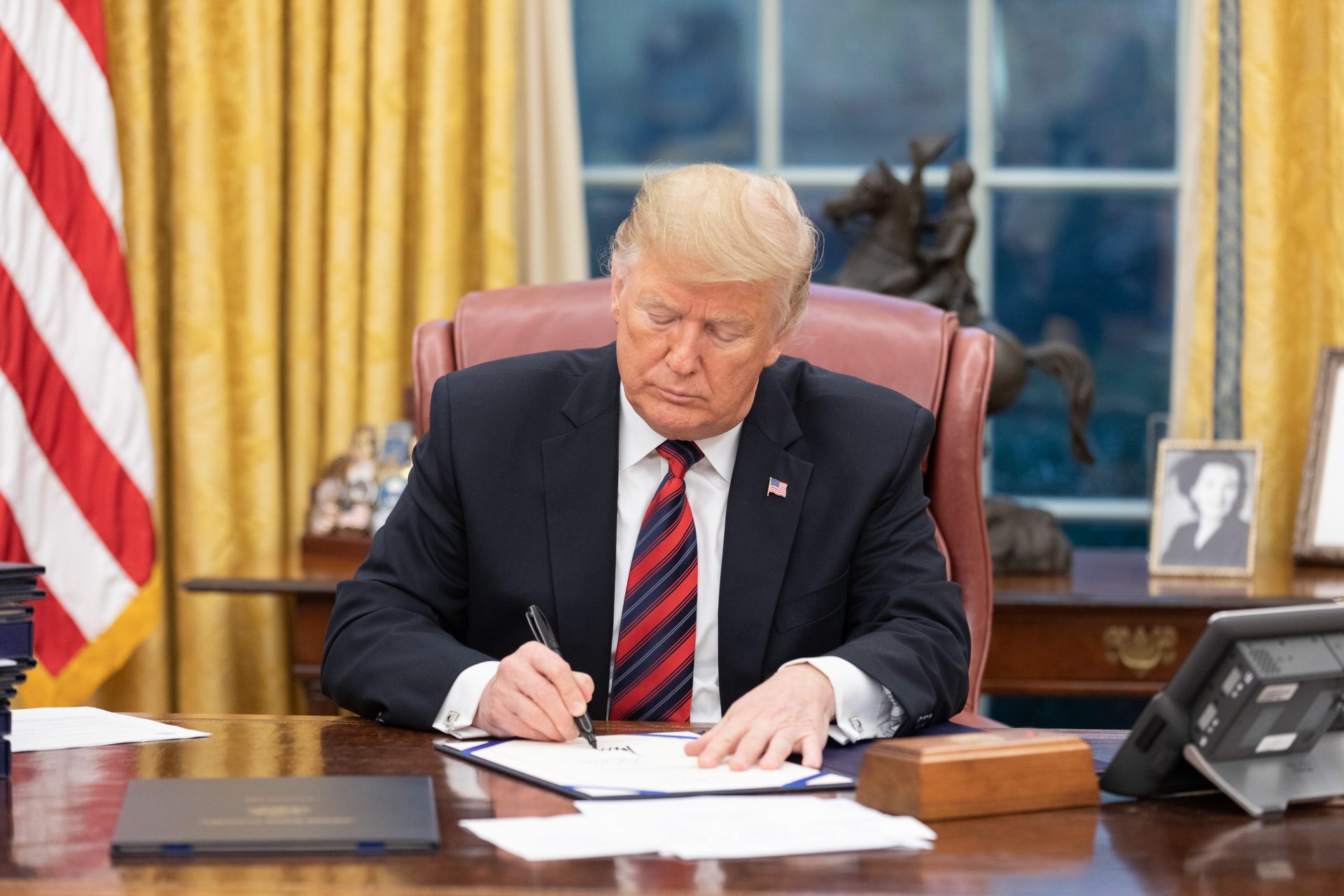
A recently announced bill has sparked widespread debate within economic circles, reflecting the challenges facing the country under current conditions. It is expected to have significant impacts across various sectors.
This bill comes at a sensitive time as officials seek to balance revenues and expenditures amid ongoing economic crises. Many experts have pointed out that this step may be necessary to ensure the sustainability of the economy, but it may also provoke discontent among certain social groups.
Details of the Bill
The new bill was unveiled during a press conference held in the capital, where officials emphasized the importance of this step in enhancing government revenues. The bill includes a range of financial measures aimed at increasing tax collection and improving the efficiency of public spending.
Among the most notable provisions of the bill are increases in certain taxes on luxury goods, along with adjustments to some government fees. Plans were also announced to restructure government support to ensure it reaches the most needy segments of society.
Background & Context
This bill comes in the context of a difficult economic situation facing the country, which is suffering from rising inflation rates and declining economic growth. The past months have seen numerous challenges, including rising food and energy prices, which have negatively impacted citizens' purchasing power.
Despite previous government efforts to improve the economic situation, global and local crises have complicated the landscape. Some analysts have indicated that the new bill could serve as a real test of the government's ability to address these challenges.
Impact & Consequences
This bill is expected to have multiple effects on the local economy. On one hand, it may contribute to improving government revenues and alleviating the financial deficit. On the other hand, it could increase pressure on citizens, especially given the difficult economic conditions they are experiencing.
There are also concerns that these measures could lead to a decline in consumption, which may negatively affect economic growth. Some economists have warned that increasing taxes could result in reduced investments in certain vital sectors.
Regional Significance
This bill is part of broader economic trends being witnessed in many Arab countries, where governments are seeking to achieve a balance between revenues and expenditures amid increasing economic crises. This step could serve as a model for other countries facing similar challenges or as a warning.
In light of these circumstances, Arab countries must consider new strategies to enhance economic growth and improve living conditions for citizens, moving away from relying solely on taxes as a means of achieving financial sustainability.
In conclusion, the new bill remains a contentious topic, with opinions varying on its feasibility and potential impacts. It will be important to monitor developments in the economic situation in the coming period to assess the success of these measures in achieving the desired goals.