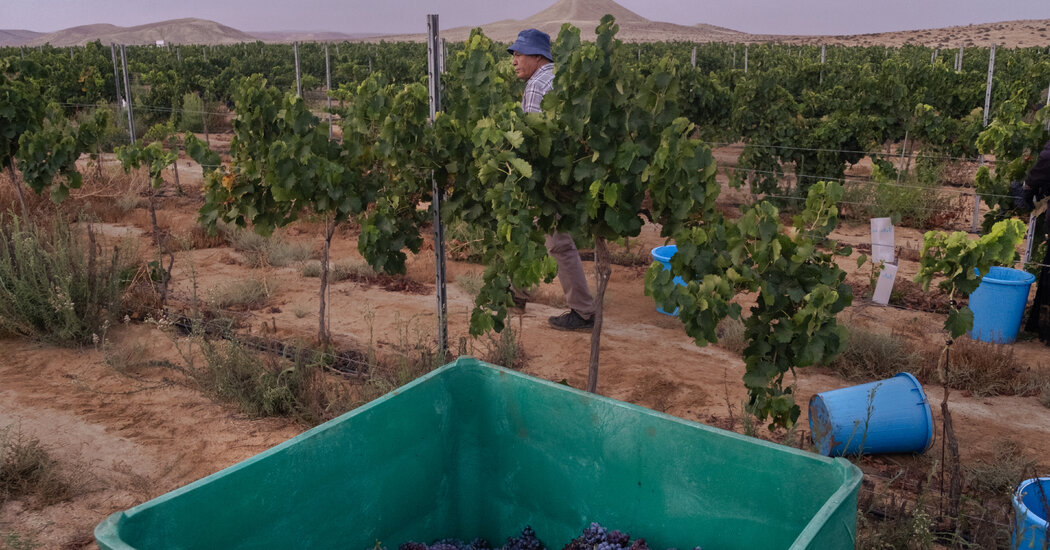
The Israeli wine industry is facing an unprecedented crisis after the rabbinical authorities issued new rulings that make it difficult for producers to classify their wine as 'kosher'. These decisions, which have provoked the ire of many producers, could lead to a significant decline in sales and harm the industry's reputation.
The wine industry in Israel is considered an important sector that reflects the country's history and culture. However, the new laws set forth by the rabbinical authorities may undermine this industry, as they impose strict standards that many producers may struggle to comply with.
Details of the New Rulings
The rabbinical authorities announced that wine produced under certain conditions will not be considered 'kosher', meaning it cannot be sold in markets that require this classification. This move comes at a sensitive time, as the Israeli wine industry has been experiencing notable growth in recent years, with increased demand for local wine in global markets.
The new regulations include requirements related to the production process, including the use of specific ingredients and defined fermentation methods. Many producers have expressed their dissatisfaction with these rulings, pointing out that they could lead to the loss of their traditional markets.
Background & Context
The history of wine production in Israel dates back thousands of years, with the country being regarded as a center for wine production in ancient times. Following the establishment of the State of Israel in 1948, the industry began to revive, with many wineries being established that aimed to offer products that meet global standards.
In recent years, the Israeli wine industry has seen increasing interest from consumers worldwide, contributing to its enhanced status in international markets. However, the new challenges imposed by the rabbinical authorities could reverse this progress, raising concerns among producers and investors.
Impact & Consequences
Many analyses predict that these decisions will lead to a significant decline in Israeli wine sales, especially in markets that heavily rely on the 'kosher' classification. Additionally, this move could negatively affect the industry's reputation, which may reflect on prices and sales in the future.
Moreover, these decisions may lead to a decrease in investments in the sector, as investors may hesitate to support an industry facing new regulatory challenges. Consequently, the economic impacts could be long-lasting, necessitating intervention from relevant authorities to protect this industry.
Regional Significance
The wine industry in Israel is part of the broader context of agricultural industries in the region, playing an important role in the local economy. As Israel faces challenges in this sector, there may be opportunities for neighboring Arab countries to enhance their own agricultural industries, including wine production.
This situation could lead to a rethinking of cooperation strategies among countries in the region, where some nations could benefit from Israeli experiences in this field, while considering the different cultural and religious values.
The new decisions issued by the Israeli rabbinical authorities represent a significant challenge for the wine industry in the country and could greatly impact the future of this sector. Under these circumstances, it will be essential for producers and investors to consider new strategies to adapt to these changes.