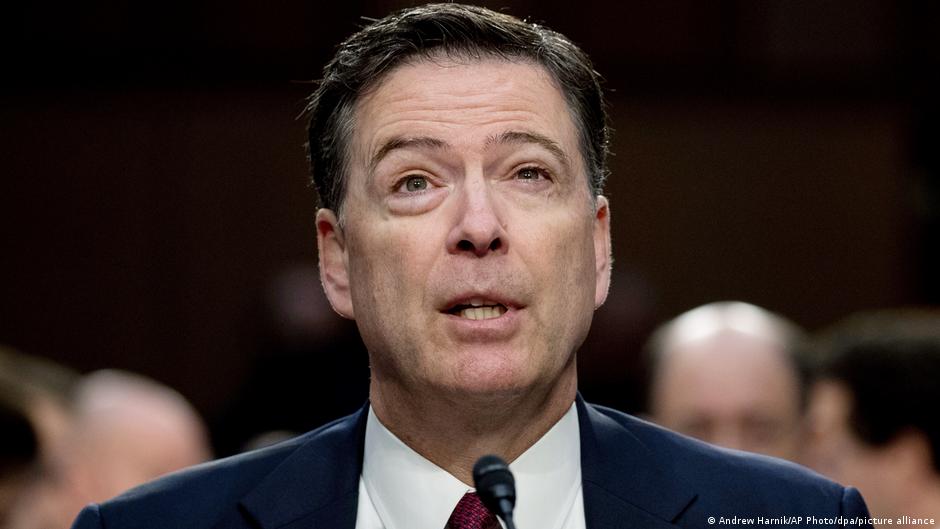
In a controversial move, the U.S. Justice Department has announced new charges against former FBI Director James Comey, raising questions about the motives behind this action. This accusation comes after Comey faced previous charges in September, where he was accused of providing false information to Congress and obstructing justice.
News reports, including those from CNN and Fox News, have indicated that the new charge relates to a post Comey shared on Instagram last May, showcasing shells on the beach that form the numbers '86 47'. The number 47 is seen as a reference to Donald Trump, leading some Republican critics to interpret the post as a potential threat against Trump.
Details of the Charges
So far, no precise details have been disclosed regarding the nature of the new charges against Comey. However, this move is seen as a repetition of the Justice Department's efforts under the Trump administration, which had previously charged him in September 2022. In that case, Comey pleaded not guilty, and the charges were dropped in November after a judge ruled that the appointment of the prosecutor in the case was illegal.
This development comes at a sensitive time, as the debate intensifies over Comey's role in the investigations related to Russian interference in the U.S. elections, which has sparked widespread controversy in political circles.
Background & Context
James Comey, who served as the FBI Director from 2013 to 2017, became a controversial figure after being fired by Trump in May 2017. Comey led the investigations into Russian interference in the U.S. elections, making him a target for sharp criticism from President Trump and his supporters.
Historically, there have been tensions between Comey and the Trump administration, with Trump accusing Comey of bias against his campaign. These tensions have led to a series of legal and political events that continue to unfold today.
Impact & Consequences
The indictment of Comey once again raises questions about the independence of the Justice Department in the United States, especially under the Trump administration. Many observers believe this move could be part of a political strategy aimed at undermining Comey's credibility, as he has become a prominent critic of President Trump. This accusation may open the door to further controversy regarding how the U.S. government handles public figures who oppose its policies.
The implications of this case extend beyond Comey, potentially affecting public trust in the judicial system and the perceived impartiality of law enforcement agencies.
Regional Significance
The ongoing legal battles surrounding Comey reflect broader political tensions within the United States, particularly regarding the handling of investigations into political figures. As the nation grapples with issues of transparency and accountability, the outcome of this case could set important precedents for future interactions between the government and its critics.
In conclusion, the new charges against Comey not only highlight the contentious relationship between him and the Trump administration but also underscore the complexities of the American political landscape as it continues to evolve.