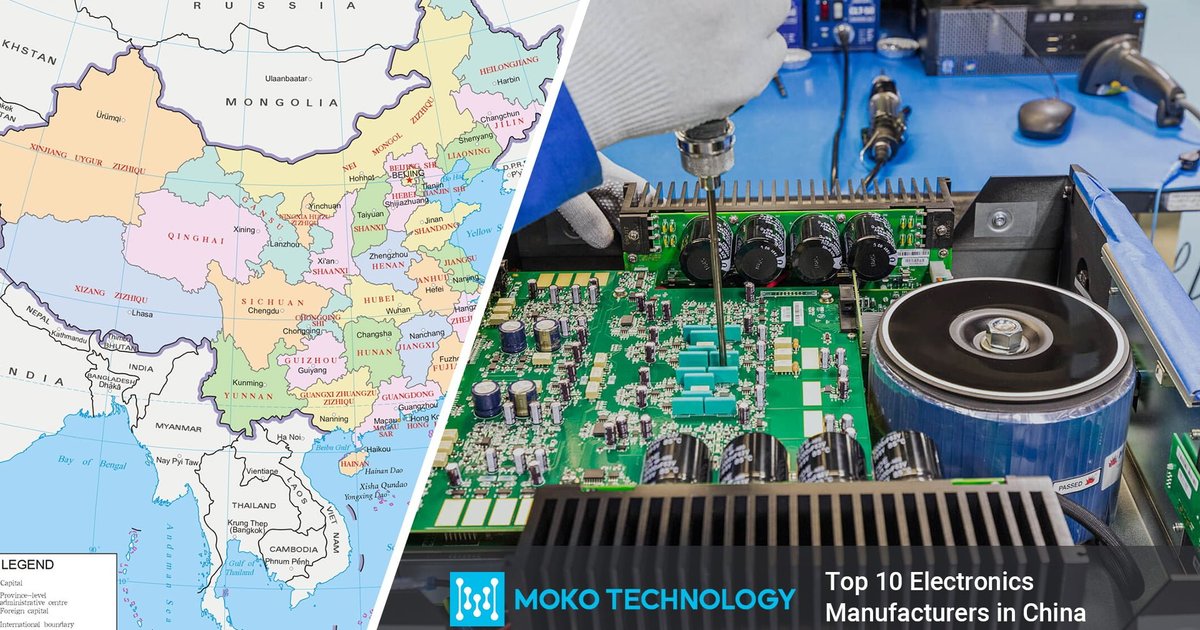
Attention is turning to a new crisis threatening the European economy, as reports indicate that the redirection of electronics and computer equipment from China will lead to a substantial erosion of profit margins for British and European companies. These developments come at a sensitive time when European countries are striving to enhance their trade amid increasing global tensions.
Forecasts suggest that companies in the UK and Europe will encounter significant difficulties in addressing these challenges, even if they impose trade barriers on Chinese products. Changes in global supply chains directly affect the competitiveness of these companies, placing them in a weak position against global competitors.
Details of the Event
China is considered one of the largest exporters of electronics and computer equipment in the world, and with the redirection of these products, many European companies will be directly affected. A recent study has shown that companies relying on these products will find themselves forced to reduce their profit margins, which may lead to a cutback in their investments in research and development.
Moreover, the redirection of electronics may lead to increased prices for European consumers, which could affect purchasing power and heighten inflationary pressures in the region. At the same time, some companies may be compelled to seek alternative sources for electronics, which could take time and increase costs.
Background & Context
Historically, trade relations between China and Europe have experienced significant fluctuations, with China being regarded as a key trading partner. However, increasing political and economic tensions, including trade disputes, have led to a reevaluation of these relations. In recent years, European countries have begun searching for alternatives to Chinese production, but this process has not been easy.
It is noteworthy that many European companies have heavily invested in Chinese supply chains, making it challenging for them to quickly transition to other options. Consequently, the redirection of electronics may serve as a wake-up call for these companies to reconsider their business strategies.
Impact & Consequences
This crisis is expected to have negative effects on the European economy as a whole. Pressures on profit margins may lead to a reduction in investments in vital sectors, which could adversely affect overall economic growth. Additionally, rising prices may result in a decline in demand, negatively impacting productivity.
Furthermore, companies relying on Chinese supply chains may find themselves in a difficult position, as they will need to reassess their business strategies and pivot towards new markets. These challenges could lead to restructuring in certain sectors, which may affect employment and jobs in the region.
Regional Significance
Given the impact of this crisis on the European economy, there are potential repercussions for the Arab region. Some Arab countries rely on trade with Europe, and thus any downturn in the European economy could affect exports and imports. Additionally, rising prices in Europe may increase inflationary pressures in Arab countries.
At the same time, there may be new opportunities for Arab countries to boost their exports to Europe, especially if they can offer competitive alternatives to electronics and computer equipment. Therefore, Arab nations must be prepared to seize these opportunities amid global changes.