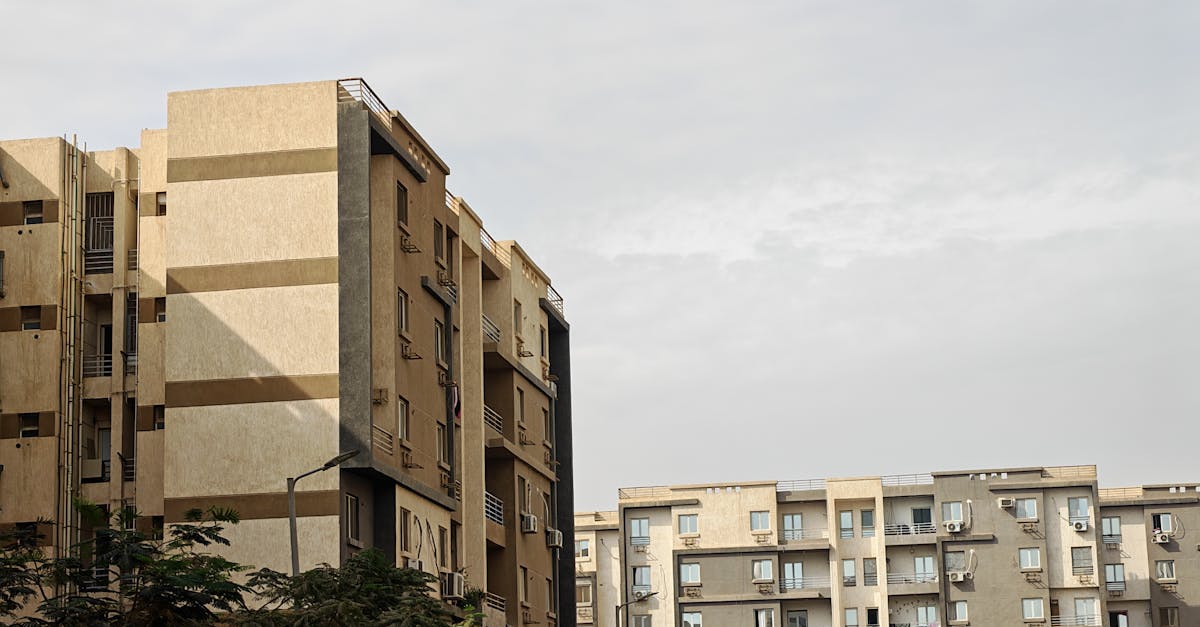
The Arab world is drawing attention as activity in the real estate sector escalates, with many countries embarking on massive projects aimed at boosting local economies and attracting foreign investments. These transformations are part of governments' efforts to develop infrastructure and meet the growing needs of their populations.
Recently, a series of major real estate projects have been announced across several Arab countries, reflecting a positive trend towards improving the investment environment. These projects include the establishment of new residential and commercial complexes and the development of urban areas, contributing to job creation and economic growth.
Details of the Developments
One of the most prominent projects unveiled is the development of a new residential area in the capital, aiming to provide 10,000 housing units by 2025. This project underscores the government's commitment to addressing citizens' needs amid ongoing population growth.
In addition, new investments in the tourism sector have been announced, as some countries seek to enhance tourism by developing hotels and resorts. These steps are part of a comprehensive strategy aimed at diversifying income sources and reducing reliance on oil.
Background & Context
Historically, the real estate sector in the Arab world has experienced significant fluctuations, with many projects affected by economic and political crises. However, recent years have seen relative stability in some countries, contributing to a resurgence of investor confidence.
Real estate is considered a vital sector that plays a fundamental role in the economy, as it contributes to job creation and fosters growth. With the increasing demand for housing and commercial facilities, investments in this sector represent a significant opportunity for economic expansion.
Impact & Consequences
These developments highlight the importance of investing in infrastructure, as new projects will enhance the quality of life for citizens. Additionally, strengthening the real estate sector could lead to increased government revenues through taxes and fees.
Moreover, these projects may attract more foreign investments, enhancing the status of Arab countries as investment hubs in the region. This could positively impact the local economy and increase available job opportunities.
Regional Significance
These developments coincide with efforts by many Arab countries to enhance economic cooperation among themselves. Countries are seeking to exchange expertise and investments in the real estate sector, thereby promoting economic integration in the region.
In conclusion, the current transformations in the real estate sector reflect a forward-looking vision aimed at improving living conditions and fostering economic growth. It is crucial for governments to continue supporting these projects and providing a conducive environment for investment.