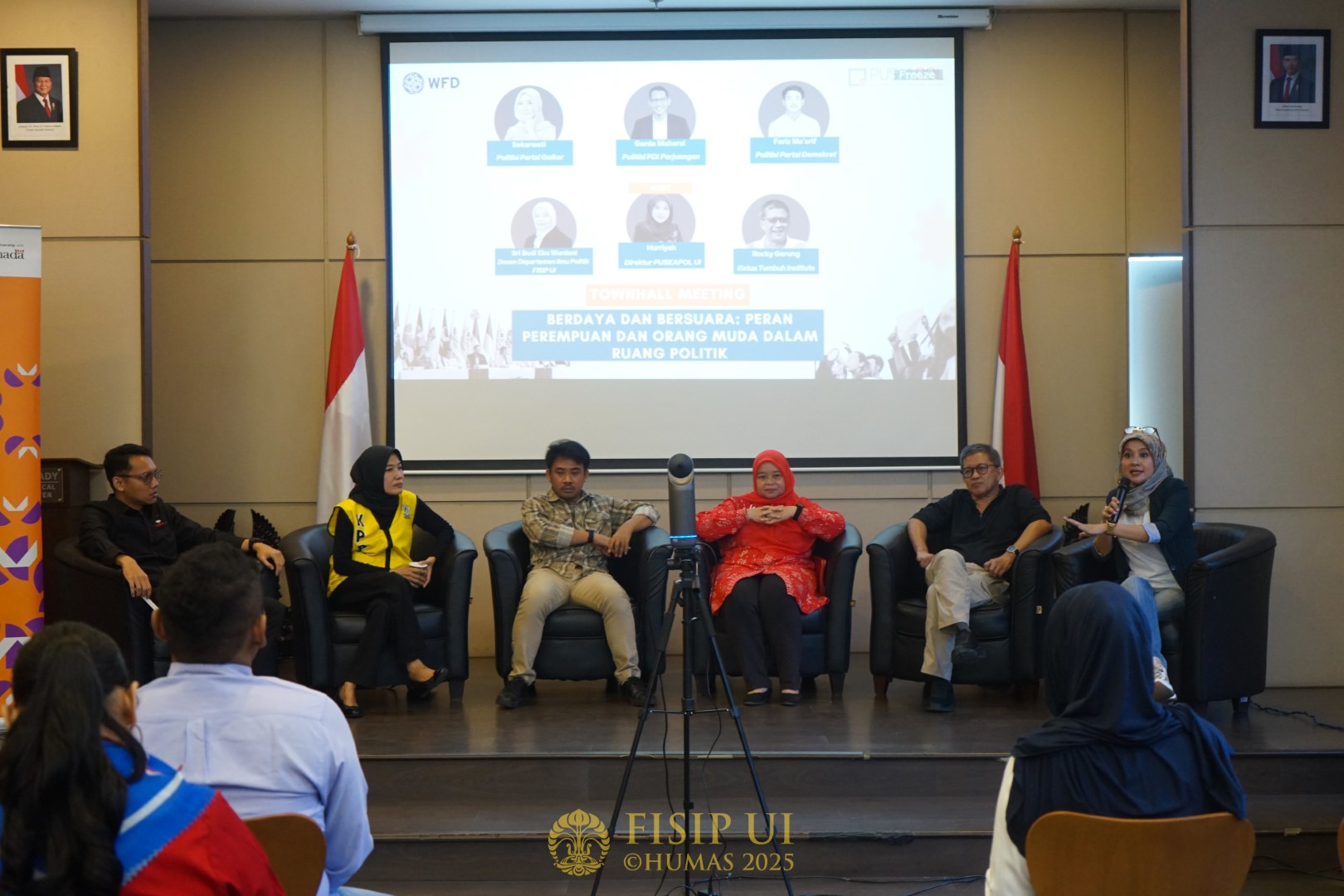
The head of Indonesia's Corruption Eradication Commission, Setio Budianto, stated that he has not received any summons from the Oversight Committee (Dewas) concerning the complaints filed regarding the change in the detention status of Yaqut Choli Qoumas, the former Minister of Religious Affairs accused in a corruption case related to Hajj quotas. Setio clarified during a press conference at the commission's headquarters in Jakarta that matters are still under review and that he remains committed to the legal process.
Setio pointed out that it is better to direct questions to the Oversight Committee directly, as they are responsible for following up on the complaints submitted. He confirmed that he has no issues with the report submitted and is awaiting the results of the investigations.
Details of the Event
Earlier, the head of the Oversight Committee, Ghasrizal, explained that the committee received complaints from citizens since March 25, 2026, regarding the legal and ethical grounds for changing Yaqut's detention status from prison to house arrest. Ghasrizal affirmed that the committee began addressing the complaints on March 30, 2026, and is committed to monitoring all stages of the case.
It is noteworthy that the Corruption Eradication Commission began its investigations into the Yaqut case on August 9, 2025, with Yaqut and Choli Qoumas being announced as suspects in the case on January 9, 2026. The decision to change Yaqut's detention status to house arrest was made on March 23, 2026, before he was returned to prison on March 24.
Background & Context
The Yaqut Choli Qoumas case is considered one of the prominent corruption cases in Indonesia, involving corruption in the management of Hajj quotas. This case has sparked widespread controversy in Indonesian society, as Hajj is a sacred matter that concerns many Muslims. This situation reflects the challenges faced by the Indonesian government in combating corruption and achieving transparency in public resource management.
Historically, Indonesia has witnessed numerous corruption-related cases, leading to the establishment of special committees to combat corruption. The Corruption Eradication Commission was established in 2003 as part of efforts to enhance integrity and transparency in government.
Impact & Consequences
The Yaqut Choli Qoumas case raises significant concerns about the credibility of the Corruption Eradication Commission and its ability to effectively handle corruption cases. With increasing complaints and demands from the public, the commission must demonstrate its capability to maintain its independence and transparency in addressing these issues.
This case may also affect citizens' trust in the government, as many expect strict actions against corruption. The lack of clear actions could exacerbate feelings of frustration among citizens and increase pressure on the government.
Regional Significance
The corruption case in Indonesia serves as an example of the challenges faced by many countries in the Arab region. With the growing public awareness of the importance of transparency and accountability, citizens expect governments to take effective steps to combat corruption. The success or failure of the Corruption Eradication Commission in Indonesia may have wide-ranging implications for how Arab countries deal with corruption issues.
In conclusion, the Yaqut Choli Qoumas case remains under scrutiny, as the Indonesian community awaits the results of the investigations and the implications for the future of anti-corruption efforts in the country.