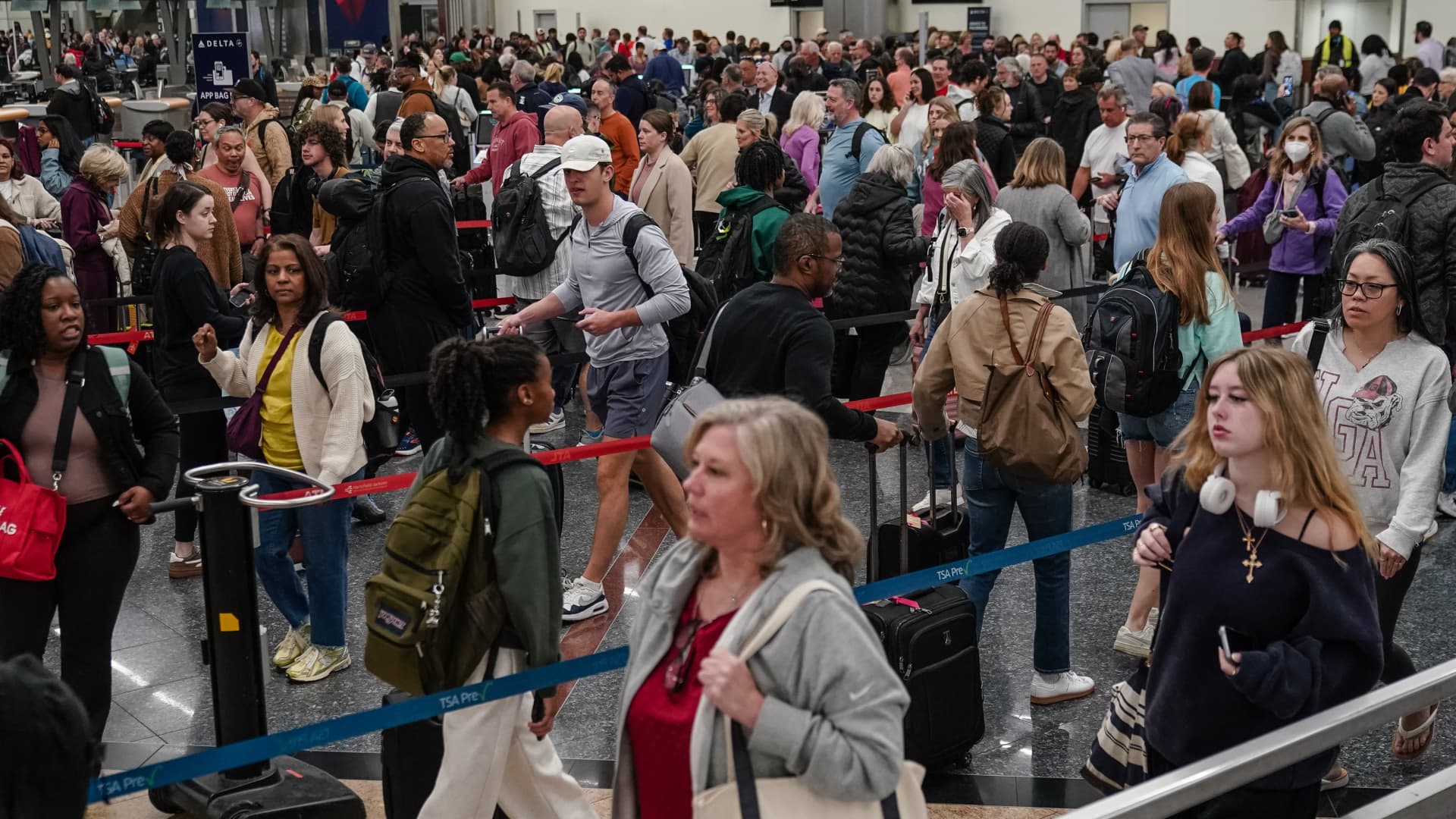
Tom Homan, the head of U.S. Immigration and Customs Enforcement (ICE), announced that the agency's agents will be deployed at airports across the United States next Monday, part of efforts to ease the congestion caused by the DHS shutdown. This announcement comes as the shutdown continues to impact passenger flow, leading to security lines at airports being delayed by over two hours.
In a statement during his appearance on CNN's 'State of the Union,' Homan emphasized that the team being deployed will work to improve operations at the airports, assisting in tasks such as guarding exit doors, which can lighten the burden on Transportation Security Administration (TSA) employees who are facing increased pressure due to staff shortages.
This move comes amid a genuine crisis, as the negative ramifications of the shutdown have become increasingly apparent, with more than 400 employees from the TSA leaving their positions since the beginning of the shutdown. Many of these employees have chosen not to report to work or have resigned entirely, exacerbating the strain on airport infrastructure and intensifying the difficulties for travelers.
As the crisis escalates, actions taken by the Trump administration have received warnings from American political figures, with Democratic Representative Hakeem Jeffries acknowledging the dangers of deploying ICE agents at airports, suggesting it could expose travelers to unnecessary risks, as these agents have not received adequate training to handle sensitive situations at airports.
In fact, issues of immigration and national security in the United States are not new, dating back decades. The crackdown on illegal immigration and border protection remain priorities for U.S. administrations. Current administration policies differ significantly from its predecessor, as President Trump adopted a more hardline approach to immigration issues.
The implications of these multifaceted actions could be significant. This deployment could evoke considerable sensitivity among immigrants, particularly after past reports of violence against some immigrants due to heightened fear and anxiety. At a time when many residents seek to improve their situations, these measures may exacerbate feelings of insecurity.
Regarding U.S. relations with the Middle East, these developments could create broader ramifications in immigration-related issues. Many immigrants from Arab countries, especially those fleeing conflicts and wars, are concerned about how such policies may affect their rights and protections. Moreover, immigration decisions are a critical component of U.S. relations with its Middle Eastern allies, reflecting both foreign policy and humanitarian commitments.
Ultimately, this direction may place the United States at risk of long-term consequences, either by fostering fear among immigrants or by threatening national interests at a time when the country needs community unity and a sense of security. The situation at airports continues to evolve, and Americans are anxiously awaiting how these new policies will affect their travel experiences and their right to safety.