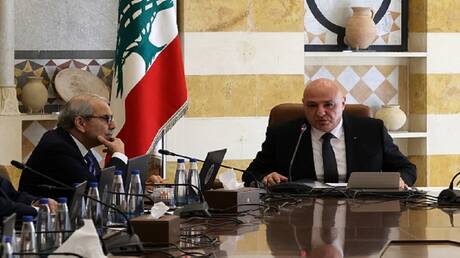
Lebanese MP Ali Fayad from the 'Hezbollah' bloc in the Lebanese Parliament stated that there are noticeable trends to correct the negotiating position of Presidents Joseph Aoun and Nawaf Salam. These trends aim to bring their positions closer to Lebanese constants, reflecting a desire to enhance unity among the Lebanese in facing current challenges.
Amid the difficult political and economic conditions that Lebanon is experiencing, these statements highlight the importance of coordination among political leaders. The current situation requires the collective efforts of all parties to ensure the country's stability and achieve national interests.
Details of the Event
Fayad spoke during a press conference about the importance of re-evaluating negotiating strategies, emphasizing the urgent need to unify positions between the two presidencies. He confirmed that these steps are part of strengthening Lebanon's position in international forums, especially given the economic and social challenges facing the country.
He also noted that correcting the negotiating position could contribute to improving relations with other countries, potentially opening the door for economic aid and international support for Lebanon. He expressed optimism about the possibility of making progress in this direction, stressing the need for collective action among all political forces.
Background & Context
Lebanon has been experiencing multiple crises for several years, encompassing economic, political, and social dimensions. These crises have led to a deterioration in the living conditions of citizens, necessitating serious steps from political leaders. In this context, correcting the negotiating position is considered a necessary step to enhance internal stability.
Historically, Lebanon has witnessed numerous political crises that have affected its ability to negotiate with other countries. Therefore, strengthening the negotiating position could have a significant impact on the country's future, especially in light of regional and international challenges.
Impact & Consequences
If progress is made in correcting the negotiating position, it could lead to improved relations with the international community, contributing to attracting foreign investments and providing financial support to Lebanon. This is essential given the difficult economic conditions faced by the Lebanese people.
Moreover, improving the negotiating position may help enhance political stability, positively reflecting on the security situation in the country. The more political leaders agree, the greater the chances of achieving peace and stability.
Regional Significance
The developments in Lebanon are of great importance to the Arab region, as Lebanon's stability can directly affect neighboring countries. Amid the multiple crises facing the region, any progress in Lebanon could serve as a model for other countries.
Furthermore, improving Lebanese relations with other countries could contribute to enhancing regional cooperation, benefiting all Arab nations. Therefore, monitoring these developments is crucial for anyone interested in Arab affairs.
In conclusion, the new directions to correct the negotiating position in Lebanon represent a positive step towards achieving stability, requiring the support of all political forces to achieve the desired goals.