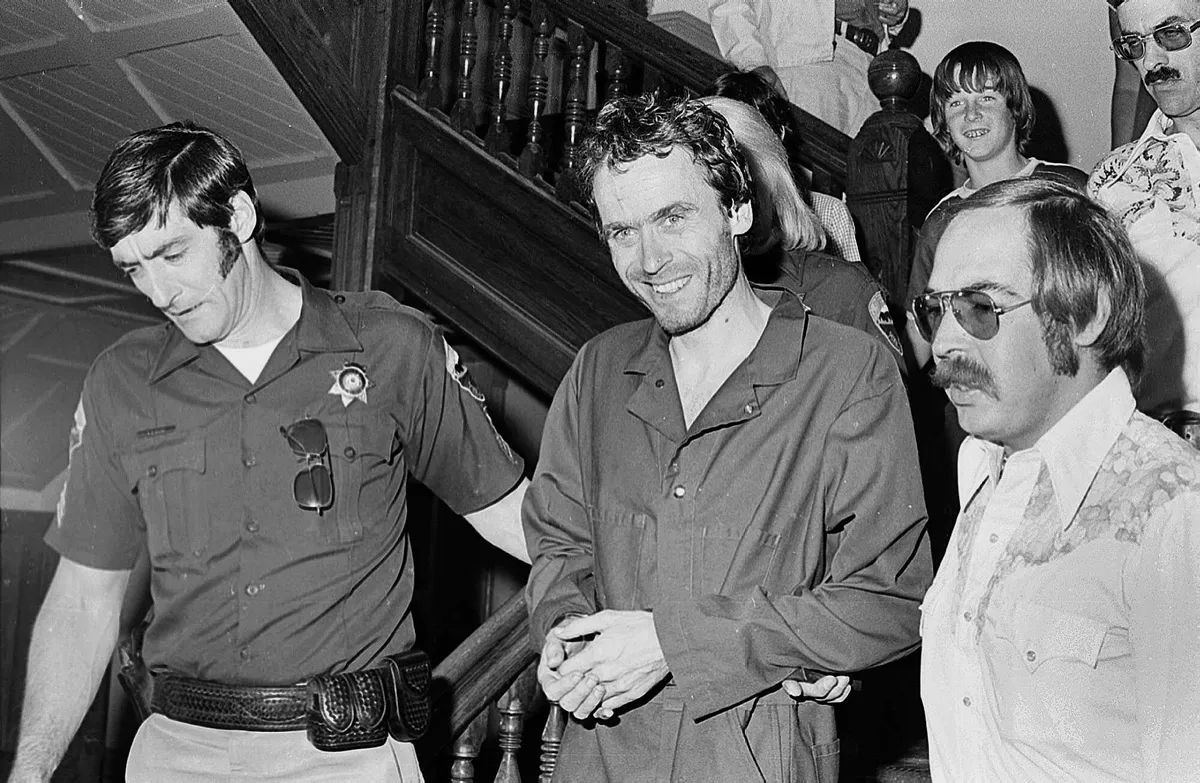
A recent DNA analysis has revealed a new connection between the death of a teenager in Utah in 1974 and the infamous serial killer Ted Bundy. These findings come after decades of uncertainty surrounding the case, where the body of the girl, Deborah King, was found in a remote area, raising numerous questions about the circumstances of her death.
This case is considered one of many crimes committed by Bundy, who is regarded as one of the most notorious serial killers in U.S. history. He was arrested in the 1970s and sentenced to death after confessing to a number of horrific crimes.
Details of the Event
Modern techniques were employed in the DNA analysis to re-examine evidence collected from the crime scene. The results showed that the DNA found on King's body matched a sample from Bundy, reinforcing the hypothesis of his involvement in the crime. These findings represent a significant step towards achieving justice for the victim's family, who have suffered for decades from uncertainty.
The case revolves around the disappearance of King, who was 17 years old when she went missing. Her body was discovered several days later, but investigators have been unable to identify the killer until now. However, these new results may reopen the case and help provide answers to her family.
Background & Context
Historically, Ted Bundy is considered one of the most terrifying serial killers in the United States, having committed numerous crimes in the 1970s. He was known for his ability to attract his victims and often used deceptive methods to lure women. After his arrest, he confessed to committing over 30 murders, but the actual number is believed to be much higher.
This case illustrates how advancements in forensic science, particularly in the field of DNA, can assist in solving cold cases that were once deemed unsolvable. It also highlights the importance of continuing the pursuit of justice for victims and their families.
Impact & Consequences
These findings may lead to the reopening of many similar unsolved cases, as modern DNA techniques can be used to analyze old evidence. This could significantly change how authorities handle cold cases and provide hope to families of victims seeking answers.
Moreover, this case underscores the importance of education regarding crimes and violence against women, and how these crimes can impact communities. There should be greater efforts to raise awareness and educate young people about the dangers of violence and how to avoid becoming victims.
Regional Significance
While this case may seem to pertain only to the United States, it has broader implications. In the Arab world, there are also similar issues related to violence against women, and greater efforts must be made to combat this phenomenon. This case can serve as a model for how forensic science can be utilized to solve old cases.
In conclusion, these new findings demonstrate how science can aid in achieving justice and provide hope to families of victims who have suffered for a long time. We must continue to support efforts to resolve cold cases and deliver justice for the victims.