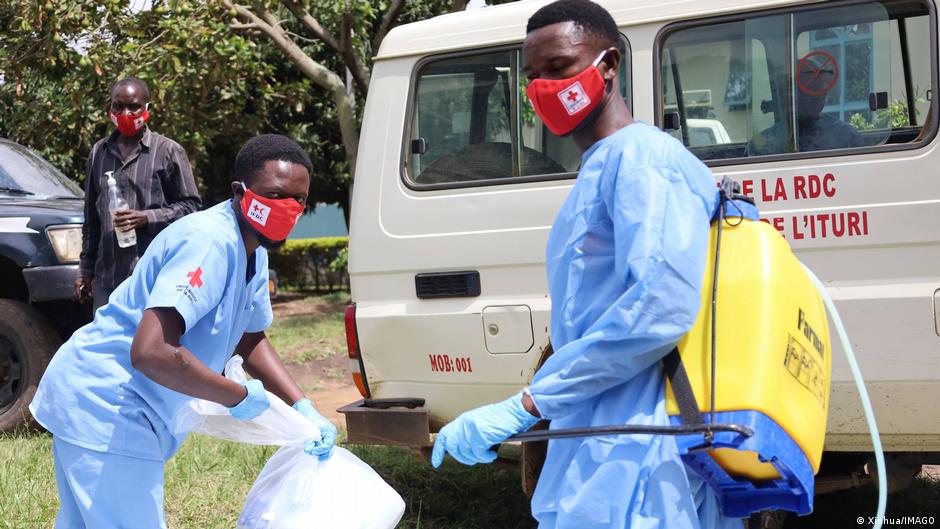
The Ebola virus has resurfaced in the Democratic Republic of Congo, with new cases indicating that the virus may have been spreading for weeks, possibly months, before its discovery. The current strain of the virus still holds many secrets regarding its specific behavior, raising concerns among health authorities.
The mode of transmission is one of the most critical factors that make Ebola a deadly disease. Unlike respiratory viruses that spread through the air, Ebola requires direct contact. The virus needs direct access to mucous membranes in the mouth, nose, or eyes, or through cuts and abrasions on the skin. Intact skin serves as a barrier, but any breach becomes a point of entry.
Details of the Outbreak
David Heymann, an epidemiologist at the London School of Hygiene and Tropical Medicine, reported that the Ebola virus spreads from person to person through bodily fluids such as blood and saliva, as well as other body fluids. Infected individuals release massive amounts of the virus in these fluids, putting healthcare workers and family members at risk, especially during the later stages of the disease.
The virus primarily targets the immune defenders in the body, weakening the immune system's ability to resist infection. The initial symptoms of Ebola closely resemble those of common illnesses, making early diagnosis challenging. Often, patients begin to feel better before their condition sharply deteriorates, increasing the risk of transmission.
Background & Context
The history of Ebola dates back to 1976 when the virus was first identified in Congo. Since then, the region has experienced several outbreaks, but the 1977 outbreak was quickly contained thanks to the rapid response from doctors. However, the current situation is more complex due to ongoing conflicts and large population movements, making it difficult to control the virus.
Funeral rites in some areas are considered key factors contributing to the virus's spread. In West Africa, bodies are washed and handled days after death, a period during which the virus remains active. This situation necessitates a change in customs and traditions to reduce the risk of infection.
Impact & Consequences
Estimates suggest that the Ebola outbreak could have widespread effects on public health and the economy in the region. With people moving across borders, the virus could spread to other countries, complicating control efforts. Additionally, distrust in health authorities may exacerbate the situation, as people may refuse to follow health guidelines.
It requires joint efforts from the local community and local leaders to implement effective strategies to curb the virus's spread. The use of gloves and masks, along with safe handling of corpses, can help reduce risks.
Regional Significance
Although the Ebola outbreak is occurring in Congo, its impact could extend to Arab countries. The movement of refugees and labor could transport the virus to other areas, necessitating greater preparedness from health authorities in Arab nations. A rapid and effective response is crucial in case any new cases emerge.
In conclusion, the current Ebola outbreak requires a coordinated and comprehensive response from all stakeholders. Understanding how the virus spreads and methods of prevention can help save lives and mitigate the negative impact on affected communities.