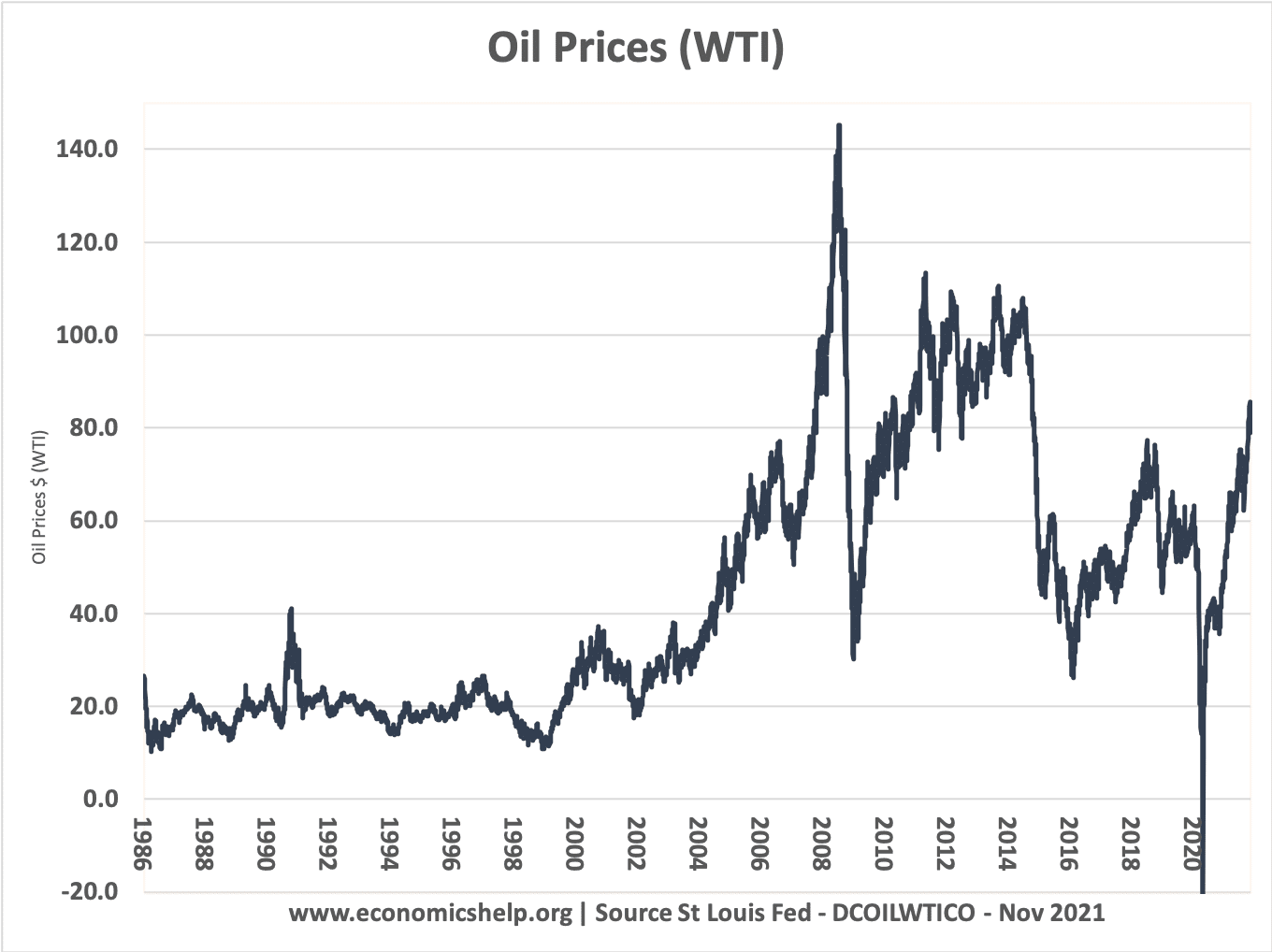
Recent economic reports have indicated a significant increase in oil prices, with prices surpassing the $90 per barrel mark. This rise comes at a sensitive time, as many countries are seeking to recover from the adverse effects of the COVID-19 pandemic that negatively impacted their economies. Experts predict that this increase will have profound effects on the global economy, necessitating a thorough analysis of the potential repercussions.
As pressures on global markets increase, several factors contributing to this rise are emerging, including heightened demand for oil amid economic recovery in some countries, along with geopolitical tensions in key oil-producing regions. Additionally, decisions made by OPEC+ regarding production levels play a significant role in determining prices.
Details of the Event
Recently, oil prices have exceeded the $90 per barrel mark, a level not seen in several years. This increase is attributed to several factors, including rising demand in Asian markets, particularly in China and India, which are experiencing notable economic recoveries. Furthermore, geopolitical factors, such as tensions in the Middle East, contribute to increasing concerns regarding supply stability.
On the other hand, reports indicate that OPEC+ may consider adjusting production levels to address this increase. Any decision of this nature could have direct effects on prices in global markets, keeping observers on high alert.
Background & Context
Oil prices have experienced significant fluctuations over the years, influenced by various economic and political factors. In 2020, the COVID-19 pandemic led to a sharp decline in demand, pushing prices to unprecedented levels. As economic recovery began in 2021, prices started to rise again, but this increase was primarily driven by growing demand.
Historically, oil prices have been considered a key indicator of the health of the global economy. During times of rising prices, oil-consuming economies often face negative impacts, as transportation and production costs increase, leading to higher prices in local markets.
Impact & Consequences
The rise in oil prices is expected to have widespread effects on the global economy. Oil-consuming countries, such as the United States and European Union nations, may face increasing economic pressures due to rising energy costs. This could lead to higher inflation, affecting consumers' purchasing power.
Moreover, this increase in prices may influence the monetary policies of countries, as central banks might have to adjust interest rates to combat rising inflation. Additionally, oil-producing countries could benefit from this increase, enhancing their revenues and impacting their balance of payments.
Regional Significance
Arab oil-producing countries are among the most affected by rising prices. Countries like Saudi Arabia and the United Arab Emirates may benefit from this increase in revenues, strengthening their capacity to implement development projects. However, oil-consuming countries in the region may face economic challenges due to rising prices.
Ultimately, the rise in oil prices remains a complex issue that requires close monitoring by policymakers and analysts. Understanding the potential impacts on the global economy and Arab countries will be vital in the coming period.