Negotiations for a ceasefire agreement in the Gaza Strip are witnessing renewed activity led by mediators, as part of efforts to break the deadlock that has dominated the situation since the outbreak of the Iran War. The meetings, which are set to resume in the coming days in Cairo, aim, according to experts, to make progress on unresolved issues such as the work of the technocrat committee, as well as to embarrass Israel and prevent it from entrenching the status quo.
The Cairo News Channel reported that Cairo hosted discussions over the past two days involving mediators and the UN Special Coordinator for the Middle East Peace Process, Nikolai Mladenov, to continue efforts for a ceasefire in Gaza. Sources confirmed that a positive atmosphere prevailed during the negotiations, with all parties expressing commitment to implement all provisions of former US President Donald Trump's plan regarding Gaza, although Hamas insists on implementing all outcomes of the Sharm El-Sheikh summit.
Details of the Event
Sources confirmed that Hamas and Palestinian factions showed seriousness in completing the steps to implement the ceasefire agreement in Gaza at all its stages, and there is consensus among all parties to continue discussions in Cairo next week. This came after Hamas announced in a statement that its delegation met with Egyptian officials and representatives of Palestinian factions, as well as held a meeting with Mladenov, in the presence of mediators from Egypt, Qatar, and Turkey, emphasizing the necessity of completing the implementation of the first phase of the agreement in all its provisions.
The Hamas delegation expressed the movement's and Palestinian factions' commitment to the ceasefire agreement at all its stages, noting that they received an invitation to continue talks in Cairo in the coming days. Political analyst Dr. Tarek Fahmy pointed out that Cairo is keen to keep the Gaza agreement file active, preventing Israel from entrenching the status quo and maintaining its control over the Strip.
Context and Background
These moves come at a time when Gaza is suffering from the repercussions of the ongoing war, with increased pressure on Palestinian factions to make progress in negotiations. Political analyst Nizar Nazzal noted that Hamas is aware that Israel will not implement the second phase of the agreement for various reasons, including evasion of commitments, and wants to throw the ball into the Israeli court to embarrass it before the world.
A Palestinian source close to Hamas confirmed that the movement's delegation, led by Khalil Al-Hayya, met with Mladenov and discussed the proposed framework, which includes the issue of weapons, in addition to the integration of employees in the police and institutions. The movement's demands were clear, consisting of the withdrawal of the occupation forces, the arrival of stability forces, and the formation of the police, before discussing any implementations regarding the weapons issue.
Impact and Consequences
The disarmament of Hamas is considered one of the main points of Mladenov's plan announced at the UN Security Council, which includes the movement's agreement to destroy the tunnel network and relinquish arms in phases over eight months. Meanwhile, Israel refuses to withdraw from Gaza unless Hamas is disarmed first, complicating negotiations further.
Nazzal believes that Mladenov is not negotiating but rather conveying messages, indicating that everyone is on the brink of the second phase, but it will not open until after the Iran War is concluded. Upcoming meetings may witness arrangements to achieve tangible progress on the ground, especially regarding the work of the technocrat committee.
Impact on the Arab Region
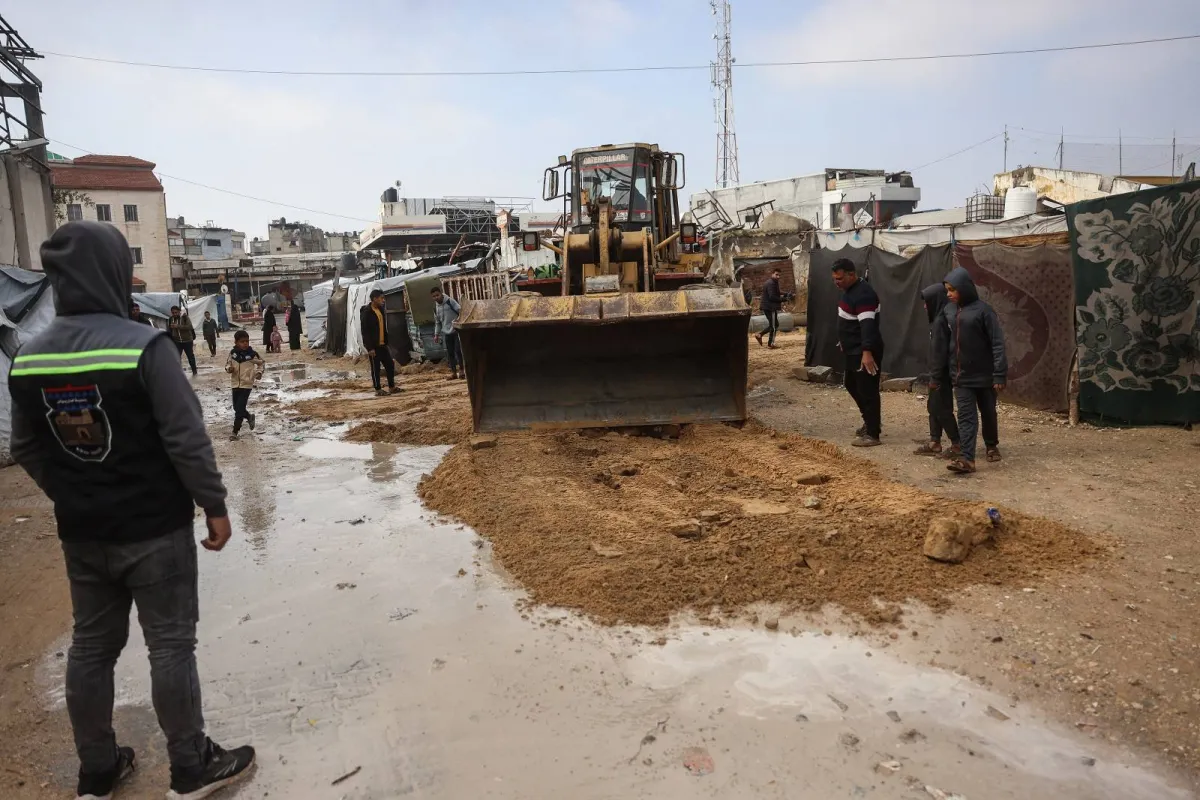
International warnings are increasing regarding the impact of military escalation in the Middle East on humanitarian conditions in Gaza, where residents are suffering from difficult living conditions. Current movements may lead to a de-escalation of tensions, but they require genuine commitment from all parties to achieve peace and stability.
In conclusion, the situation in Gaza remains complex and requires continuous efforts from mediators and the international community to ensure the implementation of agreements and achieve stability in the region.