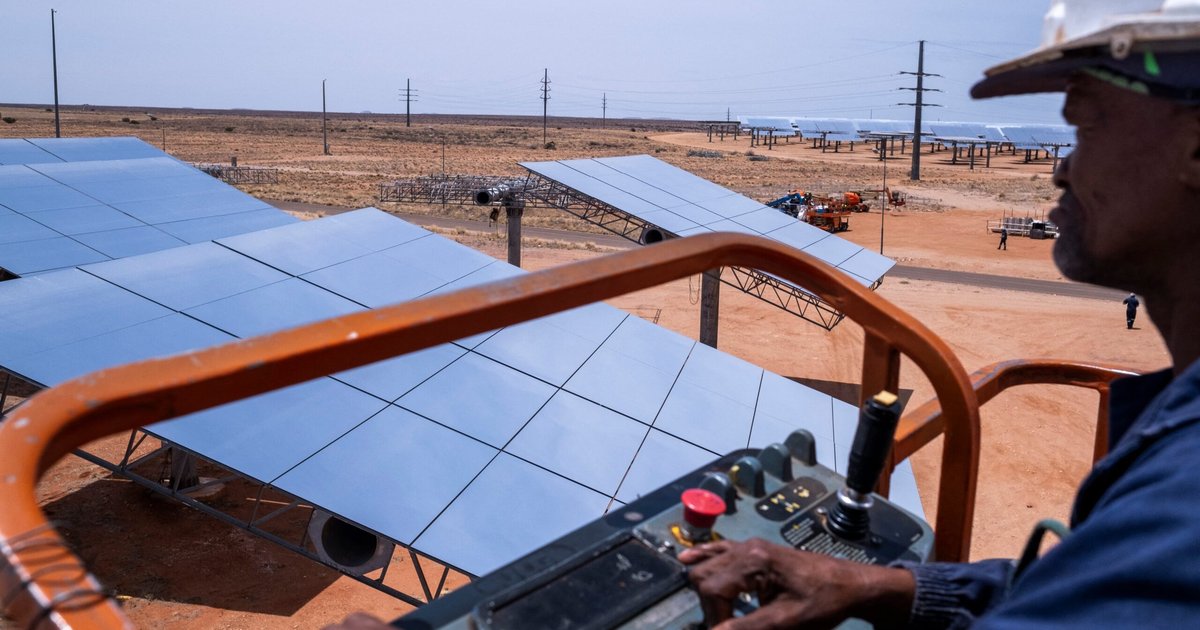
Multiple international entities have announced new funding aimed at expanding electricity access across the African continent, which is considered a significant step towards improving living conditions for millions of people. This funding comes at a critical time as many African nations are experiencing severe energy shortages, directly impacting economic and social development.
This new project aims to provide energy to over 100 million people in Africa, marking a major achievement in the energy sector. It is expected that this funding will enhance investments in renewable energy projects, such as solar and wind energy, thereby strengthening African nations' capacity to meet their energy needs sustainably.
Event Details
This funding was announced during an international energy conference in Nairobi, Kenya, where representatives from various African countries and international organizations gathered to discuss ways to enhance energy access. Several key projects have been identified for funding, including the establishment of solar power stations in remote areas and the development of electricity networks in major cities.
Implementation of these projects is expected to begin in the coming months, with local governments collaborating with non-governmental organizations and the private sector to ensure the success of these initiatives. The importance of transparency and accountability in managing these funds has also been emphasized to ensure that the desired goals are achieved.
Background & Context
Africa is considered one of the continents most affected by energy shortages, with approximately 600 million people living without electricity. This deficiency impacts all aspects of life, including education, healthcare, and economic development. In recent years, many African nations have started taking serious steps to address this issue, but challenges remain.
Historically, Africa has relied heavily on fossil fuels to meet its energy needs, but with increasing awareness of climate change, countries have begun transitioning to renewable energy sources. This new funding is seen as part of this transition, encouraging investment in clean and sustainable energy.
Impact & Consequences
This funding is expected to have a significant impact on the lives of millions of people in Africa. Improved access to electricity will contribute to enhancing education, as students will be able to study under better conditions, and it will also help improve healthcare by providing energy to hospitals and health centers.
Moreover, enhancing energy access will contribute to economic growth, as businesses will be able to operate more efficiently. Investment in renewable energy will also create new job opportunities, thereby enhancing economic stability in the region.
Regional Significance
Although this funding focuses on Africa, it has direct implications for the Arab region. Many Arab countries have strong trade and investment ties with African nations, particularly in the fields of energy and infrastructure. Improving electricity access in Africa could enhance opportunities for cooperation between Arab and African countries in the future.
In conclusion, this funding represents an important step towards improving living conditions in Africa and demonstrates the international community's commitment to assisting developing countries in facing the significant challenges they encounter. The success of these initiatives relies on effective collaboration between governments, the private sector, and civil society.