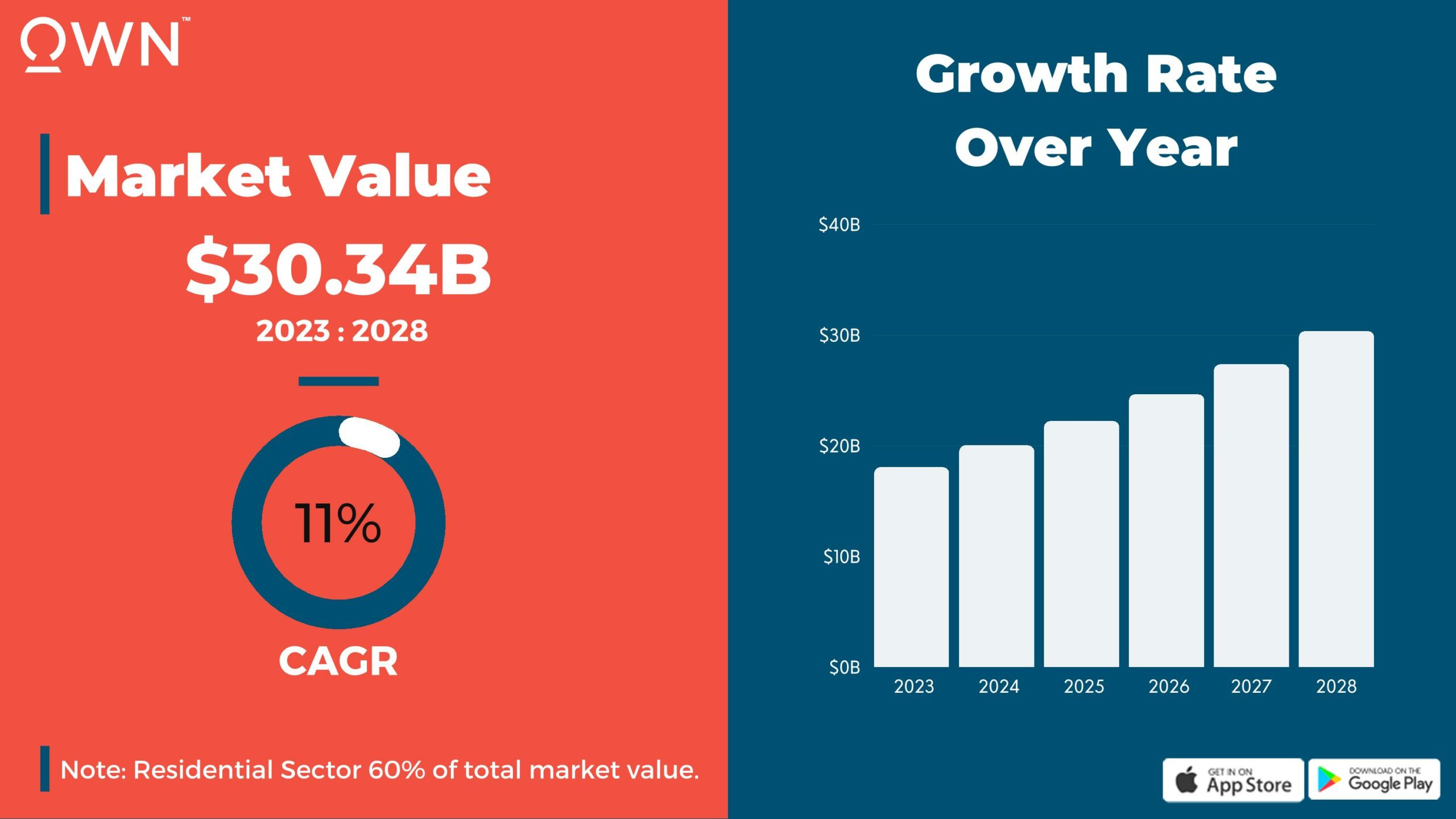
Recent reports indicate that the Egyptian real estate market is experiencing notable changes in price and demand indicators, reflecting a new dynamism in this vital sector. Data shows that prices have seen a significant increase in certain areas, while demand has decreased in others, illustrating the challenges faced by the market.
These indicators come at a sensitive time for the Egyptian economy, as many investors are looking to reassess their investments amid current economic conditions. Studies have shown that there is a disparity in market performance between major cities and rural areas, reflecting differences in demand and supply.
Details of the Event
Reports indicate that areas such as New Cairo and 6th of October have witnessed an increase in property prices by up to 15% over the past year, while prices have declined in other areas, such as some popular neighborhoods. This price disparity reflects changes in demand and supply, as a segment of buyers prefers to invest in areas with advanced infrastructure.
Furthermore, data has shown that the demand for luxury residential units has risen, while the demand for economic units has decreased. This shift may be a result of changing buyer priorities, as many are seeking investments with high returns.
Background & Context
The real estate market in Egypt is considered one of the vital sectors that significantly impacts the national economy. Over the years, this sector has experienced numerous fluctuations due to economic and political crises. Nevertheless, the real estate market continues to maintain its appeal to both local and foreign investors.
Historically, the Egyptian real estate market relied heavily on local demand, but in recent years, foreign investors have begun to enter the market, complicating the real estate landscape. This new trend could contribute to boosting investments and provide a push for the Egyptian economy.
Impact & Consequences
Current indicators suggest that the real estate market may face new challenges in the near future. Rising prices could lead to a decrease in citizens' purchasing power, negatively affecting demand. Additionally, the price disparity between regions may exacerbate the economic gap between social classes.
On the other hand, the increased demand for luxury residential units may attract more foreign investments, potentially enhancing economic growth. However, the government must take effective steps to ensure the sustainability of this growth and alleviate pressures on the most vulnerable classes.
Regional Significance
Egypt is considered one of the largest real estate markets in the Arab region, and any changes in this market could affect neighboring countries. Rising prices in Egypt may lead to increased demand for properties in other countries, such as Jordan and Lebanon, where investors are seeking alternative opportunities.
Moreover, foreign investments in the Egyptian real estate market could enhance economic cooperation among Arab countries, contributing to sustainable development in the region.
In conclusion, the indicators of the Egyptian real estate market remain a significant focus, reflecting the economic and social changes in the country. It is essential to closely monitor these developments to understand their impact on the Egyptian economy and the region as a whole.