China and Pakistan have announced the launch of a new initiative aimed at restoring stability in the Middle East, as both countries seek to enhance regional cooperation in addressing the security and political challenges facing the area. This step is part of ongoing efforts to strengthen bilateral relations between Beijing and Islamabad, reaffirming China's increasing role in international affairs.
The initiative includes a series of practical steps designed to enhance security and stability, including promoting dialogue among concerned nations and providing technical and economic support. Beijing and Islamabad have emphasized the importance of international cooperation in addressing the crises afflicting the region, such as armed conflicts and humanitarian crises.
Details of the Initiative
During a joint press conference, officials from both countries underscored the significance of this initiative, noting that it comes at a sensitive time that requires international efforts to unite. They clarified that the initiative will involve organizing conferences and workshops to discuss security and economic issues, in addition to enhancing cooperation in areas such as counter-terrorism and sustainable development.
It was also emphasized that this initiative is not only aimed at addressing current challenges but also seeks to build a more stable and prosperous future for the region. Officials indicated that China and Pakistan will work together to strengthen relations with other countries in the region, including Arab nations.
Background & Context
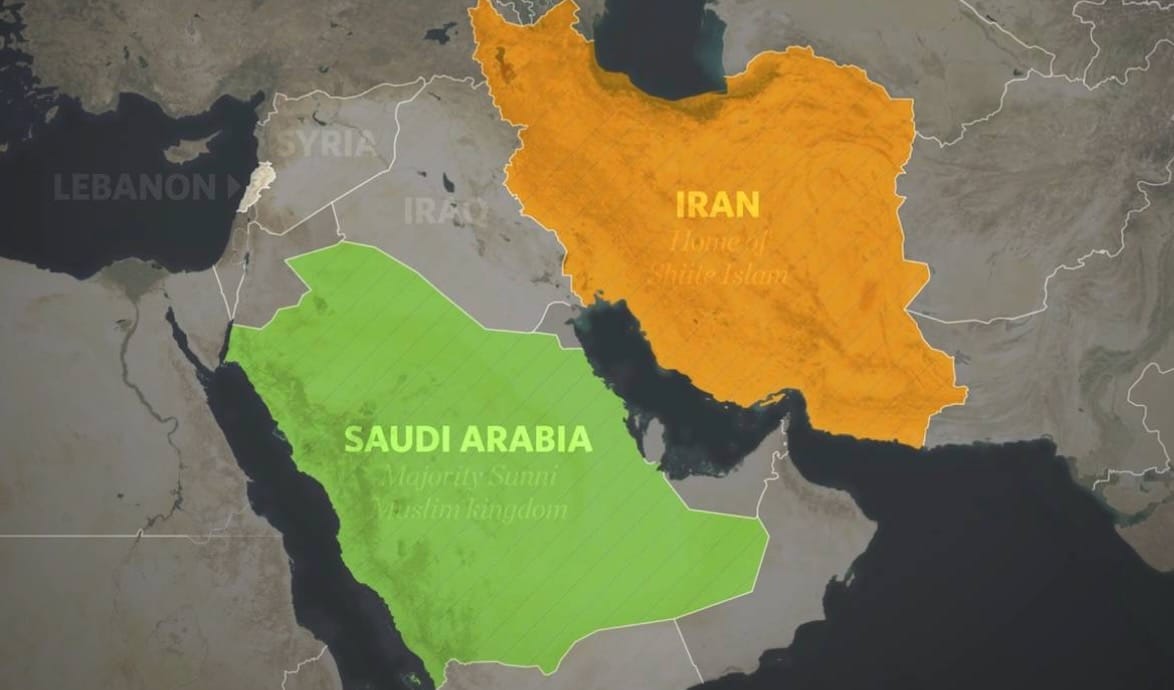
This initiative comes amid escalating tensions in the Middle East, where many countries are suffering from armed conflicts and humanitarian crises. In recent years, there has been an increase in conflicts in countries such as Syria, Yemen, and Libya, exacerbating humanitarian conditions and increasing the need for international intervention.
China, which is seeking to enhance its role as a global power, has begun to expand its influence in the Middle East through economic and political initiatives. Pakistan is considered a strategic partner for China, as both countries aim to enhance cooperation in various fields, including economy and security.
Impact & Consequences
This initiative is expected to have positive effects on stability in the Middle East, as it may contribute to fostering dialogue among conflicting nations and providing practical solutions to crises. Additionally, cooperation between China and Pakistan could encourage other countries to join this initiative, thereby enhancing peace efforts in the region.
Furthermore, this step may lead to strengthening economic relations among the involved countries, potentially opening new avenues for cooperation in areas such as trade and investment. This initiative could contribute to improving economic conditions in the region, benefiting its people.
Regional Significance
The China-Pakistan initiative is an important step in the context of Arab-Chinese relations, as it may help enhance cooperation between Arab countries and China. This initiative could open the door for Arab nations to benefit from Chinese expertise in areas such as development and security.
Moreover, enhancing stability in the Middle East could positively reflect on the economic and social conditions in Arab countries, aiding in achieving sustainable development. Thus, this initiative represents a new opportunity for Arab nations to strengthen their role in the regional and international landscape.