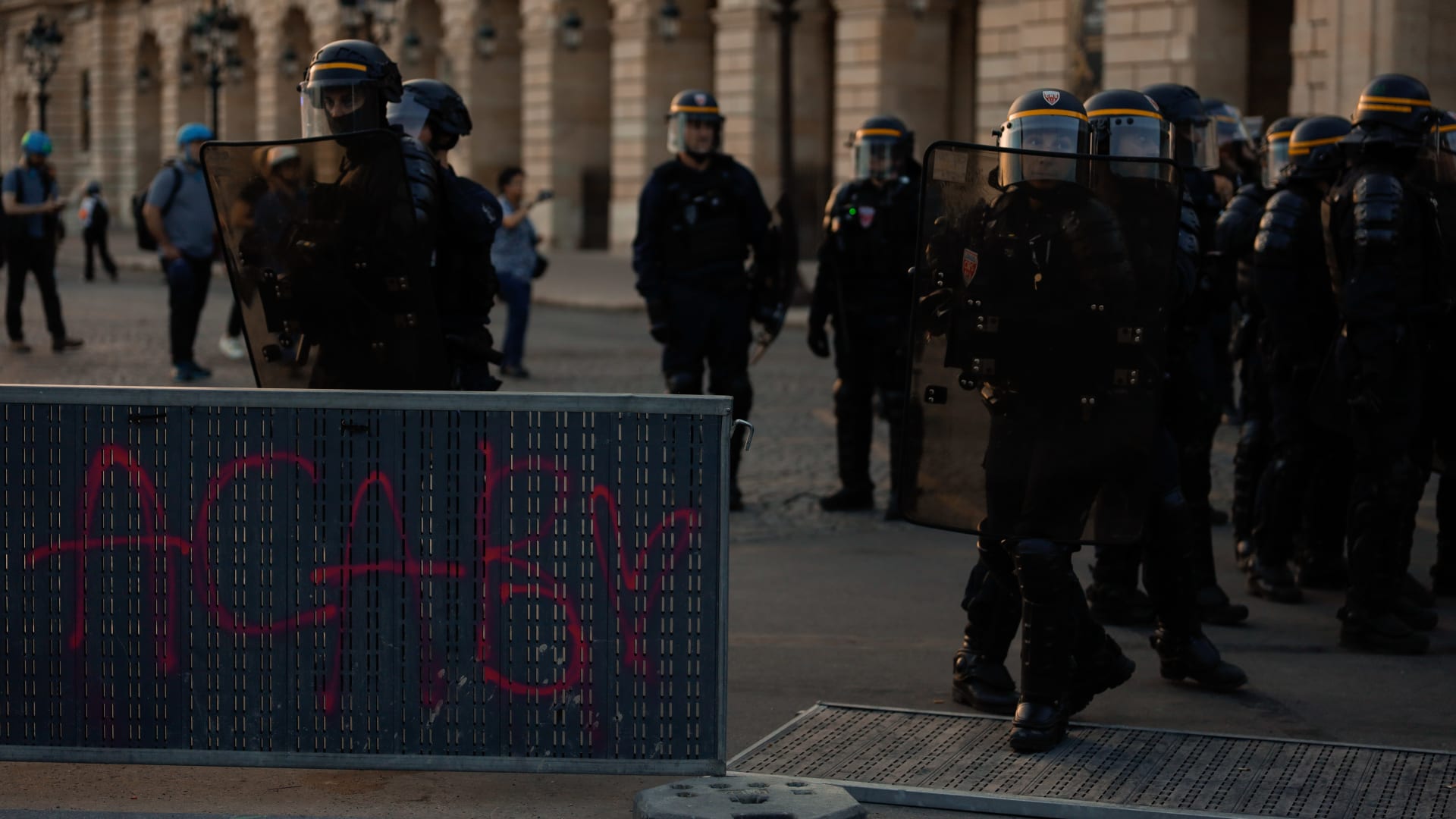
In a controversial move, French Interior Minister Laurent Nunez announced on Tuesday, March 24, a new bill named the "Response Law," which aims to strengthen police powers in the country. This law includes a set of measures designed to create a "shock of authority and effectiveness," which has raised widespread concern in judicial circles.
Among the most contentious points of this bill is the abolition of recording individuals detained in police stations, a measure that many consider a threat to individual rights and legal protections. This announcement comes at a time when France is experiencing extensive debate over human rights and the role of police in society, especially following a series of protests that have occurred in the country in recent years.
Details of the Legislation
The "Response Law" aims to enhance police effectiveness in combating crime, incorporating new measures such as expediting arrest procedures and expanding police powers in dealing with suspects. This bill has been introduced as part of the French government's efforts to combat crime and improve public safety, particularly in light of the increasing challenges facing the country.
However, the abolition of recording detainees raises significant concerns regarding transparency and accountability. Many believe that this measure could lead to human rights violations and foster a culture of impunity within security forces.
Background & Context
Historically, France has witnessed numerous debates regarding the role of police and individual rights. In recent years, protests against police practices have escalated, particularly following incidents of police-related violence. These events have led to increasing calls for legal reforms aimed at protecting individual rights and enhancing transparency in the operations of security agencies.
The "Response Law" comes at a sensitive time, as the French government seeks to strike a balance between enhancing security and protecting human rights. The government has faced criticism from local and international human rights organizations, which have warned that these measures could exacerbate the security situation rather than improve it.
Impact & Consequences
The "Response Law" could have far-reaching effects on the relationship between police and citizens in France. If this law is passed, it may lead to heightened tensions between the community and security forces, potentially negatively impacting public safety. Additionally, the abolition of recording detainees may open the door to further violations, raising concerns among human rights advocates.
Moreover, these measures could affect France's international image, as it is viewed as a country that respects human rights. If the government faces criticism due to these policies, it could impact diplomatic relations with other countries and international organizations.
Regional Significance
Issues related to human rights and the role of police are sensitive topics in many Arab countries. France's experience in this context could serve as a lesson for Arab nations facing similar challenges in dealing with security issues and individual rights. French policies may influence discussions about security reforms in the region, as many countries strive to achieve a balance between security and human rights.
In conclusion, the "Response Law" emerges as a controversial step in the path of enhancing police powers in France, raising questions about individual rights and protections. The challenges faced by the French government in this context may serve as a model for other countries seeking to achieve security without compromising human rights.