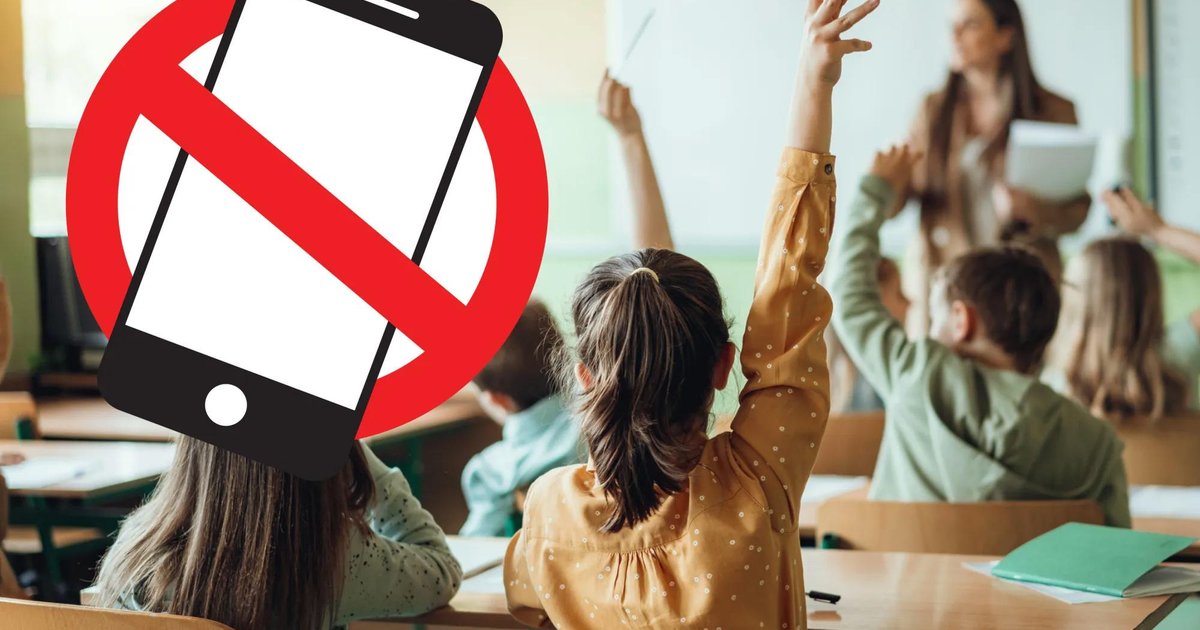
The education department in South Sulawesi, Indonesia, has announced new measures aimed at reducing smartphone and social media usage among high school students. This announcement was made by the head of the education department in the region, Iqbal Najmuddin, who emphasized the importance of establishing clear operational standards to ensure the effective implementation of these measures.
Najmuddin explained during a special event in the city of Makassar that these measures are a response to the negative impacts that excessive smartphone use can have, adversely affecting children's growth and their social and psychological development. He pointed out the necessity for schools to prepare designated areas for storing smartphones during school hours, ensuring they are not used at inappropriate times.
Details of the Initiative
As part of these measures, schools will collect smartphones in a designated area when students enter the school or at the start of classes. The education department will monitor the implementation of these measures through regular evaluations to ensure that the desired goals are achieved. Najmuddin stressed the importance of school principals taking responsibility for effectively applying these policies.
Despite these restrictions, Najmuddin clarified that smartphone use will not be completely banned, as they can be utilized in certain situations, such as educational activities that require technology or in emergencies. This reflects a balance between the need to use technology in education and the urgent necessity to mitigate its negative impacts.
Background & Context
This step comes at a time when global concerns about the impact of social media and technology on children and adolescents are increasing. Multiple studies have shown that excessive smartphone use can lead to issues such as depression, anxiety, and social isolation. In Indonesia, where the number of smartphone users among youth is rising, this issue has become more pressing.
In recent years, many countries have taken similar steps to limit smartphone use in schools. For example, some schools in France have imposed a complete ban on smartphone use during school hours, contributing to improved focus and academic performance among students.
Impact & Consequences
These measures are expected to enhance the educational environment in schools by helping to reduce distractions caused by smartphone use. They will also contribute to fostering social interaction among students, which may lead to improved relationships among them. However, effective strategies must be in place to ensure that students do not feel isolated or deprived of communication with their peers.
This approach is seen as a positive step towards promoting the mental and social well-being of students, but its success requires cooperation from all stakeholders, including parents, teachers, and the students themselves.
Regional Significance
The issue of smartphone use among youth in the Arab world is also a contentious topic, with many students experiencing similar negative effects. Arab countries could benefit from Indonesia's experience in establishing clear standards for technology use in schools, which would contribute to improving the quality of education and enhancing the mental health of students.
In conclusion, this initiative in Indonesia serves as a model for addressing the challenges posed by modern technology, reflecting the importance of balancing technology use with the healthy growth needs of children.