In a move aimed at addressing the growing challenges faced by the healthcare system in Germany, a committee of experts presented a plan comprising 66 points last Monday. This plan seeks to reduce the increasing contributions that Germans pay into the health insurance system, which is considered one of the most expensive in the world.
Statistics show that public health insurance companies alone spend approximately 1 billion euros (around 1.15 billion dollars) daily on healthcare, and these expenses are expected to rise further in the coming years. At the same time, contributions from Germans to health insurance have increased by 3% this year, following a previous increase of 2.5% in 2025.
Event Details
Despite the increase in contributions, the expenses of public insurance companies are rising at a faster rate. Graphs presented by the committee indicated that the expected deficit between the revenues of insurance companies and their expenditures will grow from 15.3 billion euros in 2027 to 40.4 billion euros in 2030. The committee, which comprises ten members from the fields of economics, medicine, and social law, has been tasked with providing a wide range of proposals, as it is unlikely that the government will be able to implement all of them for political reasons.
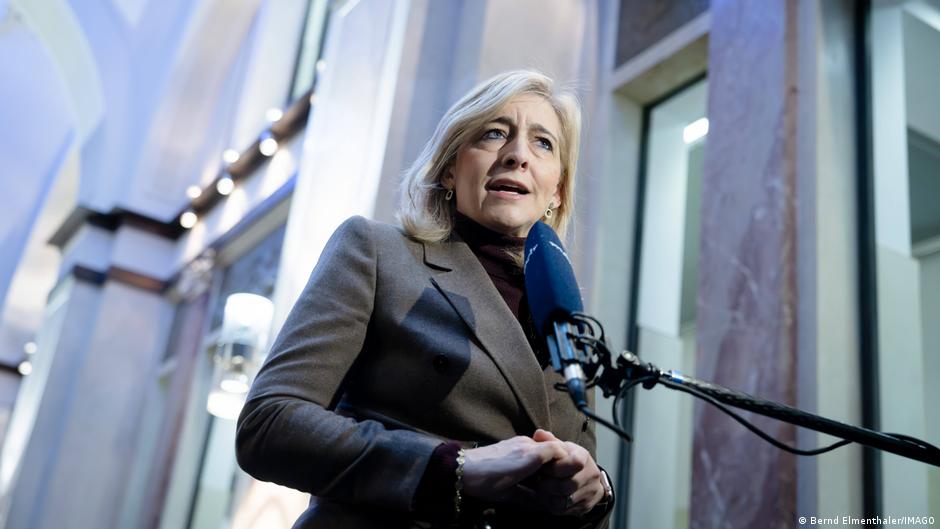
Federal Health Minister Nina Ferkel from the Christian Democratic Union expressed her gratitude to the committee for presenting a comprehensive set of proposals, emphasizing the importance of not overburdening the insured. She confirmed that the foundations of the solidarity-based healthcare system would not be compromised.
Background & Context
The healthcare system in Germany is characterized by a dual system based on contributions from employees and employers. Health insurance is mandatory for all citizens, with public insurance covering approximately 90% of the population, and they are not allowed to refuse anyone. Meanwhile, 10% of the population opts for private insurance, which often provides greater coverage.
However, critics have previously raised concerns that hospitals and doctors are incentivized to recommend expensive and unnecessary treatments, which burdens health insurance companies and increases contributions. Therefore, the proposals put forth by the committee aim to address these issues and alleviate the financial burden on the system.
Impact & Consequences
These proposals are considered an important step towards achieving sustainability in the healthcare system in Germany, as the increasing deficit could lead to serious repercussions on the quality of healthcare. If effective measures are not taken, the system may face a severe crisis affecting all citizens, placing additional pressure on the government to provide effective solutions.
The proposals are expected to be examined swiftly, as the Health Minister has pledged to prepare a draft law to present to the government by summer. This move could pave the way for comprehensive reforms in the healthcare system, but success will depend on the government's ability to confront political challenges.
Regional Significance
The German healthcare experience is seen as a model for many countries, including Arab nations. Many of these countries face similar challenges in their healthcare systems, such as rising costs and resource shortages. The German proposals may provide valuable lessons for Arab countries on how to manage their healthcare systems more efficiently.
In conclusion, this development in Germany represents an opportunity to rethink how healthcare systems are managed worldwide, including in the Arab world, where well-considered reforms could lead to improved care quality and reduced financial burdens on citizens.