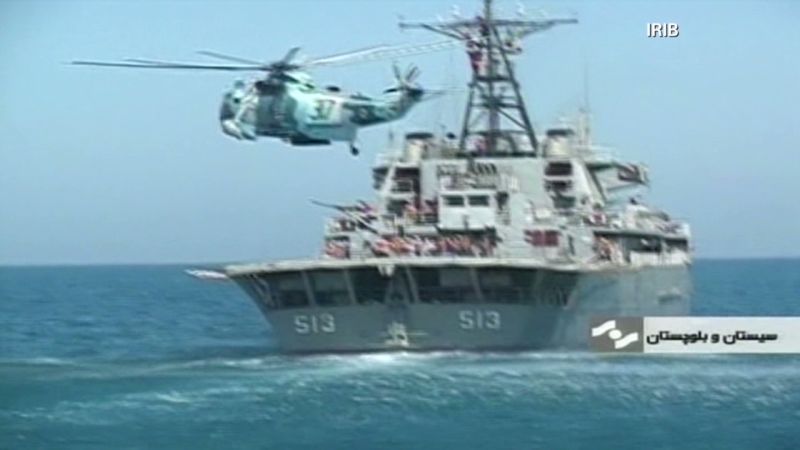
President Donald Trump has announced the initiation of measures to control the Strait of Hormuz, a move that comes amid escalating regional tensions. These measures aim to enhance security in one of the world's most vital maritime corridors.
The Strait of Hormuz is a critical point for oil and gas transportation, with approximately 20% of global oil supplies passing through it. The region has witnessed increasing tensions between Iran and the United States in recent years, raising concerns about the safety of navigation in this strategic passage.
Details of the Announcement
During a press conference, Trump confirmed that the United States would take effective steps to ensure the safety of navigation in the Strait of Hormuz. He indicated that these measures include bolstering the American military presence in the region, as well as collaborating with allies to ensure freedom of navigation.
Trump clarified that these steps are a response to Iranian threats, which include targeting commercial vessels and threatening international navigation. He also urged other countries to join security coalitions to ensure the safety of this vital corridor.
Background & Context
The Strait of Hormuz, which separates Iran from Oman, is one of the busiest maritime passages in the world. Historically, the region has seen numerous crises, from the Iran-Iraq War in the 1980s to the current tensions between Iran and the United States.
In recent years, tensions have escalated following the U.S. withdrawal from the Iranian nuclear deal in 2018, leading to the imposition of stringent economic sanctions on Tehran. In response, Iran began taking escalatory steps, including threatening navigation in the Strait of Hormuz.
Impact & Consequences
Trump's new measures serve as a warning to Iran and may lead to heightened tensions in the region. Experts believe that these steps could impact global oil prices, as any escalation in the area may raise concerns about oil supply.
Furthermore, these measures could increase tensions between the United States and its allies on one side, and Iran on the other, threatening the overall stability of the region.
Regional Significance
The Arab countries neighboring the Strait of Hormuz, such as the United Arab Emirates and Saudi Arabia, are among the most affected by these tensions. Any escalation in the region could impact the Gulf economies, which heavily rely on oil exports.
Additionally, these measures may lead to increased security cooperation between Arab nations and the United States, potentially altering the dynamics of regional relations.
In conclusion, the situation in the Strait of Hormuz remains under close observation, as any new developments could significantly affect security and stability in the region.