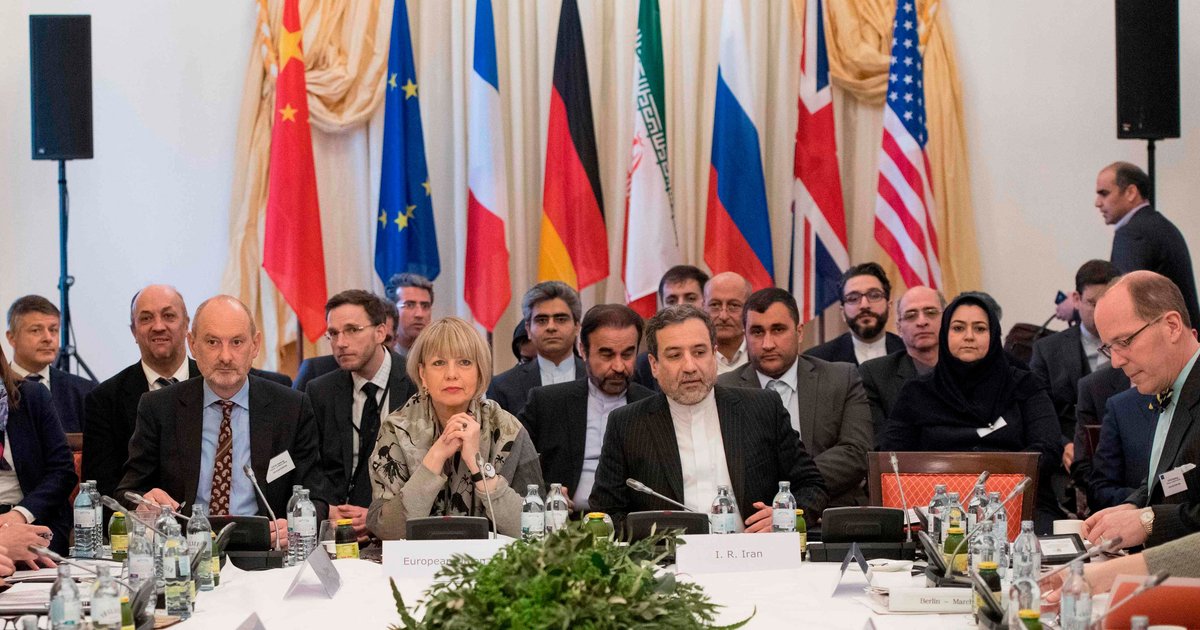
Islamabad is preparing to host a new round of negotiations between the United States and Iran, scheduled for this coming Friday. These discussions are part of diplomatic efforts aimed at easing the tensions that have notably escalated between the two countries in recent times.
Washington aims to revive the Iranian nuclear deal, from which it withdrew in 2018. Meanwhile, Tehran hopes to secure economic guarantees and relief from the sanctions imposed on it.
Details of the Event
The upcoming negotiations will bring together representatives from both sides, expected to address several issues related to the Iranian nuclear program, as well as regional security matters. This step follows a series of informal meetings that have taken place recently, demonstrating both parties' willingness to engage in dialogue.
Islamabad, playing the role of mediator in these negotiations, hopes that these efforts will contribute to enhancing regional stability. Diplomatic sources have confirmed a cautious optimism regarding the outcomes of these talks.
Background & Context
The history of relations between the United States and Iran is fraught with tensions and conflicts. Since the Iranian Revolution in 1979, the relationship between the two countries has deteriorated continuously, with escalating disputes over Iran's nuclear program and Tehran's support for various armed groups in the region.
In recent years, several countries, including Pakistan, have attempted to act as mediators in efforts to alleviate tensions. These negotiations come at a critical moment, as fears of potential military escalation in the region are on the rise.
Impact & Consequences
If the negotiations succeed in achieving tangible progress, they could lead to a relaxation of the economic sanctions imposed on Iran, which would help improve the country's economic situation. Furthermore, a successful outcome may open the door for increased regional cooperation in various fields, including counter-terrorism and maritime security.
On the other hand, if the negotiations fail, we may witness an escalation of tensions, negatively impacting regional security and intensifying conflicts in the Middle East.
Regional Significance
The relationship between the United States and Iran significantly influences the Arab region, as Tehran plays a pivotal role in many regional conflicts. Successful negotiations could contribute to stabilizing some Arab countries suffering from the effects of the Iranian-American conflict.
Conversely, any escalation in tensions could increase security risks in the region, adversely affecting neighboring Arab states. Therefore, Arab nations are closely monitoring these negotiations, hoping for positive outcomes.