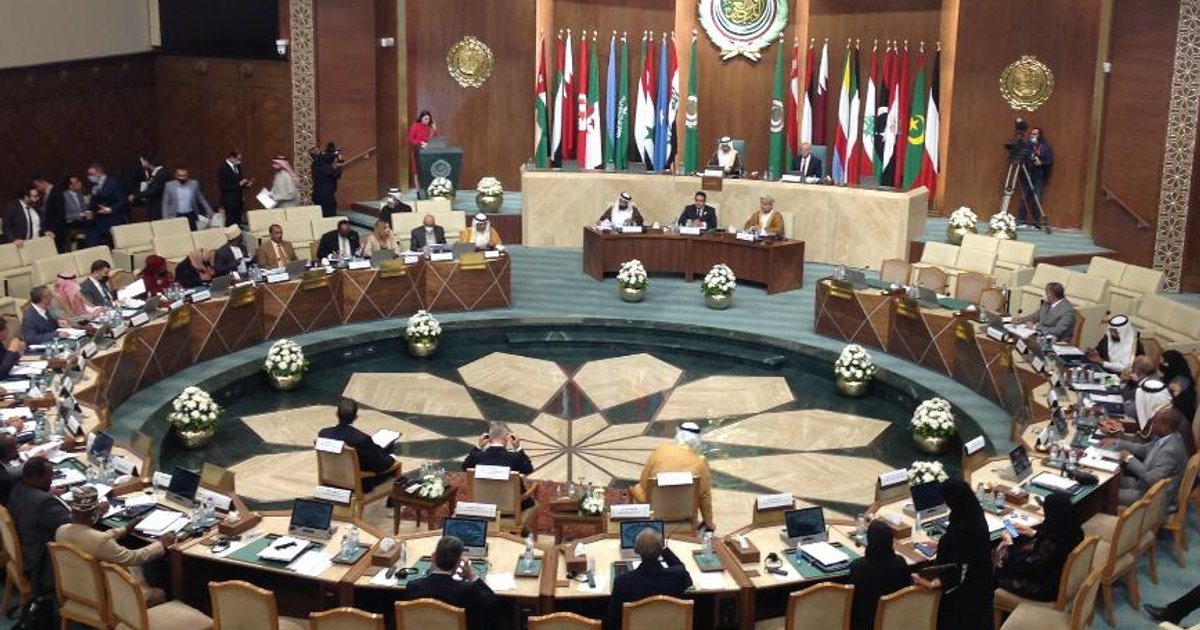
The Arab region is witnessing significant political transformations that require careful analysis. These changes come amidst internal and external challenges impacting the stability of the area.
Recently, political reports have highlighted a series of events reflecting the radical changes in Arab policies. These events include political tensions, economic crises, and armed conflicts affecting several countries, placing the region at a crossroads.
Details of the Events
The challenges facing Arab countries are increasing, as popular protests escalate in some nations due to deteriorating economic conditions. Additionally, armed conflicts in countries like Syria, Libya, and Yemen continue to cast shadows over regional stability. In this context, some governments are seeking to take urgent measures to address these crises, complicating the political landscape further.
On the other hand, some countries are striving to enhance regional cooperation through diplomatic initiatives aimed at achieving peace and stability. These initiatives include peace talks between conflicting parties and providing humanitarian support to those affected by the conflicts.
Background & Context
Historically, the Arab region has witnessed numerous political transformations since the Arab Spring in 2011, which led to radical changes in governance systems in some countries. However, the outcomes have been varied, with some nations achieving relative stability while others have suffered from chaos and ongoing conflicts.
It is noteworthy that external interventions in Arab affairs have also contributed to complicating the situations. Major powers play a pivotal role in determining the fate of some Arab countries, increasing tensions and complicating peace efforts.
Impact & Consequences
These political transformations directly affect the lives of Arab citizens, as fears of worsening economic and social crises grow. Furthermore, ongoing conflicts lead to mass displacement of civilians, placing additional pressures on neighboring countries.
Moreover, political stability in the region is closely linked to regional and international security. Tensions in Arab countries can affect oil prices, international trade, and relations between major powers.
Regional Significance
Recent events confirm that the Arab region is undergoing a sensitive phase that requires concerted efforts from all concerned parties. Cooperation among Arab countries can contribute to achieving security and stability and enhance opportunities for economic development.
In conclusion, challenges remain, but hope for achieving peace and stability still exists. This requires strong political will and effective cooperation between Arab countries and the international community.