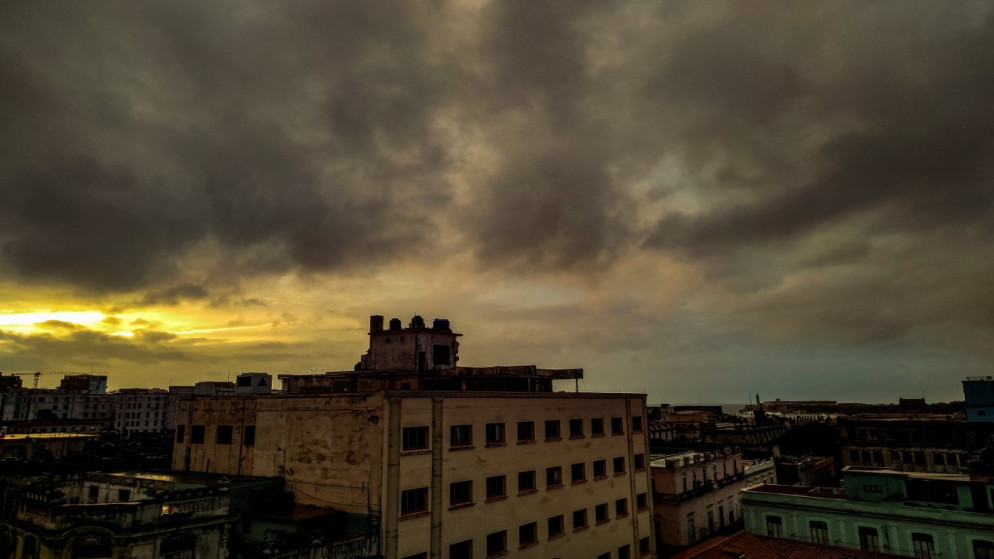
Cuba faced another power outage last Saturday, marking the second energy crisis the country has experienced in just one week. These incidents come amid escalating tensions between Havana's government and the US administration, which imposes a stifling economic embargo on the island, making it increasingly difficult to secure the fuel necessary to operate power plants.
This blackout is not a new issue for Cuba, as the country chronically suffers from energy supply problems and a power grid that has deteriorated over the past few decades. Cuba has been severely affected by economic crises resulting from the US embargo, which has lasted for decades and led to a severe shortage of resources, including essential fuel for energy generation.
Historically, the US embargo is part of a long-standing context of tensions between Havana and Washington. Since the Cuban Revolution in 1959, the United States has repeatedly attempted to undermine the Cuban regime, leading to a decline in economic and social conditions. Power outages are not merely emergencies; they represent a deeper crisis that the country suffers from due to international isolation and ongoing economic pressures.
What exacerbates the situation is that Cuba is not alone in this challenge, as citizens are directly affected by these events. A power outage means a lack of water and communication services, creating a growing sense of anxiety among the population. These outages could lead to civil protests, as witnessed last summer when the country saw a wave of protests against President Miguel Díaz-Canel's government.
Regionally, the situation in Cuba reflects greater challenges faced by many Latin American countries, such as Venezuela and Nicaragua, where governments are grappling with economic pressures and international isolation. Events in Cuba raise concerns about regional stability, given that any disruption in one country can affect its neighbors.
As many Cuban citizens seek to improve their living conditions, attention may turn towards the international community to pressure the United States into easing the embargo and providing necessary support. Efforts to improve the electrical grid require significant investments, which seem far-fetched under the current situation.
The recent power outages come at a sensitive time, as Cuba prepares for new elections next year, adding to the political and economic complexities the government faces. Addressing these issues will require substantial efforts; without an effective solution, the situation may worsen and lead to unpredictable consequences.
Considering all these circumstances, Cuba's future appears uncertain in light of current challenges. The country needs to enhance its energy infrastructure to cope with the ongoing economic crisis and provide essential services to its citizens. The words echoed in Cuban circles are hopes for change and improvement, but these hopes also require efforts from the international community.
Every power outage serves as a wake-up call not only for the Cuban authorities but also for international stakeholders monitoring developments in the region. Embracing dialogue and finding new solutions may be the only way to avoid further crises in Cuba.