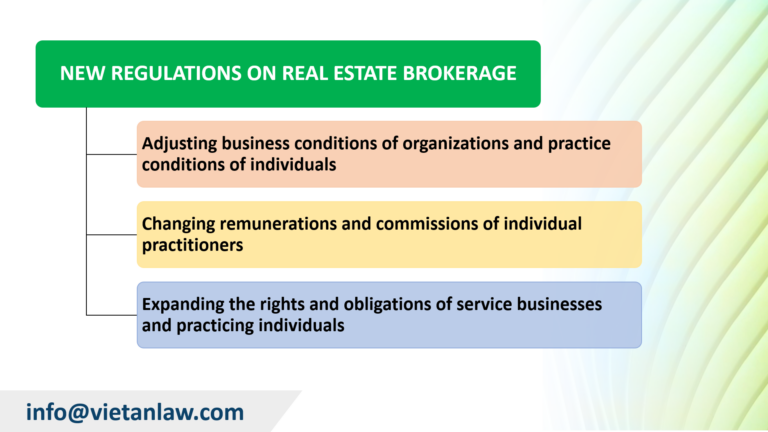
The Egyptian Ministry of Housing, Utilities, and Urban Communities has announced a set of new regulations aimed at organizing real estate brokerage activities. This initiative is part of the government's efforts to develop the real estate market and enhance transparency in real estate transactions.
The new regulations include specific conditions that brokers must adhere to, such as obtaining a license to operate and registering client and transaction data. Additionally, specific fees have been established for obtaining the license, which will help regulate the market and limit illegal practices.
Details of the New Regulations
The new regulations also require brokers to provide accurate data regarding properties available for sale or rent, as well as verifying the authenticity of the submitted documents. The importance of legal awareness for brokers has been emphasized to ensure their full understanding of the legal obligations associated with conducting business.
These regulations are expected to improve the quality of services provided by brokers, thereby enhancing client trust in the real estate market. They will also help reduce legal disputes that may arise from improper practices.
Background & Context
The real estate market in Egypt has witnessed significant growth in recent years; however, this growth has been accompanied by challenges such as the prevalence of unlicensed brokers and illegal practices. Therefore, there has been an urgent need to establish regulations that govern this activity and ensure the rights of all parties involved.
This step comes at a time when the real estate market is undergoing major transformations, as the government seeks to attract both foreign and local investments by improving the business environment and providing legal protections for investors.
Impact & Consequences
The new regulations are expected to enhance competition in the real estate market, as they will contribute to increasing the efficiency of licensed brokers. These regulations will also help protect consumer rights and promote transparency in real estate transactions.
Moreover, this initiative may lead to increased confidence in the Egyptian real estate market, encouraging more investors to enter the market, both domestically and internationally.
Regional Significance
Egypt's experience in regulating real estate brokerage activities serves as a model that other Arab countries facing similar challenges in their real estate markets can benefit from. These regulations may inspire other nations to implement similar policies aimed at enhancing transparency and organizing the market.
Amid the economic challenges faced by many Arab countries, these steps can contribute to improving the investment climate and fostering economic growth.
In conclusion, the new regulations for conducting real estate brokerage activities represent a positive step towards organizing the market and enhancing transparency, which contributes to improving the investment environment in Egypt.