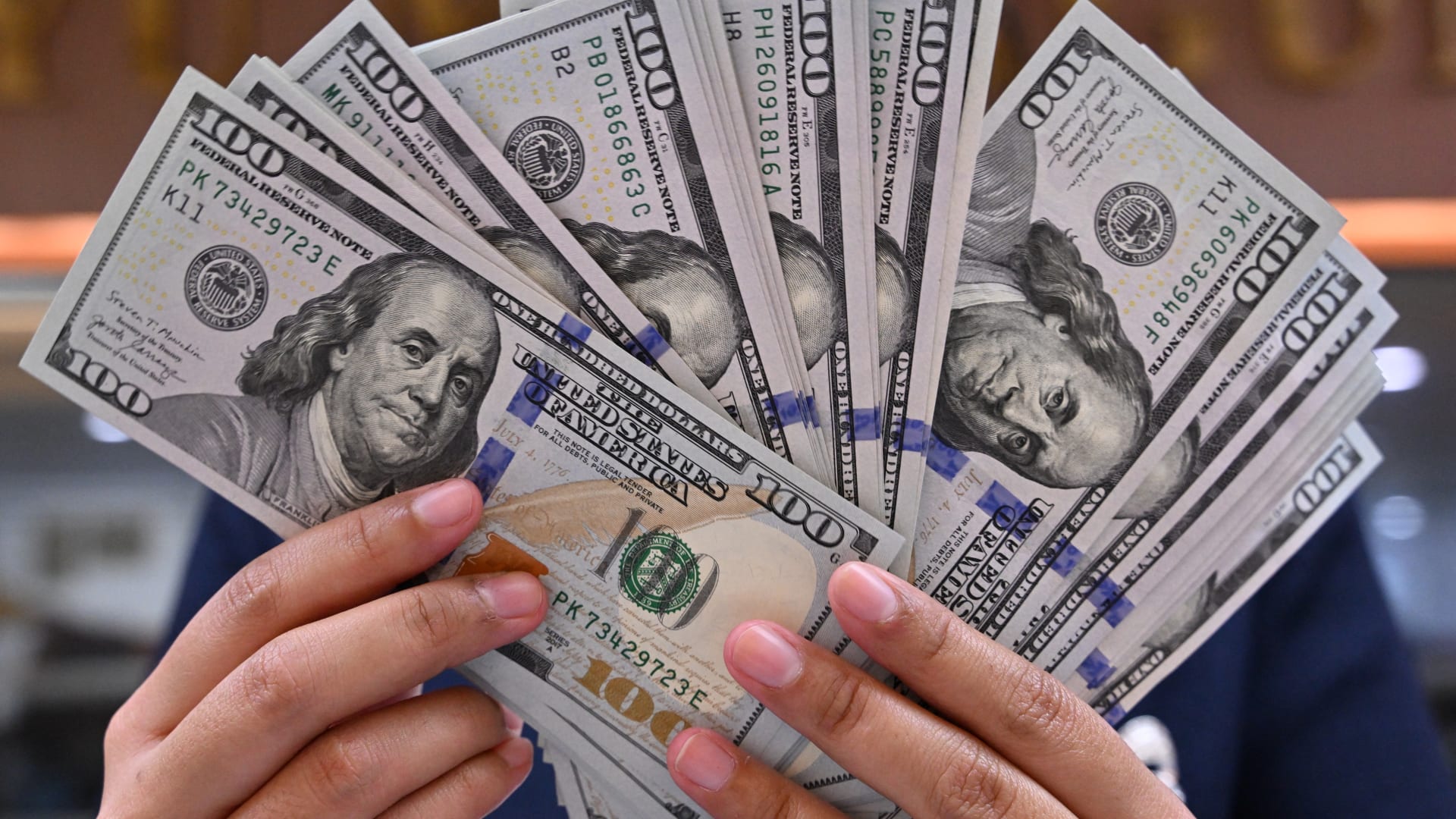
Mark McCormick, the chief forex strategist at BMO, emphasized the importance of investing in the US dollar, pointing to several factors that support this trend. During his discussion with Katie Greifeld and Romina Pustek on 'The Close', McCormick explained that the dollar is an attractive option given the current economic conditions.
McCormick noted that there are three main factors supporting the dollar: yield, economic growth, and safe-haven demand. These factors make the dollar a preferred choice for investors during times of economic uncertainty.
Event Details
In his remarks, McCormick clarified that the US dollar enjoys significant strength in financial markets, especially amid global economic challenges. With increasing fears of recession in some major economies, the dollar remains a safe haven for investors. He also pointed out that high yields on US bonds make the dollar more attractive compared to other currencies.
Moreover, McCormick affirmed that economic growth in the United States remains robust, which bolsters the dollar's position in global markets. Under these circumstances, he advises investors to continue investing in the dollar, especially during declines in its value.
Background & Context
Historically, the US dollar is considered the most widely used currency in the world, representing about 60% of foreign currency reserves. In recent years, the dollar has experienced significant fluctuations due to economic and political crises. However, the strength of the US economy and its ability to recover from crises make the dollar a preferred choice for investors.
Furthermore, the monetary policies of the US Federal Reserve play a crucial role in determining the value of the dollar. The Fed's interest rate hikes enhance the dollar's value, making it more appealing to investors.
Impact & Consequences
The strength of the US dollar directly affects the global economy. When the dollar rises, it can lead to increased costs for imported goods, impacting inflation in other countries. Additionally, a strong dollar may result in a decline in US exports, as American goods become more expensive in foreign markets.
On the other hand, a weaker dollar can boost US exports, aiding economic growth. Therefore, investors and analysts closely monitor dollar movements and their impact on the global economy.
Regional Significance
The Arab region is among the areas most affected by fluctuations in the US dollar. Many Arab countries rely on the dollar for their international trade, making them susceptible to the effects of rising or falling dollar values. For instance, a stronger dollar can increase import costs, affecting inflation in Arab nations.
Moreover, countries that depend on oil exports, such as Saudi Arabia and Iraq, may be significantly impacted by dollar fluctuations, as oil prices are often denominated in dollars. Thus, tracking dollar movements is vital for Arab countries to ensure the stability of their economies.
In conclusion, given the current economic conditions, the US dollar is likely to remain a preferred choice for investors. As economic challenges continue, it remains essential to monitor developments in the dollar and their impact on global markets, especially in the Arab region.