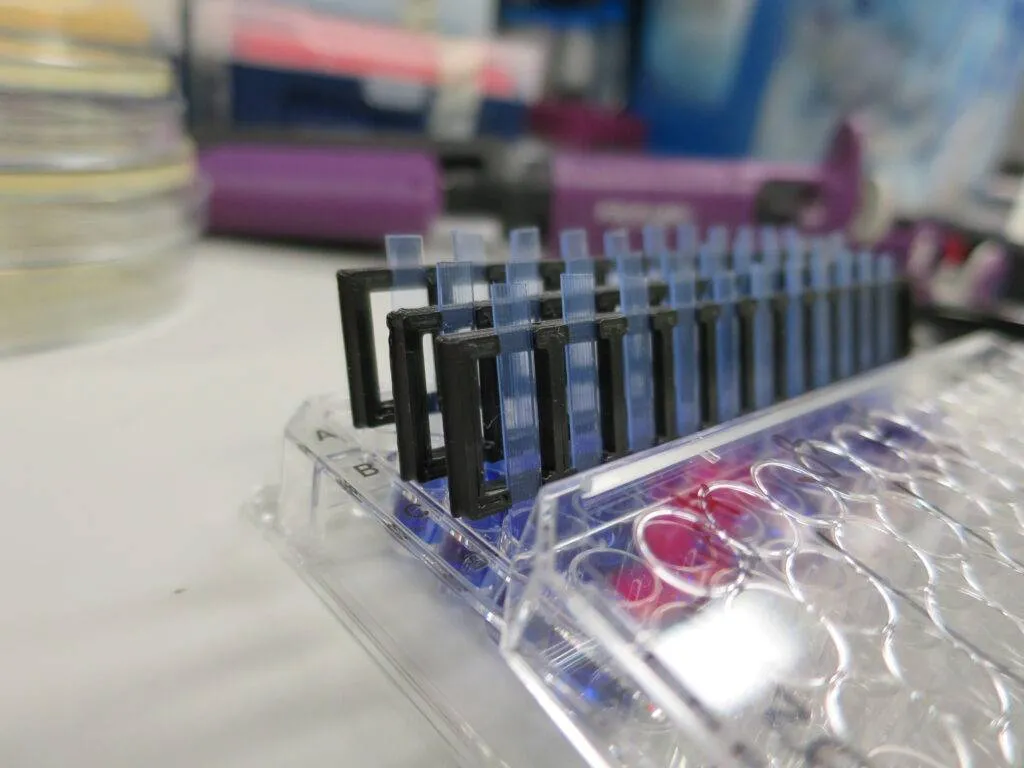
Researchers at the University of Reading in the UK have unveiled a new urine test that allows for the identification of the appropriate antibiotic for treating urinary tract infections within hours, rather than the days required by traditional methods. This test represents a significant step towards improving patient care and reducing health risks associated with these infections.
Urinary tract infections (UTIs) are common infections that affect various parts of the urinary system, such as the kidneys, bladder, and ureters. Symptoms of these infections typically manifest as a burning sensation during urination, frequent urination, and sometimes pain in the lower abdomen or pelvis. Women are more susceptible to these infections. If not treated appropriately, the infection can spread to the kidneys, leading to serious complications such as fever or sepsis.
Details of the New Test
The traditional methods for treating urinary tract infections rely on laboratory culturing of bacteria, a process that usually takes two to three days. The new test, however, involves dipping a slide containing tiny tubes loaded with different antibiotics directly into a urine sample. Bacterial growth is monitored using optical imaging, and if growth stops in one of the tubes, this indicates the effectiveness of the antibiotic present in it.
A study involving 352 urine samples taken from patients suspected of having urinary tract infections showed that doctors were able to identify the appropriate antibiotic within an average time of just 5.85 hours, representing a significant improvement compared to traditional methods. The results also showed a 96.95% agreement with reference methods when testing seven antibiotics used as first-line treatments.
Background & Context
Urinary tract infections are a public health issue affecting millions of people worldwide. According to the World Health Organization, these infections are one of the leading causes of patient visits to clinics. In recent years, concerns about antibiotic resistance have increased, making the development of new methods for diagnosing and treating these infections essential.
Antibiotic resistance requires a swift response from the medical community, as inappropriate use of antibiotics can lead to the emergence of resistant bacterial strains. Therefore, the new test provides an effective solution to mitigate these risks by ensuring the appropriate treatment is selected from the first attempt.
Impact & Consequences
This test is an important step in addressing global challenges related to antibiotic resistance. By accelerating the process of identifying the appropriate treatment, the time patients are exposed to ineffective treatment can be reduced, thereby minimizing the risk of infection outbreaks. Additionally, this test may contribute to improving treatment outcomes and reducing healthcare costs associated with delayed treatment.
Researchers emphasize that obtaining the correct treatment from the first attempt can be life-saving, as the rapid test provides results on the same day, potentially changing the way these infections are managed in medical practice.
Regional Significance
In the Arab region, urinary tract infections are a common health issue, particularly among women. The development of this test could help improve healthcare and reduce health risks associated with these infections. Furthermore, enhancing access to effective treatments can help alleviate the health and economic burdens on healthcare systems in Arab countries.
In conclusion, this new test represents an important scientific achievement that could change the way urinary tract infections are diagnosed and treated, contributing to improved healthcare quality and reducing the risks associated with these infections.