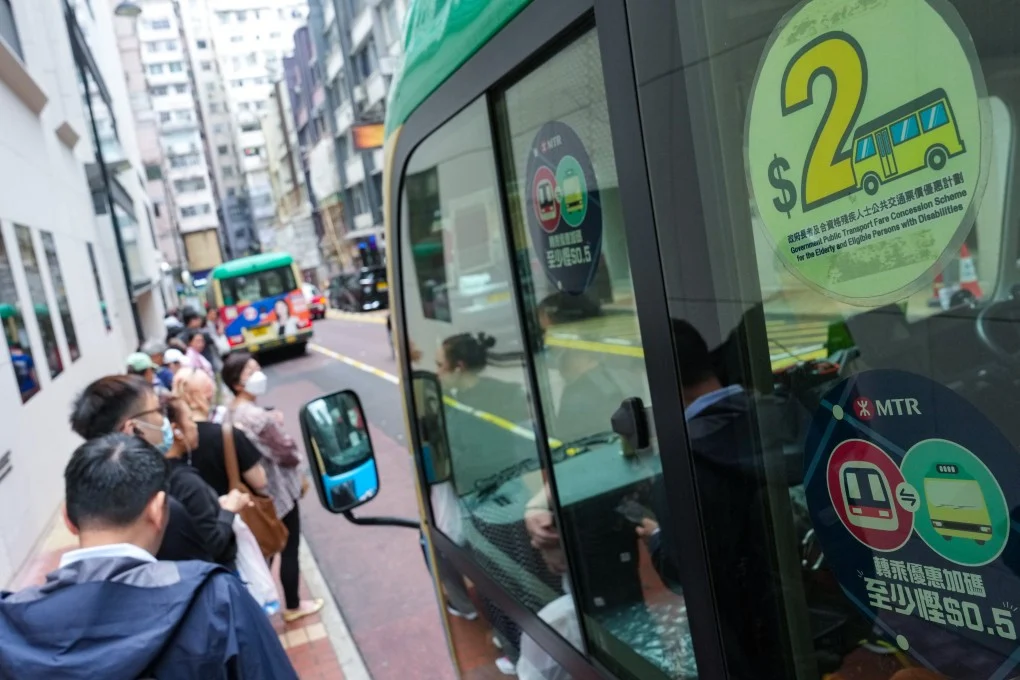
Recent changes to the transportation pricing system in Hong Kong, effective Friday, have raised concerns among seniors about the financial burdens they may face. Many express apprehension about using the newly priced buses, reflecting the economic challenges faced by the elderly population in the city.
Chris Sun Yuk-han, the Secretary for Labour and Welfare, confirmed that the implementation of the new arrangements went smoothly on the first day. He noted that the government continues to subsidize a significant portion of ticket prices, which helps alleviate the financial burden on citizens.
Details of the Changes
The revised transportation pricing system has come into effect in Hong Kong, with the new ticket price set at 2 Hong Kong dollars (approximately 26 US cents). However, this adjustment has raised concerns among seniors, particularly those living in economically challenging conditions. Some have expressed hesitation in using the higher-priced buses, which may affect their ability to travel freely.
This adjustment comes at a time when many families are experiencing increasing economic pressures, highlighting the importance of providing affordable transportation options for seniors. Some elderly individuals have indicated that they may have to reduce their travel due to rising costs.
Background & Context
Hong Kong is one of the most densely populated cities in the world, home to a significant number of elderly residents. As the elderly population continues to grow, the need for accessible and affordable transportation services becomes increasingly critical. Historically, the government has provided substantial support for transportation costs, but recent adjustments suggest a policy shift that may impact the most vulnerable groups.
In recent years, Hong Kong has witnessed widespread protests against rising living costs, reflecting public concern over increasing financial burdens. These tensions have led to calls for improvements in social services, including transportation.
Impact & Consequences
The new transportation price adjustments could exacerbate the economic situation for seniors, potentially increasing their social isolation. Mobility is a crucial aspect of elderly life, affecting their ability to access essential services such as healthcare and shopping.
If this trend continues, it may require the government to reconsider its strategies for supporting seniors, including providing additional financial assistance or reassessing transportation pricing. This issue may also spark broader discussions on how to address the economic challenges facing vulnerable groups in society.
Regional Significance
Issues concerning the elderly and the provision of essential services are also significant topics in many Arab countries. Arab communities face similar challenges in dealing with an increasing elderly population, necessitating effective strategies to ensure their well-being.
The experiences in Hong Kong could serve as an important lesson for Arab nations on how to address transportation and social care issues for the elderly, reflecting the need for comprehensive policies that support this segment of society.