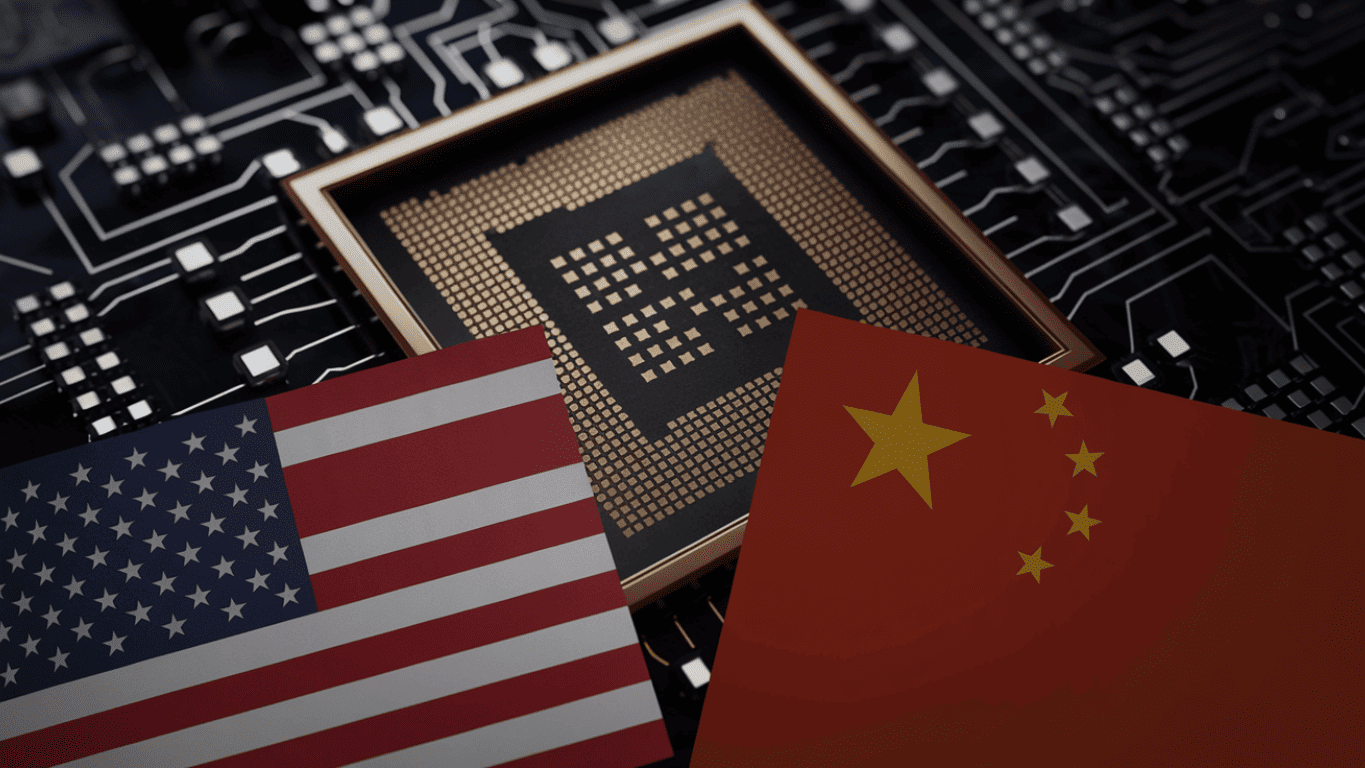
The semiconductor manufacturing sector in China faces a significant threat following the unveiling of a new US bill known as the MATCH Act (Multilateral Technology Controls Coordination Act). This legislation, introduced on April 2, aims to close what US lawmakers describe as the "last loopholes" that have allowed China to continue building its arsenal of chip manufacturing equipment despite prior sanctions.
This move comes at a time when Chinese imports of semiconductor manufacturing equipment have surged dramatically, rising from $10.7 billion in 2016 to a record $51.1 billion last year. Experts believe this massive accumulation of equipment was intended to circumvent imposed sanctions, but the MATCH Act seeks to counter this by preventing essential services.
Details of the Legislation
The bill, spearheaded by Representative Michael Baumgartner and Senator Chuck Schumer, focuses on critical aspects concerning China's production capacity in semiconductors. According to reports from Reuters, the complex manufacturing machines produced by companies like ASML require regular maintenance and continuous software updates. Under the new law, providing these services will become a "legal crime," threatening to turn these billion-dollar machines into non-operational metal blocks once they break down.
Financial analysts predict that these restrictions will sharply impact supply chains, with Dutch company ASML forecasting a decline in China's share of its revenues to just 20% this year, down from over 30% due to these pressures.
Background & Context
This step is part of the United States' efforts to maintain its technological superiority amid increasing competition with China, particularly in the fields of artificial intelligence and advanced technology. Industrial stakeholders in Beijing have regarded this move as "technological terrorism" aimed at dismantling global supply chains, warning that passing the law would mean shifting the technical confrontation from a "sales ban" to a "capacity crippling" phase.
This shift in US policy reflects the rising geopolitical tensions between Washington and Beijing, as both seek to enhance their technological and economic capabilities. In recent years, there has been an escalation in US sanctions against Chinese companies, exacerbating economic crises in the region.
Impact & Consequences
This "technological earthquake" is expected to lead to rising global electronics prices due to manufacturing disruptions in China, coinciding with inflationary pressures stemming from other geopolitical tensions in the region. China is also expected to face a crisis in artificial intelligence chip production, as the law directly aims to deprive Beijing of local production of these chips, forcing it to rely on its current stockpiles, which may deplete as demand increases.
Under these circumstances, Chinese companies may find themselves facing significant challenges in meeting market needs, potentially impacting their competitiveness in global markets.
Regional Significance
The Arab region is indirectly affected by these developments, as many Arab countries rely on technology imported from China. Rising electronics prices may lead to increased production costs across various sectors, impacting local economies.
Moreover, tensions between the United States and China could lead to a reshaping of global supply chains, opening new opportunities for Arab countries to strengthen their trade partnerships with other nations. At the same time, Arab countries must be prepared to face the challenges that may arise from these shifts.
In conclusion, the MATCH Act represents a significant shift in US policy towards China, reflecting the increasing challenges Beijing faces in the technology sector. It requires Arab countries to closely monitor these developments, as they may significantly impact their economic and technological future.