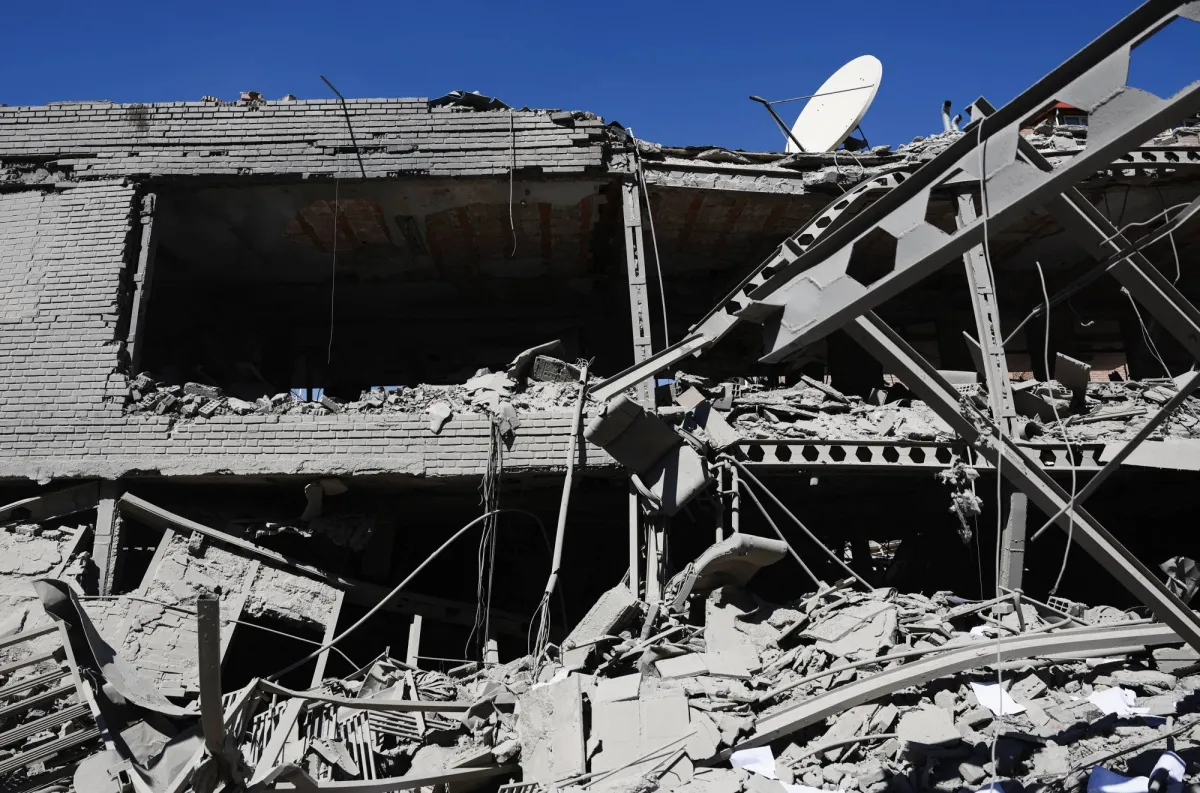
New Zealand Prime Minister Christopher Luxon characterized recent threats from U.S. President Donald Trump against Iranian civilian infrastructure as 'unhelpful.' In statements made to Radio New Zealand, Luxon asserted that additional military maneuvers are unnecessary, urging a focus on preventing the escalation of conflict.
Luxon further stated that any actions involving the bombing of bridges, reservoirs, and civilian infrastructure would be unacceptable. He noted that New Zealand's Foreign Minister Winston Peters would convey a message to his U.S. counterpart Marco Rubio during a scheduled meeting in Washington this week, calling for de-escalation.
Event Details
Luxon's remarks come at a sensitive time, as a Ukrainian intelligence assessment revealed that Russian satellites have conducted several detailed operations to monitor military facilities in the Middle East, reflecting an increasing collaboration between Russia and Iran. The report indicated that these operations aim to support Iran in targeting U.S. forces.
According to the assessment, Russian satellites have performed at least 24 surveys of areas in 11 countries in the Middle East, which included U.S. military targets and other vital sites. These locations have been targeted with Iranian ballistic missiles and drones, indicating a clear pattern of military cooperation between Russia and Iran.
Background & Context
Tensions in the region are escalating as military threats rise, with the United States seeking to bolster its military presence in the Middle East. In contrast, Iran is striving to enhance its military capabilities through cooperation with Russia, complicating the security situation in the region.
Historically, the relationship between the United States and Iran has been marked by ongoing tensions, particularly following Washington's withdrawal from the nuclear agreement in 2018. Since then, mutual threats have escalated, impacting regional stability and exacerbating humanitarian crises.
Impact & Consequences
The U.S. threats indicate the potential for escalating conflict in the region, which could have serious repercussions for both regional and international security. Any military actions could heighten tensions among major powers, threatening stability in the Middle East.
At the same time, the cooperation between Russia and Iran reflects a shift in geopolitical dynamics, as both Moscow and Tehran seek to enhance their influence in the face of U.S. pressures. This collaboration could alter the balance of power in the region and affect the strategies of other nations.
Regional Significance
Arab nations are directly affected by the increasing tensions between the United States and Iran, as they may find themselves in a difficult position between major powers. Additionally, any military escalation could lead to a surge in refugees and increase humanitarian crises in the region.
In conclusion, these events highlight the urgent need for dialogue and diplomacy to avoid military escalation, as peace and stability in the region require collective efforts from all concerned parties.