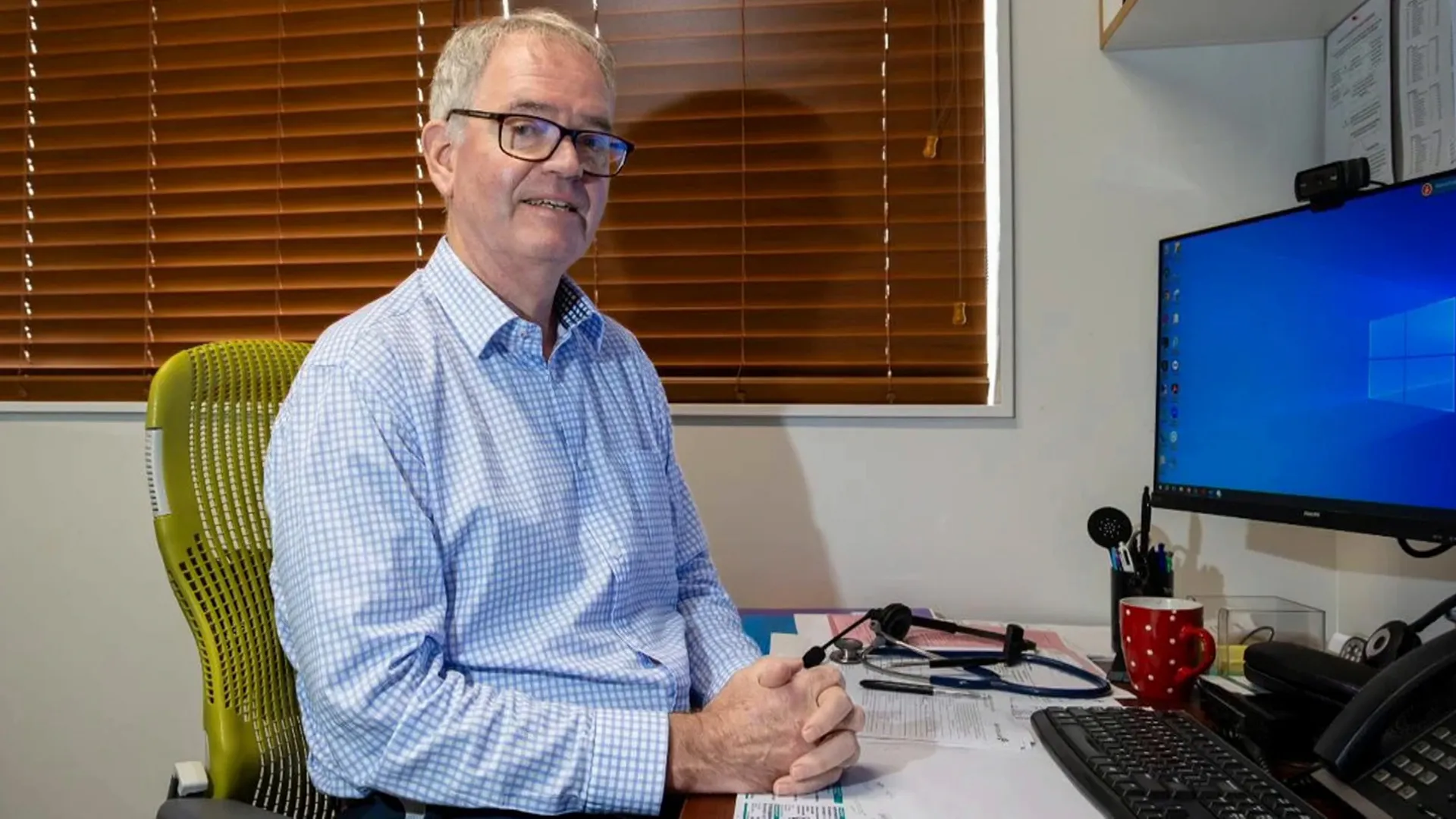
An unconventional bill sent by a New Zealand doctor to the US Embassy in Wellington has generated widespread buzz on social media. The doctor, identified as Shane Dunphy, blamed the United States for the rising fuel prices, which he attributes to the trade war ignited by the US administration.
In his letter, Dunphy demanded that the US Embassy pay what he termed a "consequential bill," giving them a deadline of seven days to settle the amount. He included vouchers distributed to his staff to help them cope with the high transportation costs, indicating that the total amount requested is approximately $1600 USD.
Details of the Event
The doctor urged the business community and the public to follow his initiative and send similar bills to the US Embassy, emphasizing that this step is a form of "accountability for those who ignited the crisis and bear responsibility for it." This initiative has sparked significant engagement among internet users, with some considering it a bold move reflecting citizens' dissatisfaction with the repercussions of US policies.
Despite its geographical distance, New Zealand has been significantly affected by the fallout from the trade war, as it heavily relies on international trade. Disruptions in supply chains and shipping have led to fuel prices in the country exceeding $3 per liter, exacerbating the hardships faced by citizens.
Background & Context
New Zealand is one of the countries suffering from the effects of the trade war between the United States and China, as these disputes impact the prices of essential goods. The New Zealand government has responded to this crisis by announcing a direct support package for approximately 150,000 families, which includes weekly payments of $50, amid a fuel stock that lasts no more than 46 days.
On the global markets front, oil prices have seen a notable increase, surpassing $110 per barrel. This rise is expected to continue unless there is a near-term resolution to the trade crisis, negatively impacting living standards in many countries.
Impact & Consequences
The reactions to the New Zealand doctor's initiative highlight the widespread public dissatisfaction with US policies and their impact on daily life. Many users on social media commented, affirming that rising prices are not limited to fuel alone but also encompass food, medicine, and clothing, raising concerns about the future of the global economy.
Some commentators pointed out the lack of governmental response in many countries, leaving citizens to face this crisis alone. This phenomenon reflects the inability of governments to protect their citizens from the repercussions of foreign policies.
Regional Significance
These events are significant indicators of the global impacts that may reach the Arab region. Many Arab countries are suffering from rising fuel and essential goods prices, increasing economic pressures on citizens.
The engagement of Arab citizens with this issue may reflect their desire to hold major powers accountable for their policies that negatively affect their daily lives. Consequently, this initiative could open the door for further discussions on how to address the repercussions of global economic policies.
In conclusion, the New Zealand doctor's initiative serves as an example of how individuals can use peaceful pressure tactics to express their dissatisfaction with policies affecting their lives, underscoring the importance of public awareness and community participation in confronting economic challenges.