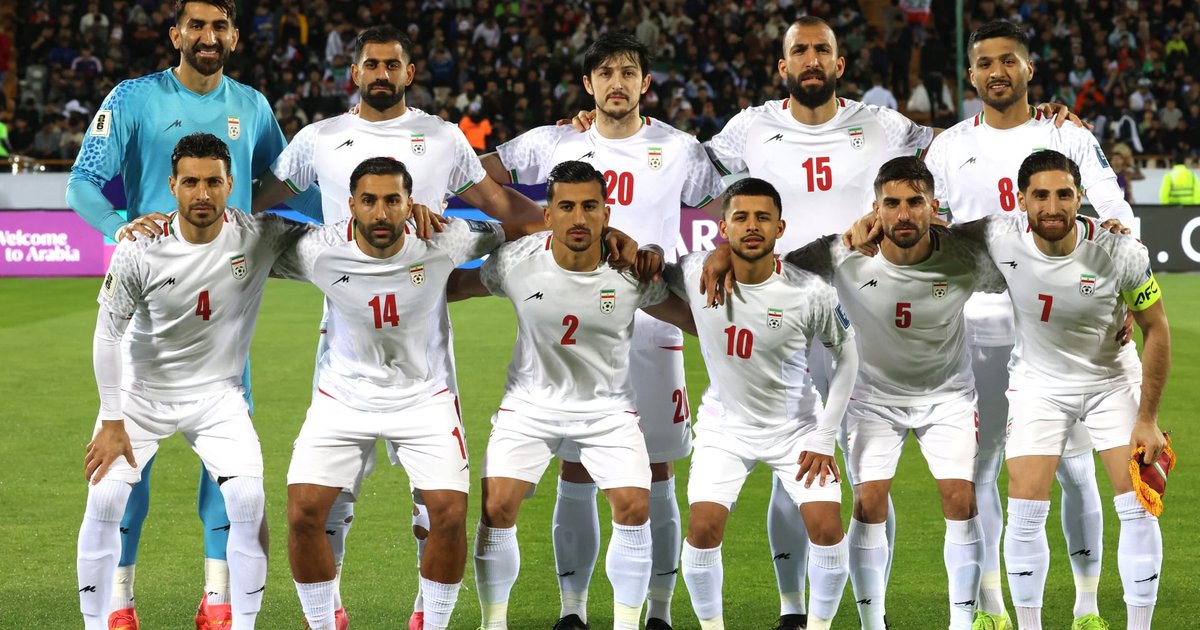
The preparations of the New Zealand national football team for their match against Iran in the 2026 World Cup are becoming complicated due to geopolitical tensions. Players have shown their willingness to play outside the United States if circumstances require it.
Iran's qualification for the finals was not without doubts, especially following the escalation of tensions due to the war waged by the United States and Israel against Iran. Although Iran was one of the first teams to secure its place in the tournament, its participation has become a subject of controversy after the Iranian Football Federation threatened to boycott matches held on American soil.
Match Details and Location
The opening match between Iran and New Zealand is scheduled for June 15 in Los Angeles, where Iran will play all three of its group stage matches within the United States. However, the Iranian federation has threatened to withdraw from the tournament if matches are held in the United States, increasing uncertainty about the match's location.
In this context, New Zealand midfielder Ryan Thomas, who plays professionally in the Netherlands, confirmed that Iran deserves its place in the World Cup, noting that the New Zealand team is prepared to adapt to any changes in the match's location. Thomas stated, "If we have to play against them in Mexico or Canada, we will play there. It’s not a problem for me."
Historical Context and Relations
Historically, relations between Iran and the United States have been marked by ongoing tensions, especially following the Islamic Revolution in 1979. These tensions have significantly affected sports, with Iranian teams being excluded from many international tournaments. With recent events escalating, it has become clear that these tensions may impact Iran's participation in the 2026 World Cup.
Additionally, Mexico's President Claudia Sheinbaum has confirmed her country's readiness to host Iran's matches, opening up new options in case of any changes. However, the final decision regarding any changes in match venues rests with FIFA, which has yet to comment on this matter.
Consequences and Player Impact
The impact of these tensions may extend to players and their families, as New Zealand winger Costa Barbarouses expressed concerns about safety during the match in Los Angeles. However, Barbarouses expressed confidence in the authorities' ability to secure players and their families, emphasizing the importance of the event and the necessity for their families to be present during the tournament.
Ryan Thomas also noted that psychological pressures may exist before the match, but he considered this a natural aspect of any opening match in a major tournament. He assured that the team is ready to face challenges and deliver a strong performance on the field.
Significance for the Arab Region
This event holds significant importance for the Arab region, reflecting the political tensions that affect sports. Iran's participation in the World Cup could enhance its standing on the international stage, despite the challenges it faces. At the same time, these events can highlight the importance of sports as a means of communication between peoples, even amid political crises.
In conclusion, the match between Iran and New Zealand in the 2026 World Cup remains surrounded by many questions, as everyone looks forward to seeing how events will unfold and whether they will affect the match's location.