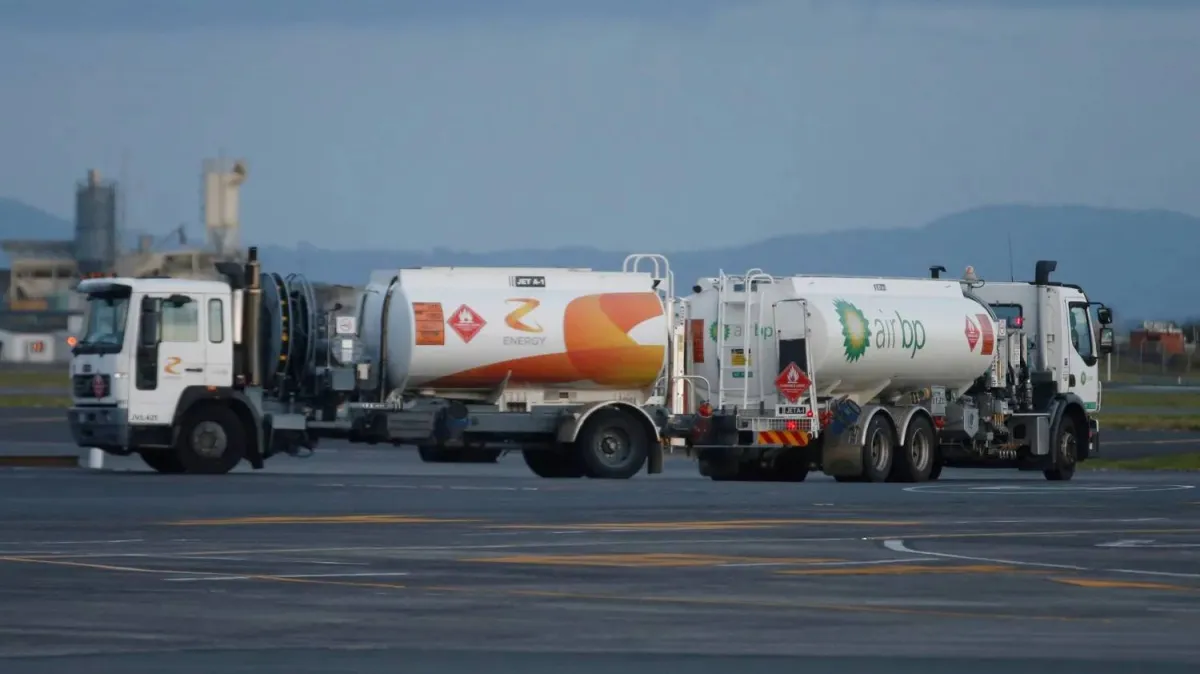
New Zealand is seeking to secure fuel supplies through its available options with the International Energy Agency (IEA) as a precautionary measure against any potential shortages in the future. This was stated by New Zealand Prime Minister Christopher Luxon, who announced at a press conference on Monday in Wellington that the government is considering using the "tickets" available to supply crude oil or refined products that the country may need.
Luxon explained that this strategy may include acquiring gasoline, diesel, or jet fuel, ensuring additional supplies are available by the end of June. He confirmed that the government is working closely with fuel importers to ensure sufficient quantities are provided, in addition to establishing a response plan in case stocks drop to critical levels.
Details of the Initiative
In this context, Luxon highlighted the importance of maximizing flexibility in case the situation deteriorates over the next two months. "What we are doing here is ensuring our ability to find any alternative sources of supply to complement what is already required from fuel importers," he stated. Meanwhile, the government announced that its diesel stock is sufficient for 55 days, while gasoline is enough for 59 days, and jet fuel for 50 days, both within the country and at sea, as of March 25.
Finance Minister Nicola Willis added that the government has received offers from third parties that include proposals to increase supplies, and it is currently conducting an urgent commercial assessment of those proposals. She confirmed that these proposals involve collaborating with external entities to secure additional supplies as a precautionary measure.
Background & Context
These steps come amid increasing geopolitical tensions worldwide, particularly in the Middle East, where events are impacting global energy markets. Oil prices have seen a noticeable rise in recent weeks, increasing the importance of securing fuel supplies for countries that heavily rely on imports.
Historically, New Zealand has depended on importing fuel to meet its needs, making it vulnerable to any fluctuations in the global market. Therefore, taking proactive steps to secure supplies is vital for maintaining the stability of the national economy.
Impact & Consequences
If New Zealand succeeds in securing additional fuel supplies, it could help avoid any potential shortages that might affect vital sectors such as transportation and industry. Furthermore, these steps may enhance the government's ability to address any future crises related to energy markets.
On the other hand, increasing reliance on imports may raise concerns about the sustainability of this strategy in the long term, especially in light of climate change and the push towards renewable energy sources. Thus, a comprehensive plan towards alternative energy sources should be in place.
Regional Significance
Global energy market tensions directly affect Arab countries, which are among the largest oil producers in the world. Any price fluctuations or supply shortages could impact the economies of these nations, necessitating similar proactive measures to secure their supplies.
In light of these circumstances, Arab countries must enhance cooperation among themselves to ensure stability in energy markets and share information regarding stocks and future needs. Being prepared to face any potential crises is essential for maintaining economic growth in the region.
In conclusion, New Zealand's efforts to secure fuel supplies through the International Energy Agency represent an important strategic step, reflecting the growing awareness of the importance of stabilizing energy markets amid changing global conditions.